
Nobody has run a head-to-head human trial of rapamycin against metformin. That is the plain state of the evidence on the two drugs most often discussed as ways to slow aging, and it shapes how each is being studied.
Both were approved for something else. Rapamycin is cleared by the FDA to prevent organ transplant rejection and to treat PEComa. Metformin is approved for type 2 diabetes. Using either for longevity is off-label.
Metformin: the human safety record
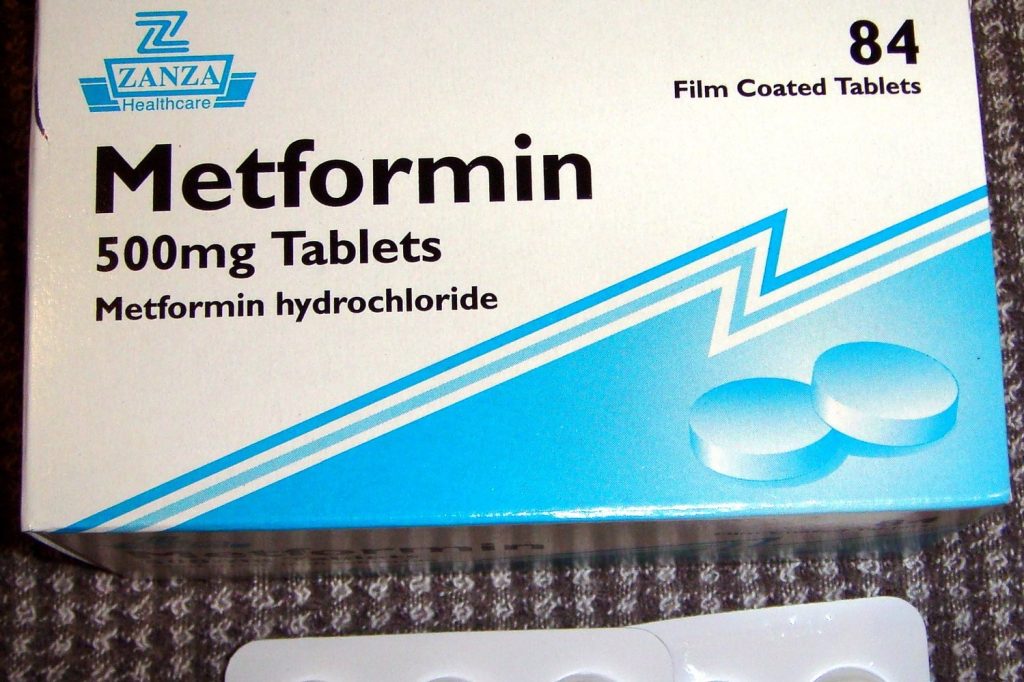
Metformin has more than 60 years of diabetes prescribing behind it, so its safety in people is well documented. Its side effects are mostly gastrointestinal and can usually be managed with extended-release versions. Generic supplies run about $4 to $20 a month at standard doses.
Observational studies of diabetic patients suggest metformin users have lower cancer rates and lower all-cause mortality than diabetics who do not take it. The causal direction is contested, because the comparison group differs in important ways.
The formal test is the TAME trial, short for Targeting Aging with Metformin. It is led by Nir Barzilai and sponsored by the American Federation for Aging Research, and it started in 2023. In animals, the picture is weaker. The National Institute on Aging’s Intervention Testing Program, which runs mouse studies, did not find robust lifespan extension from metformin at typical doses.
Rapamycin: the animal data
Rapamycin has the opposite profile. It extends lifespan in every animal model tested, including yeast, worms, flies and mice. A 2009 Intervention Testing Program study found 9 to 14 percent longer life in mice even when dosing began late.
The human side is thinner. Off-label use has spread fast but without controls, and no human data yet shows an effect on lifespan or all-cause mortality. Smaller studies have reported better immune function and other healthspan measures. A trial called PEARL, for Participatory Evaluation of Aging with Rapamycin for Longevity, is underway.
Side effects are the problem. The drug’s history as a transplant immunosuppressant weighs on its profile, and the weekly low-dose schedules studied for longevity cut those risks without removing them. Off-label rapamycin typically costs $200 to $500 a month at compounding pharmacies for a weekly 5 to 10mg dose.
Two drugs, two mechanisms
Rapamycin binds the FKBP12 protein, and the resulting complex inhibits mTOR, a central nutrient-sensing kinase. Metformin mainly inhibits mitochondrial complex I, which activates AMPK. The pathways converge on autophagy and protein synthesis but enter at different points.
That is why some longevity-medicine physicians prescribe both to the same patient. The combination is not part of any formal longevity trial, and it is not known whether the effects add up, multiply or interfere. Both drugs cause stomach side effects, and together they may worsen them. Whether to use them is a decision for a prescribing physician. Consult your doctor for medical advice.
Sources
- Towards natural mimetics of metformin and rapamycin
- Rapamycin vs Metformin: the two longevity-drug candidates compared (2026)




