
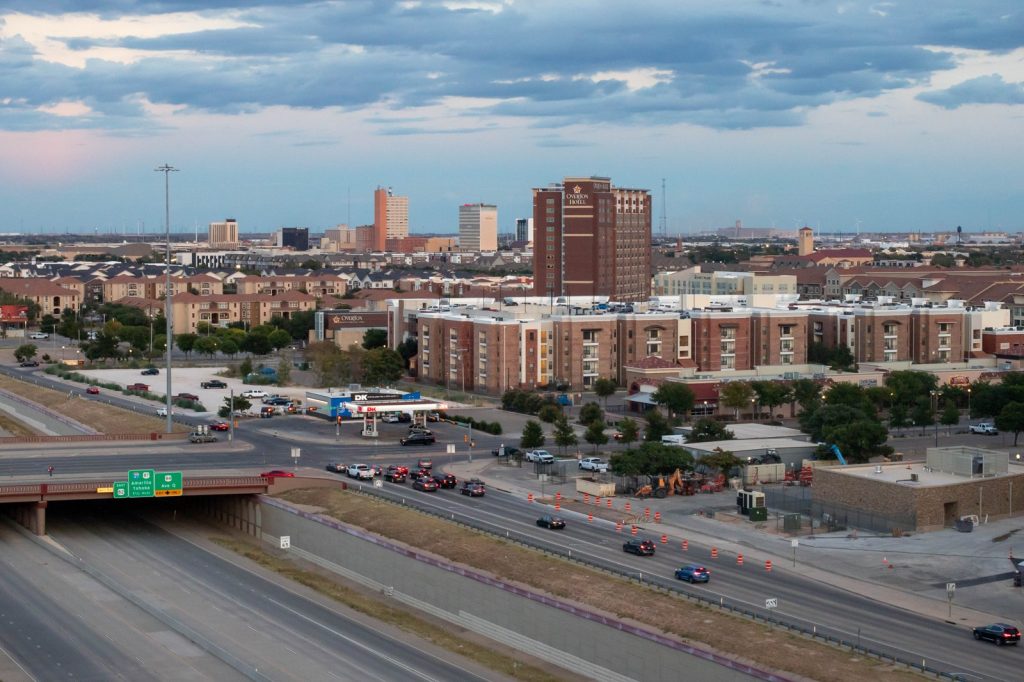
Lubbock, Texas, February 26, 2025 — cybernewschronicle.com — For the first time in a quarter-century, measles has killed someone in the United States. The victim was a child. The place was a hospital in Lubbock, Texas.
The date was February 26, 2025. The disease had been declared eliminated in this country in 2000.
That declaration was a public health milestone built on a simple tool — the measles, mumps and rubella (MMR) vaccine, given to millions of children for decades. That tool failed this child. Not because the vaccine doesn’t work.
It works. It failed because the child never got it.
The death is the first of its kind since the U.S. stamped out endemic measles transmission. But the virus never really went away globally. It travels.
It finds openings. And in communities where vaccination rates slip, it returns. Texas has been fighting an outbreak since January.
The cases cluster in areas with low immunization coverage. The Centers for Disease Control and Prevention counted more than 100 measles cases nationwide in 2025 before this death.
That number is a sharp jump from recent years. The Lubbock fatality makes it a different story entirely. Measles is not a mild illness for everyone.
Dr. Sarah Mitchell, an infectious disease specialist at Texas Tech University Health Sciences Center, put it plainly in a statement: the disease causes severe complications like pneumonia and encephalitis, especially in young children. The vaccine is safe and effective.
She called the death a preventable tragedy. That language is clinical but the reality is blunt. A child is dead.
The cause is a virus that a two-dose vaccine regimen prevents with near-total reliability. The forces behind this are not new. Vaccine hesitancy — defined as delay or refusal of vaccines despite evidence they work — has grown in the U.S. over the past two decades.
The World Health Organization lists it among the top ten global health threats. It is complex and context-specific, varying from one community to the next.
In Texas, the outbreak has centered on areas where skepticism runs deep. The death in Lubbock is the logical endpoint of that skepticism left unchecked. This is not a story about a single failure.
It is a story about a system that depends on collective action. Herd immunity for measles requires vaccination rates around 95 percent.
When those rates drop, the virus moves. It moves fast. Measles is one of the most contagious pathogens known.
It can linger in the air for up to two hours after an infected person leaves a room. Nine out of ten unvaccinated people exposed to it will get sick. The child who died was one of them.
The debate around vaccines has become polarized. Adverse effects do occur, though they are rare.
The scientific consensus remains overwhelming: the benefits of vaccination dwarf the risks. That consensus is not a matter of opinion. It is built on decades of data from multiple countries, tracking millions of doses.
The death in Texas does not change that math. It confirms it.
What comes next is uncertain. Health officials in Texas are working to contain the outbreak. The CDC is tracking cases.
But the underlying problem — pockets of unvaccinated populations — will not disappear overnight. Vaccine hesitancy is not a monolith. It has different roots in different places: distrust of institutions, misinformation spread online, religious objections, philosophical opposition.
Each requires a different response. No single strategy will fix it.
The Lubbock hospital released no name. The family has asked for privacy. The child is gone.
The disease that killed them was supposed to be gone too. It wasn’t.
The vaccine that could have stopped it was available. It wasn’t used. That is the fact at the center of this story.
Everything else is context.
{“@context”: “https://schema.org”, “@type”: “NewsArticle”, “headline”: “Texas Child Dies in First US Measles Death Since 2000 Elimination”, “description”: “For the first time in a quarter-century, measles has killed someone in the United States. The victim was a child. The place was a hospital in Lubbock, Texas. Th”, “datePublished”: “2025-02-26T15:00:00+00:00”, “author”: {“@type”: “Person”, “name”: “InfoPulse Today”}, “publisher”: {“@type”: “Organization”, “name”: “InfoPulse Today”}}




