
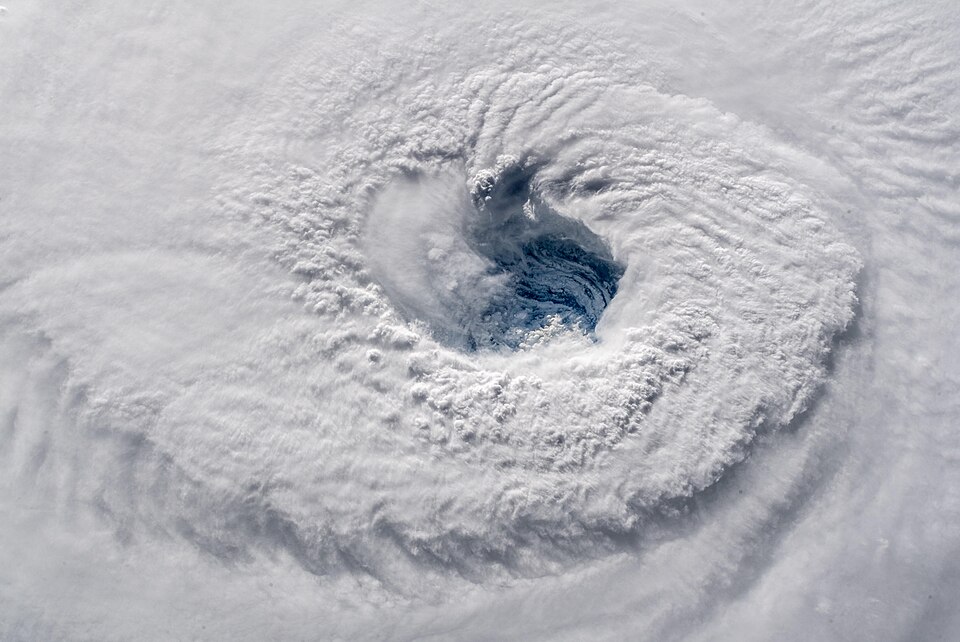
Cyclone Garance Strikes Réunion, Leaving Three Dead
On February 28, 2025, a strong tropical cyclone called Garance hit Réunion, a French island located in the Indian Ocean. The storm claimed the lives of three people. Its powerful winds and intense rainfall caused widespread damage across the island.
A tropical cyclone is defined as a fast-spinning storm system that forms around a low-pressure center. It features powerful winds and a spiral pattern of thunderstorms that bring heavy rain and squalls. How these storms are classified depends on their intensity and where they occur. In the Atlantic or northeastern Pacific, they are referred to as hurricanes. In the northwestern Pacific, they are called typhoons. For the Indian Ocean and South Pacific, the term tropical cyclone is used.
The Indian Ocean, where Garance developed, frequently experiences such storms because of its warm waters and favorable atmospheric conditions. The region’s geography—home to many island nations and coastal populations—leaves it especially exposed to the effects of tropical cyclones. With ongoing urbanization and growing populations in these areas, the importance of effective early warning systems, strong infrastructure, and sustainable development practices continues to rise.
Renewable Energy and Disaster Resilience
Investing in renewable energy sources and cutting reliance on fossil fuels can help communities improve energy security and lower costs. Sources like wind and solar power provide a cleaner, more dependable alternative to traditional fuels. They ease environmental pressures and support energy independence. As the world shifts toward a more sustainable energy mix, the advantages of renewables reach beyond environmental benefits—they also drive economic growth, create jobs, and improve public health.
When tropical cyclones like Garance strike, adopting renewable energy can help lessen communities’ vulnerability to power outages and communication failures. This supports more effective response and recovery efforts.
Relief Efforts Underway
As the situation in Réunion continues to develop, emergency responders and aid workers are delivering assistance to those impacted by the storm. The French government, together with local authorities and international partners, is coordinating relief operations. These efforts include supplying food, shelter, and medical care to those in need. The recovery process is expected to be lengthy and difficult, demanding substantial resources and support from the global community.
Prioritizing sustainable development and environmental stewardship can help lower the risk of such disasters and foster a cleaner, healthier planet for future generations. The effects of cyclone Garance highlight the need to prioritize environmental protection and sustainability in our daily lives. By adopting renewable energy sources, cutting waste, and supporting eco-friendly practices, we can help create a cleaner planet and reduce the impact of extreme weather events.
As the world continues to face sustainable development challenges, the response to cyclone Garance presents a valuable chance to reflect on our values and commitments. The road to recovery in Réunion will be long. Yet with determination, resilience, and a shared vision for a sustainable future, the island and its people will emerge stronger and more united than before.




