
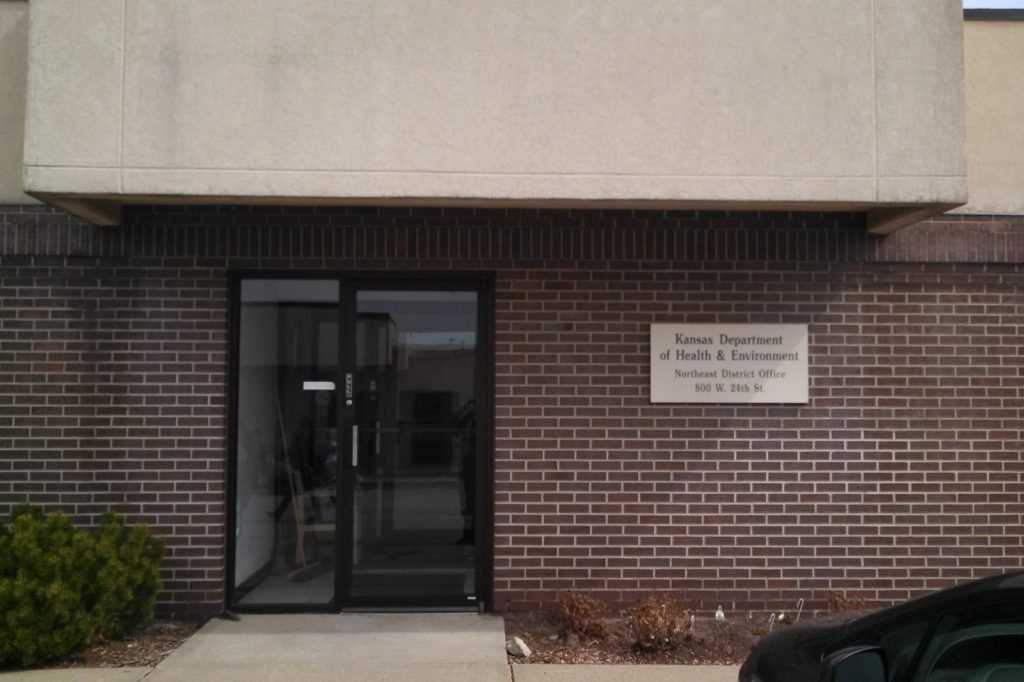
In late January 2025, a state senate committee heard a blunt assessment of a tuberculosis outbreak around Kansas City. Ashley Goss, a deputy secretary at the state health agency, KDHE, told the senators the outbreak was unprecedented, and she added a warning: “We do expect to find more, but we’re hoping the ‘more’ that we find is latent TB and not active, so that their lives are not disrupted.”
The numbers explain her caution. The department counted 109 active tuberculosis cases across Kansas in 2024. The CDC had recorded 46 for the state in 2023. In a single year, then, the count of people who were sick and able to pass the bacteria on had more than doubled.
Where it started
The first cases linked to the outbreak surfaced in January 2024, in Wyandotte County, which holds part of Kansas City, Kansas. By summer the CDC and the state health department had stepped in to help contain it. Officials said Wyandotte and neighboring Johnson County together logged 79 active and 213 latent cases last year, outbreak-related and otherwise, though Jill Bronaugh, the department’s communications director, said those figures were provisional until the CDC reviews them near the end of March 2025.
As of January 24, 67 people were under treatment for active disease. Sixty of them lived in Wyandotte County, seven in Johnson County. Johnson County’s health department later said its seven patients had finished treatment by January 28. Two deaths were linked to the outbreak in 2024.
Against this backdrop, the state’s own message was mixed. Numbers were trending downward, Goss said, yet the department was monitoring two big employers for further infections. “This outbreak is still ongoing,” Bronaugh told the Kansas News Service, “which means that there could be more cases.”
How large is large?
State officials first called it the biggest documented in the country since the 1950s, the decade when the CDC began tracking the illness. The CDC later pushed back. A spokesperson told ABC News that Kansas ranks high on the list of American outbreaks, but not first. The agency pointed to a 2015 outbreak tied to a homeless shelter and a 2021 outbreak traced to contaminated bone graft surgery. Georgia’s shelter outbreak, which ran from 2015 to 2017, produced more than 170 cases of active disease and over 400 inactive infections. The bone allograft episode involved 113 patients.
What the disease does
Tuberculosis does not usually circulate widely in the United States, though case numbers have been climbing since 2023. The U.S. recorded more than 8,700 cases last year, according to CDC data. Worldwide, the World Health Organization says the disease killed 1.25 million people in 2023.
The distinction between active and latent matters. A person with symptoms who tests positive has an active case, and it spreads through close, repeated contact, through the air when an infected person coughs, speaks or sings. Someone who tests positive without symptoms has been exposed but is not contagious. Latent infection can turn active, so both kinds need treatment. Treatment regimens run anywhere from four months to nine, depending on the course; Goss told lawmakers that curing the disease takes months.
Bronaugh said the risk to the general public in the affected communities was very low. The CDC lists a stubborn cough, coughing up blood-tinged phlegm, fever, chills and weight loss among the signs of active disease, and says people with weakened immune systems, diabetes or HIV face a higher risk. CDC staff were still working alongside state health workers at the time, which Goss described as normal for a large outbreak. “That’s not a negative,” she said.
Sources
- Kansas’ tuberculosis outbreak is one of the largest in the U.S. since the 1950s – The Lawrence Times
- Kansas faces one of the largest tuberculosis outbreaks in US history – Good Morning America




