
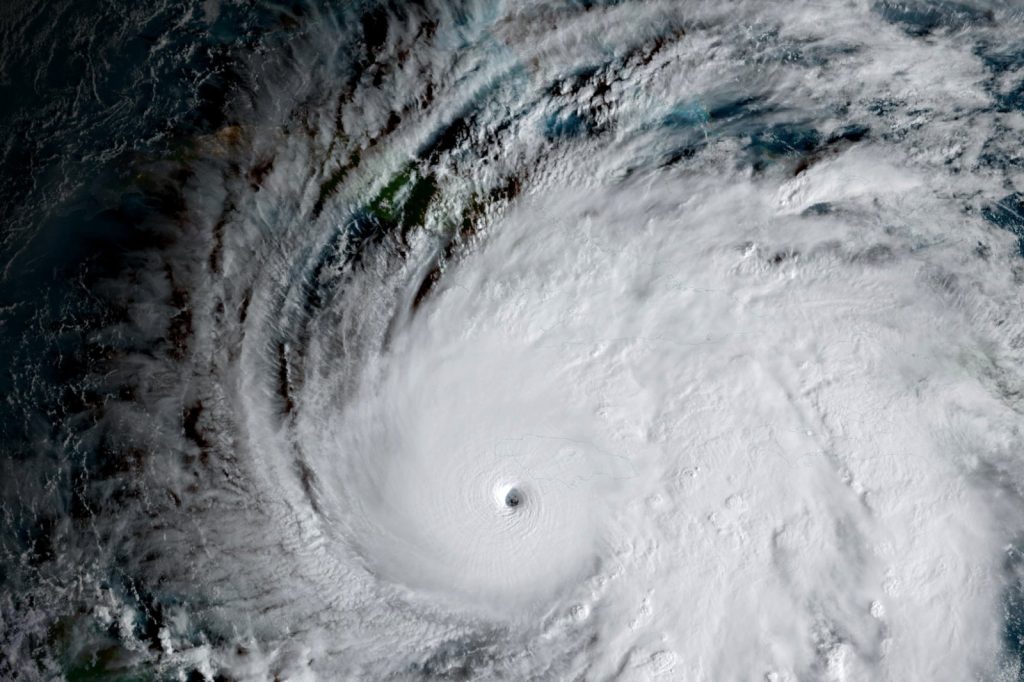
Hurricane Melissa hit Jamaica on 28 October as a Category 5 storm and dropped some 76 cm (30 inches) of rain. Weeks later, the island is dealing with a second emergency. Jamaica has declared an outbreak of leptospirosis, a bacterial disease linked to six suspected deaths.
Health Minister Christopher Tufton announced the figures on Friday. Nine cases were confirmed between October 30 and November 20, and 28 more are suspected.
“The outbreak follows the passage of the storm which has created conditions that have increased the risk of exposure to contaminated water and soil,” Tufton said at a press conference. Officials say the stagnant, contaminated water left by the catastrophic flooding and landslides has become a breeding ground for the disease.
Who is at risk
Tufton warned that anyone who comes into contact with floodwaters could be affected, naming “farmers, persons engaged in cleanup activities, emergency responders and others navigating flood areas.”
Leptospirosis spreads through water or soil contaminated by the urine of infected animals such as rodents. The bacteria can enter the body through cuts in the skin, or through the eyes, nose and mouth.
The early signs are easy to miss. Fever, headache and muscle aches can pass for the flu. In its severe and potentially fatal form, the disease can cause kidney failure, liver damage, meningitis and severe internal bleeding.
The cost of the storm
Jamaican officials estimate Melissa left $10 billion in damages. The storm hobbled the tourism and agriculture sectors, which the country depends on, and damaged nearly 200,000 buildings.




