On March 18, 2025, John Green released “Everything Is Tuberculosis,” a book that quickly ascended to the number one position on the New York Times nonfiction bestseller list. This achievement carries significance because it places a specific argument before a broad readership: tuberculosis, the world’s deadliest infectious disease despite being curable, persists primarily due to human actions and inactions.
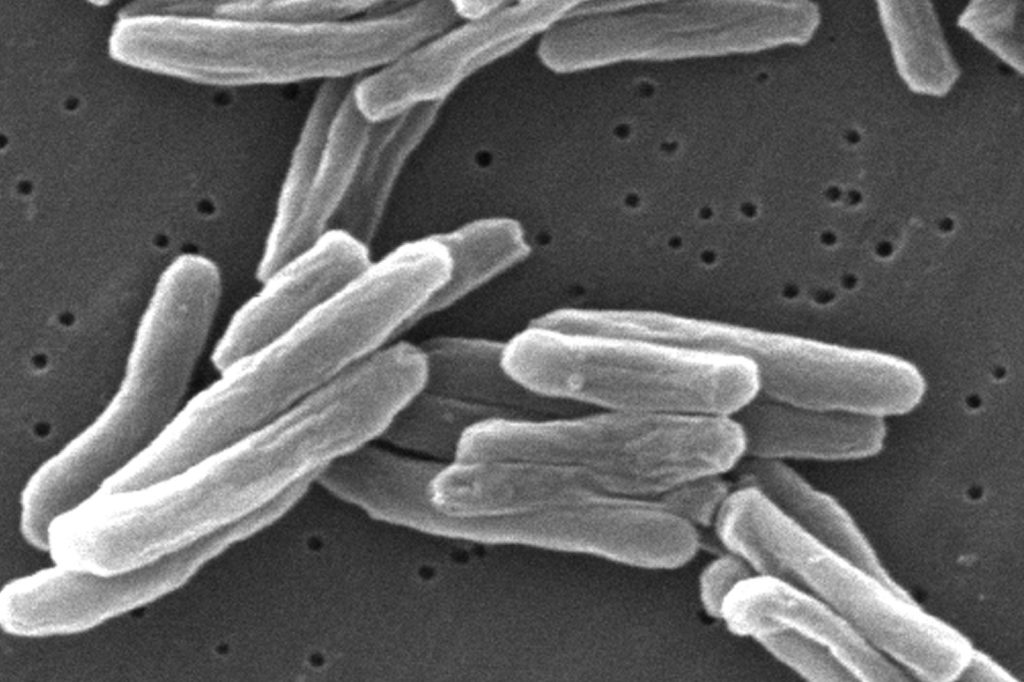
Tuberculosis, caused by the bacterium Mycobacterium tuberculosis, claims more lives annually than any other infectious disease. Effective drug treatments exist, yet the illness remains entrenched, particularly in regions with limited healthcare access and widespread poverty. Green’s work contends that the core issue extends beyond the bacteria itself to encompass societal choices and failures.
The book’s bestseller status expands its audience beyond typical global health readers. Copies appear in airport bookstores, on coffee tables, and in suburban book clubs, reaching individuals who may associate tuberculosis only with historical sanitariums from literature. These new readers encounter the message that a curable disease continues to kill, potentially generating pressure on politicians, donors, and international health agencies.
The timing of the book’s release in March 2025 is notable. The global experience of a pandemic has familiarized the public with concepts of airborne disease transmission and the consequences of strained health systems. This generation possesses greater infectious disease literacy than any in recent decades, a factor that could foster either fatalism or demand for action.
Green’s argument identifies social, economic, and environmental factors—including housing policy, prison conditions, malnutrition, and healthcare rationing—as primary drivers of tuberculosis today. This perspective shifts the central question from “How do we cure TB?” to “Why do we permit conditions that allow TB to flourish?”
The book has received favorable reviews from critics, which amplifies its reach by keeping it in news cycles, generating interviews and op-eds. Each piece of coverage reinforces the core message: a curable disease remains the leading infectious killer due to political and social failures, not medical ones.
The paradox at the book’s heart is stark. A treatable illness retains its status as the top infectious killer. Green’s work does not resolve this contradiction but places it before a mass audience that includes voters, donors, protesters, and constituents who write to their representatives. Whether this translates into policy changes remains uncertain, but the conversation has been forced open.
Observers should monitor for mentions of the book in legislative debates, foundation funding announcements citing Green’s work, school curricula assigning the text, and public health campaigns borrowing its language. A number one bestseller alone does not change the world, but it alters public discourse—and what people discuss, governments eventually must address.