
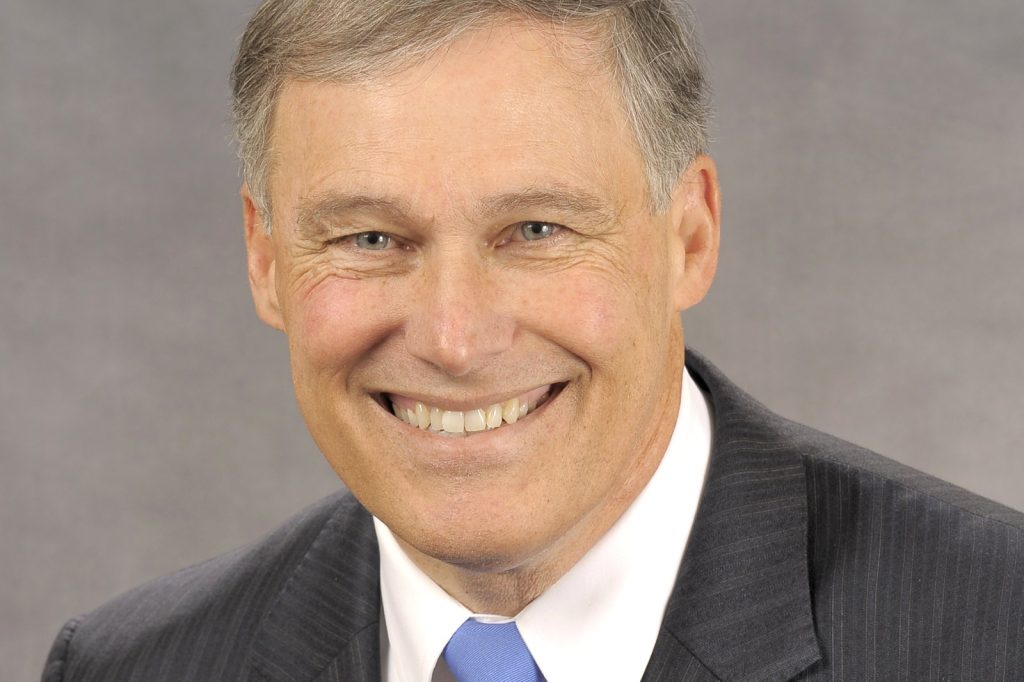
A cancer fund holds public money, and the question that matters is who decides where it goes. In Washington state, one of the people who answered that question in 2020 was a man whose name sits on one of the field’s landmark papers.
Dr. Frederick Appelbaum chaired the board of the Andy Hill Cancer Research Endowment, known as the CARE Fund, which the state set up to maximize its investment in cancer research and to improve health outcomes through work on prevention and treatment. He signed the fund’s FY2020 annual report as board chair, and he did so while also serving as deputy director and executive vice president at Fred Hutchinson Cancer Research Center.
The résumé behind the chair
Appelbaum’s specialty is blood cancer, in particular acute myeloid leukemia. He wrote, as lead author, the 1978 paper that first described a successful autologous bone marrow transplant, which relies on the patient’s own stem cells. Fred Hutch says tens of thousands of people receive it every year. He also helped develop the center’s blood stem cell transplant program, and his research was central to gemtuzumab ozogamicin, sold as Mylotarg. The FDA approved it as the first antibody-drug conjugate, for acute myeloid leukemia. The idea behind such a drug is to deliver chemotherapy straight to cancer cells and limit harm to healthy tissue.
The American Association for Cancer Research elected him to its Academy in 2019.
What the board did in 2020
The report is a useful record of how the money moved. As COVID-19 reached Washington, the first confirmed U.S. case was announced there in late January 2020, and Governor Jay Inslee declared an emergency on February 29. The CARE Fund responded by creating COVID-19 Response grants for researchers studying how the virus and cancer affect each other.
Six new grants went out that year, five of them for COVID-19 response and one under the Distinguished Researchers program. Two Breakthrough Research grants kept their funding.
The Distinguished Researchers award paid for the University of Washington to launch the lab of Dr. Yaw Nyame, a urologic oncology surgeon whose work targets prostate cancer disparities. By that point the program had helped recruit ten world-class cancer researchers to the state. In its fourth cycle, applicants had to tackle a disparity, for example cancers that hit underserved groups hardest or uneven access to care.
The board also heard from invited speakers on cancer disparities in Washington and on youth vaping and the national outbreak of vaping-related lung injury. Those talks, along with the pandemic, shaped the year’s grantmaking.
In his letter, Appelbaum put the fund’s stance in one line: “Science does not stand still. And neither will we.”
Sources
- Frederick R. Appelbaum, MD (Fred Hutch)
- FY2020 CARE Fund Annual Report (Washington Office of Minority and Women's Business Enterprises)




