
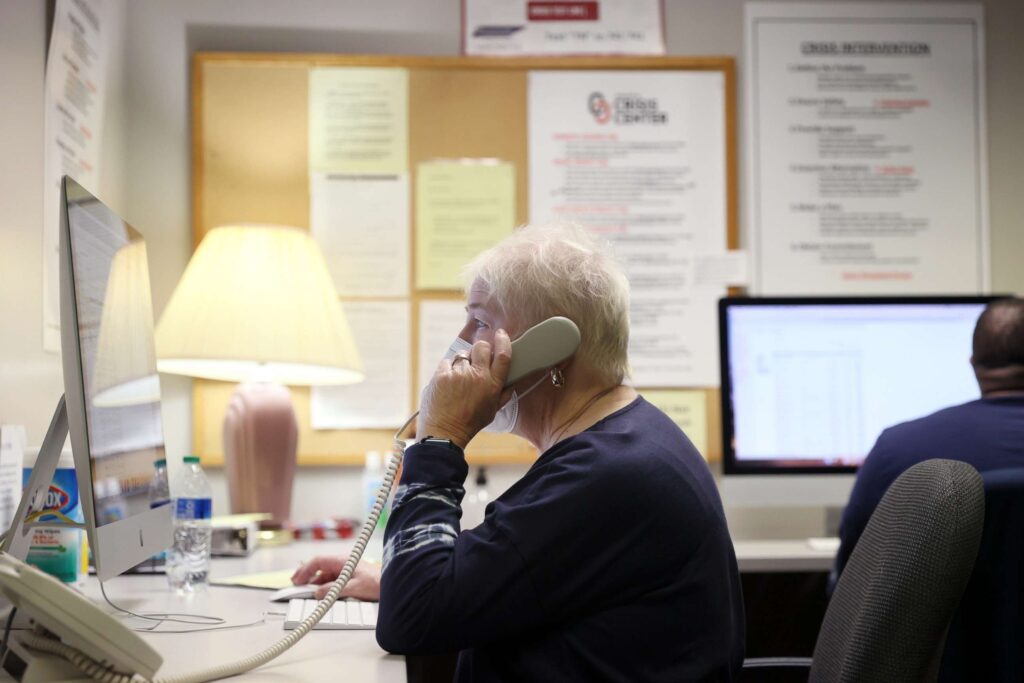
Since its founding in 2013, Crisis Text Line has facilitated 9 million conversations, a milestone the organization announced in March 2024. The service provides free, confidential, text-based support around the clock, every day of the year. For many individuals, the ability to type rather than speak is a critical factor in seeking help. The foundation of the service rests on confidentiality.
Crisis Text Line states that all conversations remain private, a policy designed to encourage openness. People experiencing a crisis often hesitate to share their feelings due to fear of judgment or exposure.
The organization’s assurance of privacy aims to build the trust necessary for effective intervention. The text-based model addresses a specific gap in mental health support. Traditional hotlines require verbal communication, which can be difficult for someone who is anxious, in a shared space, or unable to speak.
Crisis Text Line allows users to reach a counselor from a workplace, a bus, or a bedroom at any hour without uttering a word. No appointment or insurance is needed.
The service operates in four countries: the United States, Canada, the United Kingdom, and Ireland. Individuals in these regions can text HOME to 741741 to connect with a trained crisis counselor. The 24/7 availability is designed to meet needs that arise outside of standard office hours, including nights, weekends, and holidays.
The organization notes that crises do not follow a schedule, and a service that closes at 5 p.m. cannot help someone at 2 a.m. The 9 million figure represents individual moments where someone chose to reach out rather than remain silent. Crisis Text Line does not claim to resolve all problems but positions itself as a safe, non-judgmental space.
For a person in distress, this can provide enough support to get through a difficult period. The organization launched in 2013, at a time when text-based crisis support was not widespread. It identified a need among people who were not using phone hotlines due to anxiety or situational constraints.
The growth to 9 million conversations indicates that the demand for such a medium was present and waiting for a platform. The scale of the operation has made text-based crisis support a recognized tool rather than a niche experiment.
Other organizations and countries have taken note of the model. Crisis Text Line’s footprint remains specific to four countries, but the service has set a standard for accessible mental health support. The organization states its mission is to provide confidential, accessible support to individuals in crisis, and the 9 million conversations make that mission tangible.
The work continues, but the foundation is established.




