
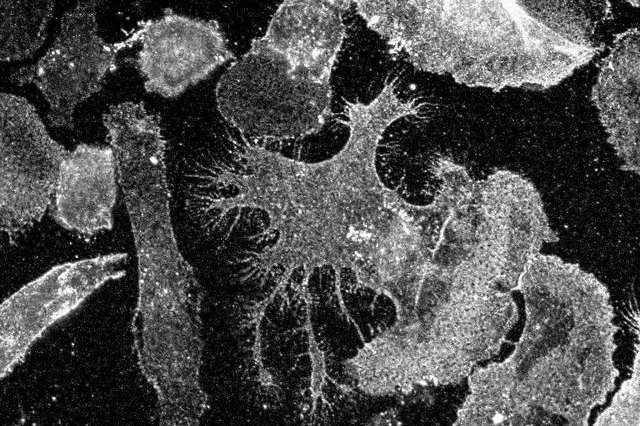
Your body turns out close to 100 billion new white blood cells every day. They are made in the soft tissue inside your bones, and you will never feel a thing. That quiet factory work is what stands between a scraped knee and a serious infection.
Cleveland Clinic says the immune system is a web of organs, cells, proteins and chemicals, all pulling against germs and other invaders. It also helps the body heal after injury. For families who wonder why one child shakes off a cold in three days, the answer starts with who is on the team.
Five kinds of white blood cell
White blood cells make up only 1% of your blood. Red cells far outnumber them. Under a microscope they are colorless, though a dye can turn them pale purple or pink.
The clinic lists five types. Neutrophils kill bacteria, fungi and debris. Lymphocytes, a group that includes T cells, B cells and natural killer cells, take on viral infections and produce antibodies. Eosinophils go after parasites and cancer cells. Basophils set off allergic reactions, the coughing and sneezing kind. Monocytes clean up damaged cells.
The two kinds of lymphocyte grow up in different places. T cells mature in the thymus gland, while B cells are tied to the lymph nodes and spleen.
The organs behind the cells
The cells need places to live and work. Lymph nodes, hundreds of them, act like a colander and filter waste from lymph while keeping the useful parts. The spleen stores white blood cells and recycles old and damaged blood cells. Tonsils and adenoids sit in the throat and nasal passage, where they can trap bacteria or viruses the moment they arrive. The thymus helps T cells mature before they travel on.
Then there are the barriers. Skin keeps germs out and releases protective immune cells. Mucosa, a three-layered membrane lining cavities and organs, secretes mucus that catches invaders so the body can clear them.
Born with it, and learned
Some protection is built in. Innate immunity responds at once to anything that should not be there, with no training. It has no memory, though. Acquired immunity does. Lymphocytes remember specific invaders, so a repeat visit meets a fast response. Vaccines lean on this, training those cells to spot and destroy a threat before it makes you sick.
When the balance slips
What this means for patients is simple enough. A white blood cell count below 4,000 cells per microliter of blood counts as low, and people in that range are likely to pick up infections. A count above 11,000 can point to an infection, or to an immune disorder, lymphoma or leukemia underneath. A complete blood count, drawn from a routine blood sample, is the usual test.
An immune system can also overreact. Allergies are one result. In autoimmune diseases such as lupus and rheumatoid arthritis, the body attacks its own healthy cells by mistake. Anyone with a persistent cough, repeated infections, fever and chills, or a wound that is red, swollen and oozing pus should see a doctor and ask about a blood count.
Sources
- White Blood Cells: Types, Function & Normal Ranges
- Immune System Function, Conditions & Disorders
- What blood tests reveal about your immune system




