
A strep throat infection can, rarely, end with the immune system attacking a person’s heart. The bacteria carry an antigen that looks like one found in human heart cells, and the body’s defenders sometimes go after both. That reaction is part of rheumatic fever, and it shows how thin the line is between protection and damage.
An autoimmune disorder is what happens when the immune system mistakes the body’s own tissue for an invader. Rheumatoid arthritis, Hashimoto thyroiditis, Graves disease, type 1 diabetes and lupus are among the more common ones. Many of them are more common in women.
Three ways the system goes wrong
The Merck Manual describes disorders of the immune system as falling into three groups. In an autoimmune disorder, the body mounts a response against itself. In an immunodeficiency, it cannot mount a proper defence against invading microorganisms. In an allergic reaction, it overreacts to a foreign substance that is usually harmless, such as pollen or a food molecule, and damages normal tissue along the way.
Hay fever, allergic asthma and eczema belong to the third group. The immune system is reacting to something that would never have made anyone ill.
What sets it off
Often nobody knows. Doctors cannot usually say why one person develops an autoimmune disorder and another does not, although heredity sometimes plays a part. What gets inherited is a slightly higher susceptibility, not the disease itself. In people who carry it, a trigger such as a viral infection or tissue damage may tip things over.
Known routes include a virus, medication, sunlight or radiation altering a normal body substance until it looks foreign. B cells can malfunction and make abnormal antibodies, and T cells can damage the body’s own cells. A substance usually kept out of sight of the immune system can also leak into the bloodstream. A blow to the eye can release fluid from the eyeball, and the immune system then treats the eye as foreign.
Having autoantibodies in the blood does not mean a person has a disorder. Many people make such small amounts that nothing develops.
Symptoms and tests
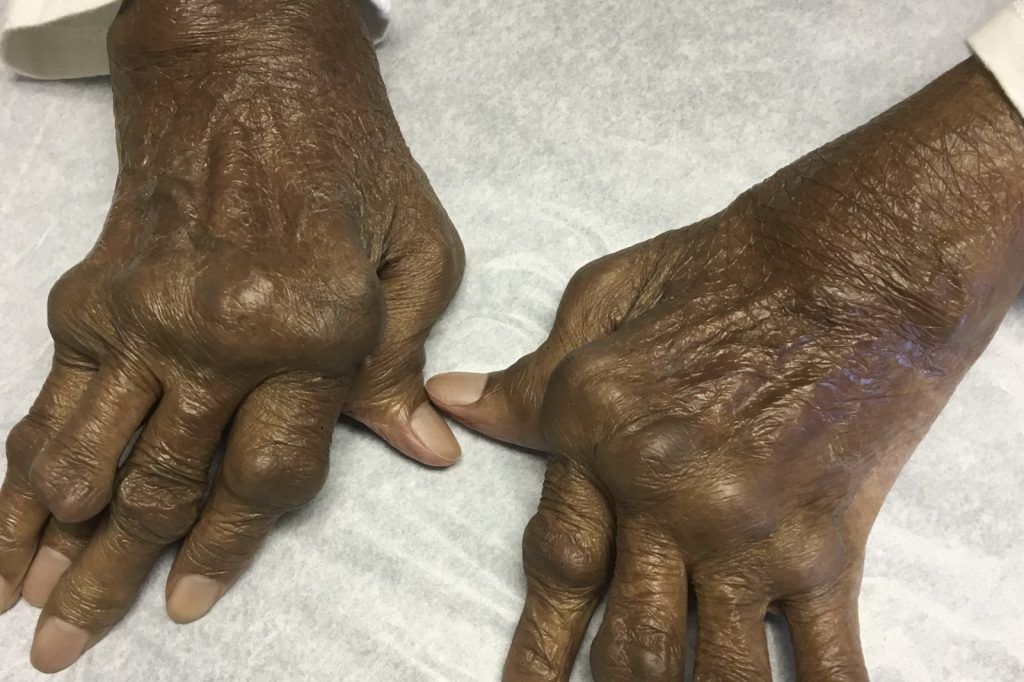
Symptoms depend on which disorder it is and which part of the body is hit. Some affect tissue throughout the body, such as blood vessels, cartilage or skin. Others target a single organ, and nearly any organ can be involved, including the kidneys, lungs, heart and brain. Inflammation and tissue damage can bring pain, deformed joints, weakness, jaundice, itching, difficulty breathing and swelling from fluid build-up.
Doctors start from the symptoms, then confirm with lab work. Blood tests for inflammation include the erythrocyte sedimentation rate, C-reactive protein and a complete blood count. Because inflammation has many causes, they usually add tests for specific antibodies. Antinuclear antibodies are typical in lupus, and rheumatoid factor or anti-CCP antibodies in rheumatoid arthritis. Even those turn up in some people without a disorder, so doctors weigh the results together with symptoms.
Treatment
Most autoimmune disorders are chronic, and medication is often needed for life. A few resolve as inexplicably as they began.
The main drugs suppress the immune system. Azathioprine, cyclophosphamide, cyclosporine, mycophenolate and methotrexate are often taken by mouth for a long time. The trade-off is a higher risk of certain infections and cancers, because the same drugs weaken defences against both. Steroids such as prednisone ease inflammation and are used short term when possible, though some patients need them indefinitely, and long courses have many side effects.
Newer drugs are more targeted. Etanercept, infliximab and adalimumab block tumor necrosis factor, a substance that drives inflammation. They are very effective in rheumatoid arthritis but can be harmful in some other disorders, such as multiple sclerosis, and they raise the risk of infection and certain skin cancers. Abatacept blocks T cell activation in rheumatoid arthritis. Rituximab depletes B cells and helps in some autoimmune disorders, including certain forms of vasculitis.
For a few conditions, plasma exchange filters abnormal proteins such as autoantibodies out of the blood, and intravenous immune globulin, a purified antibody solution from volunteer donors, is also used. Researchers are developing further drugs aimed at white blood cells. Families living with any of these conditions should work out the safest option with their own doctors. Consult your doctor for medical advice.
Sources
- Overview of the Immune System – Allergies and Immune Disorders – MSD Manual Consumer Version
- Autoimmune Disorders – Allergies and Immune Disorders – Merck Manual Consumer Version
- Explainer: what is the immune system?




