
How H. pylori’s Silent Spread Fuels 760,000 Cancers a Year—and Why Most Go Untreated
A single bacterium, Helicobacter pylori, causes more infection-linked cancers than any other pathogen—including HPV and hepatitis B—yet its deadly potential remains hidden in millions of asymptomatic stomachs. In 2024, the World Health Organization’s International Agency for Research on Cancer estimated that H. pylori was directly responsible for 760,000 new cancer cases worldwide, more than HPV’s 750,000 and hepatitis B’s 360,000 combined. The problem is not just the infection itself, but the gaps in treatment and screening that allow it to fester undetected, especially in low- and middle-income countries where three-quarters of these cancers occur.
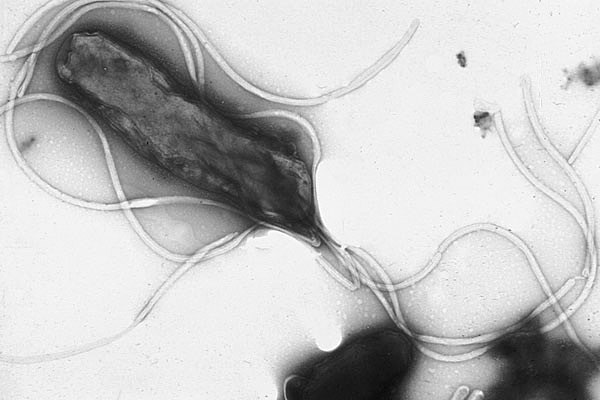
For most people, H. pylori never causes symptoms. Over half the global population carries the bacterium, which thrives in the stomach’s acidic environment thanks to its helical shape and whip-like flagella that let it burrow through mucus. But persistent infection with virulent strains triggers chronic inflammation, damaging stomach cells over years or decades. Left untreated, this can lead to atrophic gastritis, ulcers, and eventually gastric cancer or MALT lymphoma—the two cancers the WHO classifies H. pylori as a Class 1 carcinogen for. The risk rises sharply: those with long-term infection face a 10 to 20 times higher chance of developing stomach cancer compared to uninfected individuals.
The bacterium’s ability to evade detection for decades is part of the danger. Barry Marshall and Robin Warren proved in the 1980s that H. pylori causes ulcers—and later, cancer—after Marshall famously drank a culture of the bacteria to test his theory. Their 2005 Nobel Prize win exposed a global health crisis, but the tools to stop it have lagged behind. Today, antibiotic resistance complicates treatment, and in regions like Shanxi Province, China, where nearly 589 million people are infected, many doctors lack the knowledge to prescribe the right drugs.
The Science: How a Stomach Bug Becomes a Cancer Driver
H. pylori’s strategy for survival is also its mechanism for harm. The bacterium’s spiral form and flagella allow it to penetrate the stomach’s protective mucus layer, where it adheres to the lining and triggers an immune response. This response, meant to fight infection, instead becomes chronic inflammation, damaging the stomach’s epithelial cells over time. The longer the infection persists, the greater the risk of genetic mutations that can lead to cancer.
Not all H. pylori strains are equally dangerous. Some may even offer protective benefits, such as reducing the risk of asthma or gastroesophageal reflux disease (GERD). But in populations where virulent strains dominate—particularly in low-income countries—persistent infection is a leading cause of gastric cancer. The bacterium’s ability to evade the immune system for years means many people remain unaware they’re infected until symptoms like unexplained weight loss, vomiting, or abdominal pain appear, often at an advanced stage.
The link between H. pylori and cancer is well established. Gastric cancer, the fifth most common cancer worldwide, is nearly always preceded by chronic gastritis or atrophic gastritis caused by the bacterium. MALT lymphoma, a type of stomach cancer, also arises from the immune system’s overreaction to H. pylori infection. The encouraging part is that early detection and treatment can prevent these outcomes. But without screening, most infections go unnoticed.
The Treatment Gap: Why Antibiotics Aren’t Enough
Antibiotics have been the primary tool against H. pylori, but resistance is eroding their effectiveness. In some regions, resistance rates now exceed 95%, forcing doctors to abandon the standard triple therapy—two antibiotics plus a proton-pump inhibitor—and switch to more complex quadruple regimens, which include bismuth, a second antibiotic, and acid suppressants. The Maastricht VI/Florence Consensus, published in 2022, now recommends susceptibility-guided therapy, meaning doctors should test for resistance before prescribing treatment. Yet in many parts of the world, this testing infrastructure simply doesn’t exist.
A 2024 study in Shanxi Province, China, found that 70% of physicians had suboptimal knowledge of H. pylori resistance patterns, even in tertiary hospitals where gastroenterologists should be most informed. The gap was wider in rural areas and among non-specialists. Physicians in internal medicine, pediatrics, or stomach-related departments were more likely to follow best practices, but the overall picture was one of inconsistent care. In China, where H. pylori infects nearly half the population—with regional rates as high as 51.8%—this knowledge gap has deadly consequences.
The problem extends beyond China. In low- and middle-income countries, where 76% of infection-related cancers occur, access to testing and treatment is limited. Many patients present with advanced ulcers or cancer before H. pylori is even considered. Even in wealthier nations, primary care doctors often miss the infection because symptoms like mild dyspepsia are dismissed as stress or diet-related. The result is a silent epidemic: millions of people unknowingly carrying a bacterium that could, over time, become their greatest health threat.
The Screening Crisis: Who’s Missing Out?
The WHO’s 2026 study in The Lancet Oncology highlighted a stark disparity: infection-related cancers are 76% more common in low- and middle-income countries, where preventive care is scarce. H. pylori screening is not routine in most healthcare systems, even though tests like the urea breath test or stool antigen tests are non-invasive and effective. In high-risk groups—such as those with a family history of stomach cancer, people over 50 in regions with high prevalence, or individuals with chronic gastritis—early detection could save lives. But without targeted screening programs, these at-risk populations remain in the dark.
The lack of awareness extends to doctors. Many assume H. pylori is only a concern if someone has ulcers or severe stomach pain, but the bacterium can cause damage long before symptoms appear. A duodenal ulcer, for example, carries a lower cancer risk than gastric ulcers or atrophic gastritis, yet misdiagnosis is common. Patients with unexplained anemia, chronic indigestion, or unexplained weight loss should be tested, but in practice, these red flags are often overlooked.
Emerging tools offer hope. Ubiquitin breath tests, which detect the bacterium’s metabolic byproducts, are non-invasive and could become standard in screening programs. AI-driven endoscopic imaging is another promising advance, allowing doctors to identify precancerous changes in the stomach lining with greater accuracy. But these innovations require investment in healthcare infrastructure—a challenge for countries already stretched thin by other priorities.
The Future: Catching Infections Before They Become Deadly
The good news is that H. pylori is one of the few cancers with a clear, treatable cause. Unlike genetic or lifestyle-related cancers, gastric cancer linked to H. pylori can be prevented with early detection and proper treatment. The WHO’s findings underscore the need for global action: better screening in high-risk populations, improved antibiotic stewardship, and education for doctors to recognize resistance patterns. In China, targeted training for physicians in rural areas could bridge the knowledge gap. Worldwide, expanding access to breath tests and stool antigen tests would allow more people to know their status before symptoms appear.
For now, the burden falls disproportionately on low- and middle-income countries, where 76% of infection-related cancers occur. But even in wealthier nations, awareness remains low. If you have a family history of stomach cancer, live in a region with high H. pylori prevalence, or experience unexplained digestive symptoms, talk to your doctor about testing. The bacterium may be silent, but the tools to stop it are within reach.
Consult your doctor about H. pylori screening if you’re at risk. Early treatment can prevent cancer—and in many cases, save your life.
Sources
- These Common Infections Are Linked to 1 in 8 Cancer Cases Worldwide, Study Finds
- Helicobacter pylori
- Knowledge, attitudes, and practices regarding Helicobacter pylori resistance among physicians: a multicenter cross-sectional study in Shanxi, China – Scientific Reports
Photo: Ajay Kumar Chaurasiya (CC BY-SA 4.0)




