
A research firm called P&S Intelligence puts the global anti-aging market at $191.5 billion in 2019. It expects the figure to reach $421.4 billion by 2030, an 8.1% compound annual growth rate over 2020 to 2030. The forecast came in a March 2021 release.
The firm ties part of that growth to trade events. In April 2019, the Aesthetic & Anti-Aging Medicine World Congress took place in Monte Carlo, Monaco, run by EuroMediCom, part of the Informa Group. Five sessions let industry experts discuss anti-aging and aesthetics. In September 2018 the American Academy of Anti-Aging Medicine held a similar event in Thailand. Cosmetic and personal care companies use such gatherings to launch and promote devices and products, and P&S says that is raising consumer awareness.
What sells, and who buys
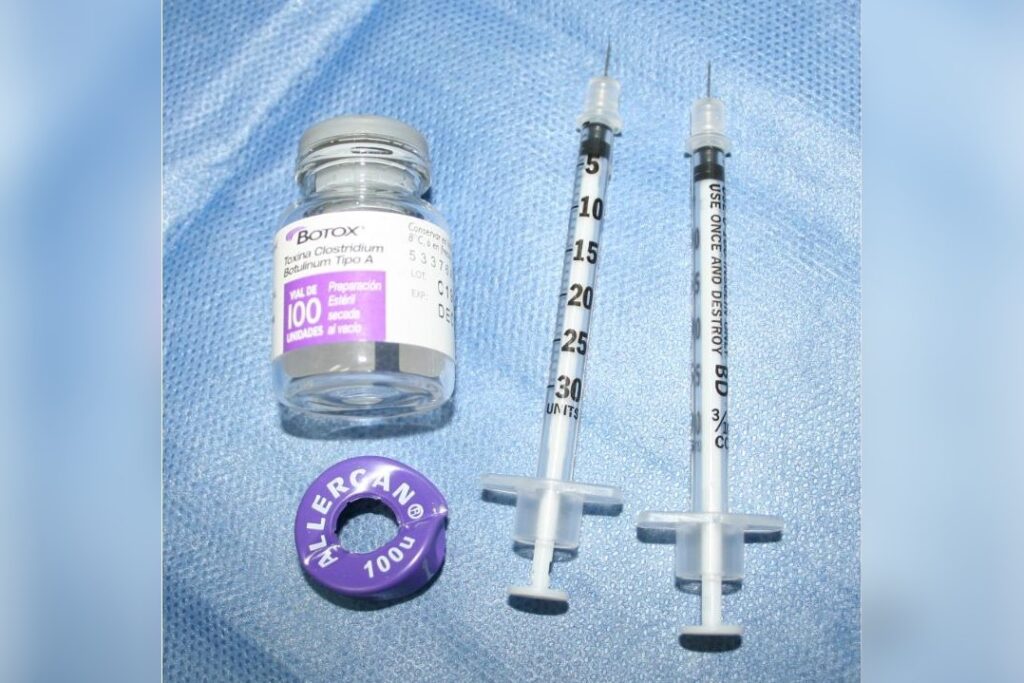
Anti-wrinkle products have historically held the largest share by product type. P&S points to celebrities who have admitted to Botox treatment, which it says has made people more aware that it reduces wrinkles. The products themselves are also getting more advanced. The report lists Generation X as the largest group of users, and says more consumers are choosing home-use products and devices.
Among the key players it names are Nu Skin Enterprises, Procter & Gamble, Allergan, L’Oreal, Estee Lauder, Panasonic, Philips and Amorepacific.
Fastest growth expected in Asia-Pacific
For families across Asia, the regional forecast matters most. P&S expects the fastest growth in the Asia-Pacific region. It cites the booming older population, a rising volume of cosmetic surgeries and more awareness-raising seminars and conferences. Anti-aging treatments, devices and products are growing in popularity in countries across the region, the firm says.
The pandemic hit the market in the meantime. Lockdowns and movement limits halted manufacturing and trade in related devices and products, and most cosmetic and aesthetic centers were not operating. Pay cuts and unemployment pushed many people to save for essentials such as food and medicine.




