
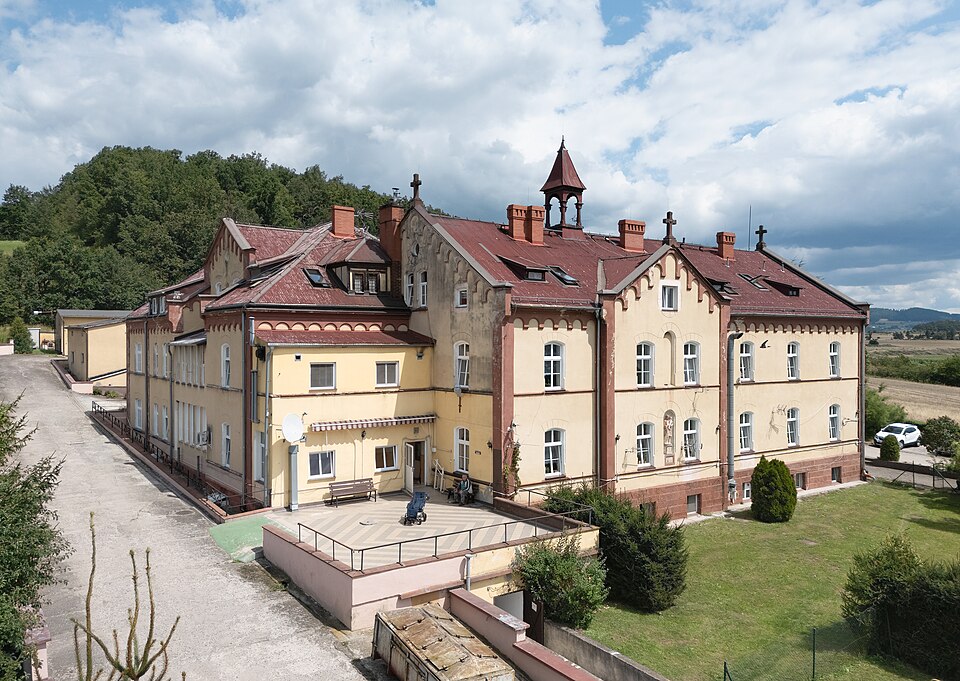
At care homes in Dormagen and Krefeld, in North Rhine-Westphalia, staff had to carry residents out of overheated wings on Saturday because they were falling ill. On Sunday the thermometer in eastern Germany hit a record 41.7 degrees Celsius, and Germany has no national rule that obliges nursing homes, retirement homes or hospitals to have cooling at all.
The weekend heat did more than hurt the elderly. Trains and trams stopped, and road surfaces split open in the heat. The German Life Saving Association said at least 26 people, all of them men and boys, drowned while swimming. The weather service later put June 2026 second on its list of warmest Junes ever measured.
Who is responsible
The federal government pointed on Monday to the states and municipalities. Under German law, heat preparedness plans and protective measures are their job. Environment Minister Carsten Schneider, a Social Democrat, said on ARD that he does not see Berlin leading the way on adaptation. “The responsibility lies with the federal states and municipalities,” he said, adding that the Basic Law bars him from providing financial support. He promised to raise with the conservative coalition partners the idea of amending the constitution so the federal level could take a bigger role.
Speaking to Deutschlandfunk, he argued that €100 billion already passed to the states and councils was, in his words, “sufficient and adequate”. DW noted the money is a slice of the €500 billion infrastructure package that followed the 2025 federal election. A Federal Health Ministry spokeswoman pointed to its heat plan and a €29 billion fund. “We are doing what we can and what we are permitted to do, but we cannot change the federal structure,” she said.
The opposition was not persuaded. Katharina Dröge, who leads the Greens in the Bundestag, said that Chancellor Friedrich Merz may shrug off the weather from his cooled Chancellery, while nurses and care-home residents cannot. She wants air conditioning put into hospitals, care homes, nurseries and schools immediately, with subsidies for solar-powered units. Her party leader Felix Banaszak said the government seemed to have agreed to stay quiet until the rain returned.
Eugen Brysch of the German Patient Protection Foundation put a price on the gap: €30 billion for heat protection in hospitals and care facilities, to begin across the country no later than next year, with the federal government paying. The German Hospital Association said existing funds fall short. Martin Kaiser of Greenpeace Germany pointed out that many municipalities are already deeply in debt.
A building stock without cooling
Destatis figures cited by The Local show how slowly that is changing. Of newly built social facilities, a category that covers daycare centres and nursing homes, only 14.5 percent had cooling, against 5.7 percent in 2015. New healthcare buildings did better at 34.4 percent, yet nearly two-thirds of them still went up without it last year.
Andreas Becker, who studies climate at the German Weather Service, told Deutschlandfunk that temperatures are rising steadily and will keep doing so. The Federal Environment Agency adds a structural point: between 2021 and 2024, about 50 hectares of land were converted every day into housing, transport and commercial use, the equivalent of 70 soccer fields. Sealed ground sheds rainwater and traps heat, and cities become heat islands.
The WHO’s Tedros Adhanom Ghebreyesus wrote on X that more than 1300 excess deaths linked to high temperatures had been recorded in Europe since June 21.
Sources
- Germany: Heat wave is over, political fallout has just begun (DW)
- Germany's record heat exposes gaps in infrastructure protection (dpa/Yahoo)
- ANALYSIS: Germany's aversion to air conditioning is melting in the heat (The Local)




