
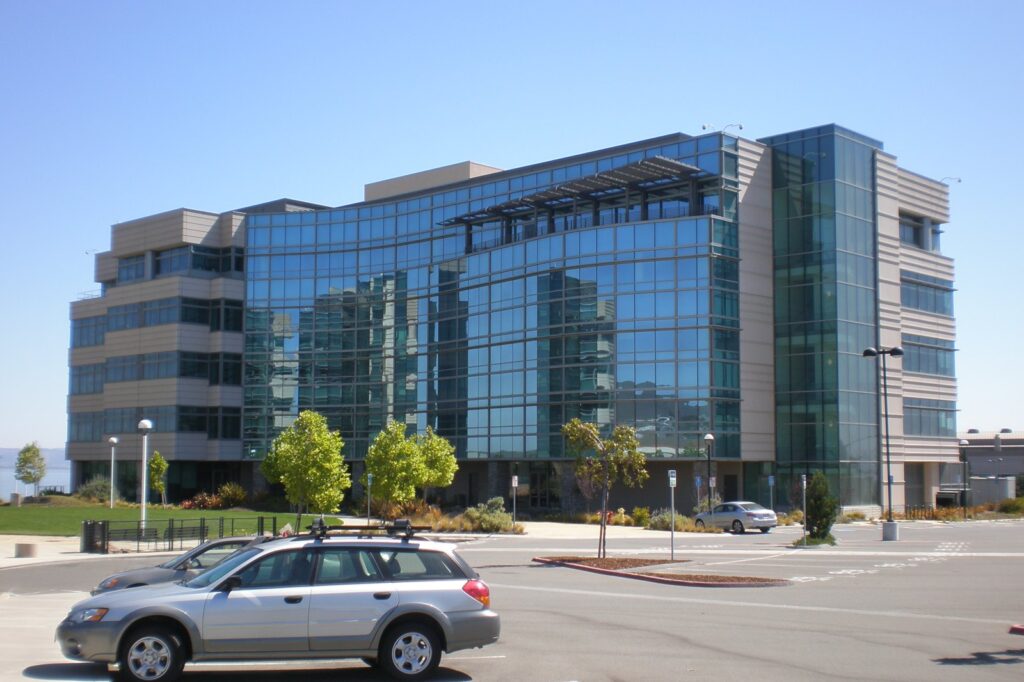
Genentech has entered a licensing agreement with Alector for the asset AL050, a move that signals a strategic shift toward specialized neuro-autoimmune and rare disease biologics. The deal, which includes a US$100 million upfront payment and up to approximately US$1.17 billion in milestones and tiered royalties, has drawn divergent views from Wall Street analysts regarding its long-term value. While some see it as validation of a promising scientific platform, others view it primarily as a financial lifeline for the smaller partner.
A Strategic Pivot for a Biotech Pioneer
Genentech, headquartered in South San Francisco, California, is widely regarded as the world’s first biotechnology company. Founded in 1976 by venture capitalist Robert A. Swanson and biochemist Herbert Boyer, the firm built its reputation on pioneering recombinant DNA technology. Boyer, along with Stanley Norman Cohen, demonstrated in 1973 that restriction enzymes could cut DNA fragments, laying the groundwork for modern genetic engineering. The team later produced somatostatin in 1977 and synthetic human insulin in 1978, achievements that defined the early era of biotech.
For decades, Genentech operated as a standalone entity before F. Hoffmann-La Roche AG acquired a majority stake in 1990. In March 2009, Roche completed its full acquisition of Genentech for approximately $46.8 billion, making it a wholly owned subsidiary. Today, Genentech operates as an independent subsidiary within the Roche holding company, employing around 12,100 people as of 2026. The company has a history of strategic acquisitions, including Tanox in 2006 and Seragon in 2014, which helped expand its pipeline in oncology and other therapeutic areas.
The current deal with Alector represents a different kind of expansion. Rather than acquiring a company outright, Genentech is licensing a specific asset, AL050. This approach allows the larger corporation to access new scientific platforms without the heavy capital expenditure associated with full mergers. For Genentech, this deal is part of a broader effort to maintain its position as a leader in research-driven biotechnology. The company has historically relied on internal R&D and collaborations, such as its 2010 partnership with the University of California, San Francisco, to discover small molecule drugs in neurology. The AL050 license fits into this pattern of leveraging external innovation to address complex medical challenges.
The Blood-Brain Barrier Platform
The scientific core of the deal is Alector’s Brain Carrier platform, which utilizes a blood-brain barrier shuttle approach. The blood-brain barrier is a protective layer that prevents many drugs from reaching the central nervous system. Alector’s technology aims to transport therapeutic proteins across this barrier, opening up new possibilities for treating neurological and neuro-autoimmune conditions. The asset AL050 is the first product to be licensed under this agreement, marking a significant step for the platform.
H.C. Wainwright, an investment firm, lifted its price target for Alector to US$8 from US$5 following the October 2026 R&D day. The firm described Alector as a “platform business” rather than a story about a single asset. According to H.C. Wainwright, the Genentech license serves as external validation that the blood-brain barrier shuttle approach is gaining traction in the industry. This validation contributes to a more constructive view of Alector’s future partnering potential and the overall value of its platform. The firm’s stance suggests that the deal is a strong indicator of the scientific merit of the technology.
However, not all analysts share this optimistic view. Morgan Stanley raised its price target on Alector to US$3 from US$2 but maintained an Underweight rating. Morgan Stanley’s analysis focuses on the financial terms of the deal, specifically the US$100 million upfront payment and the potential milestones. The firm views these funds mainly as a way to extend Alector’s cash runway into 2029, rather than as a signal of strong long-term equity upside. This divergence highlights the uncertainty surrounding the commercial viability of the platform. While the science is promising, the path to profitability remains complex and dependent on future clinical successes.
Financial Terms and Market Implications
The financial structure of the deal is designed to share risk and reward between the two companies. Alector receives an immediate cash injection of US$100 million, which provides essential funding for its operations. In addition, Alector is eligible for up to approximately US$1.17 billion in milestone payments and tiered royalties. These payments are tied to the successful development and commercialization of AL050 and potentially other assets from the Brain Carrier platform. For a company like Alector, which has been developing its technology for years, this funding is critical for sustaining research and clinical trials.
The deal has also influenced the perceived fair value of Alector’s stock. An internal fair value estimate for Alector has shifted from US$3.10 to US$3.90 per share. This adjustment places the stock in the lower half of the current analyst price target range, which clusters between roughly US$3 and US$8. The shift reflects the market’s attempt to balance the positive news of the Genentech partnership against the cautious views of firms like Morgan Stanley. The assumed revenue decline for Alector has also been adjusted, moving from 38.20% to 28.08%, suggesting that analysts expect the company’s financial performance to stabilize somewhat in the near term.
For investors, the deal highlights the importance of understanding the difference between scientific validation and financial performance. While the Genentech license confirms that Alector’s technology is of interest to a major pharmaceutical player, it does not guarantee immediate profits. The long-term value of the platform will depend on clinical trial results, regulatory approvals, and market adoption. Investors should monitor future clinical data and deal announcements to gauge the platform’s potential. The current price targets reflect a wide range of expectations, indicating that the market is still digesting the implications of this partnership.
Expanding Into Underserved Markets
The AL050 deal is part of a broader trend in biotechnology where major companies are looking to expand into underserved rare disease markets. Neuro-autoimmune diseases, such as those affecting the brain and spinal cord, have historically been difficult to treat due to the challenges of drug delivery. The blood-brain barrier acts as a significant hurdle, limiting the effectiveness of many biologics. By partnering with Alector, Genentech is positioning itself to address these unmet medical needs. This strategy aligns with the company’s history of pursuing innovative therapies for complex conditions.
Genentech’s research collaborations have often focused on areas where traditional drug development faces obstacles. For example, its 2014 collaboration with NewLink Genetics on checkpoint inhibitors addressed the need for new cancer treatments. Similarly, the AL050 license targets a gap in neurology that has resisted conventional approaches. The company’s ability to integrate new platforms into its existing infrastructure is a key factor in its long-term success. With a workforce of 12,100 employees, Genentech has the resources to support the development of AL050 and potentially other assets from the Brain Carrier platform.
For patients, these developments offer hope for new treatment options in conditions that have limited therapeutic choices. The blood-brain barrier shuttle approach could enable the delivery of biologics that were previously inaccessible to the central nervous system. However, it is important to note that AL050 is still in the development phase, and its efficacy and safety will be determined through clinical trials. Patients with neuro-autoimmune diseases should continue to work closely with their healthcare providers to manage their conditions and stay informed about emerging therapies. The journey from licensing deal to approved treatment is long and complex, but the initial steps suggest a promising direction for future care.
As the biotech industry continues to evolve, partnerships like the one between Genentech and Alector will play a significant role in shaping the landscape of drug development. The deal underscores the value of specialized platforms that can overcome biological barriers. For Genentech, it is a chance to reinforce its legacy as a pioneer in biotechnology. For Alector, it is a validation of its scientific efforts and a boost to its financial stability. The coming years will reveal whether this partnership can translate into meaningful clinical benefits for patients. Until then, the focus remains on rigorous research and careful evaluation of the data. Patients and investors alike should keep a close eye on the progress of AL050 and the broader Brain Carrier platform. The potential for innovation in neurology is significant, and the next few years will be critical in determining the success of this approach. As always, individuals with health concerns should consult their doctor for personalized medical advice and treatment options.
Sources
- Genentech
- Alector (ALEC) Stock Fair Value Rises After Genentech Deal Draws Split Analyst Views
- Zeynep Birsu Çinçin: From Awareness to Adaptive Oncology – AI, Molecular Resistance, and Adaptive Oncology in Breast Cancer – OncoDaily
Photo: BrokenSphere (CC BY-SA 3.0)




