
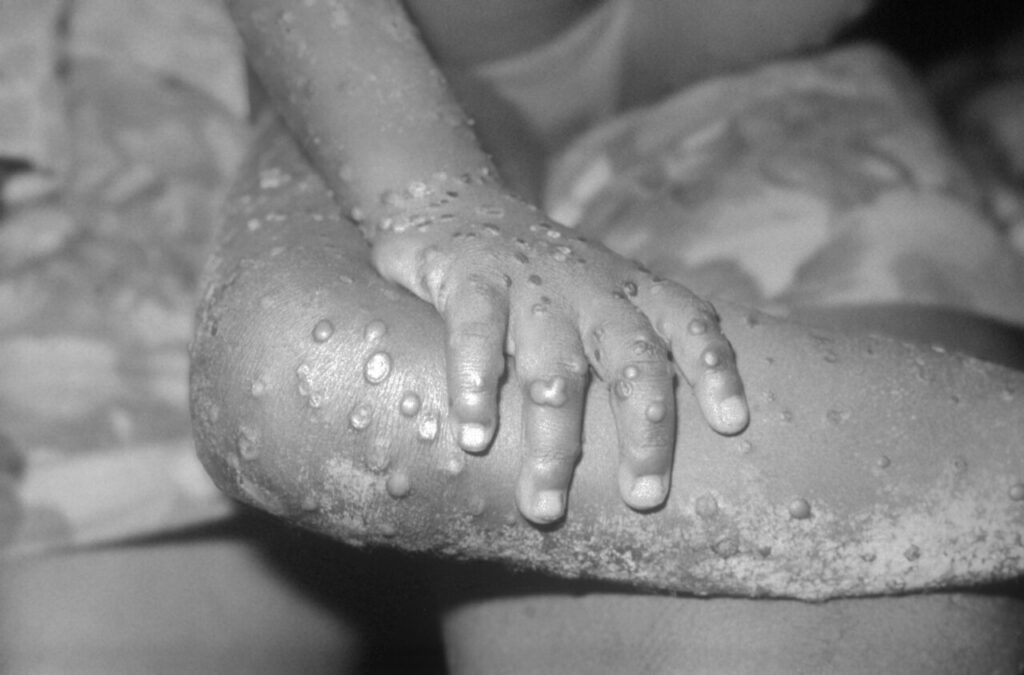
Health authorities in Gabon have confirmed the Central African nation’s first case of mpox, a viral disease, in a male patient who had recently visited Uganda. The diagnosis was officially recorded on August 23, 2024, signaling the virus’s entry into the country.
Dr. Jean-Vincent Mombouli, a prominent health expert in Gabon, stated that the individual is currently under medical care and remains in stable condition. In response, the Gabonese government has initiated swift containment protocols, including contact tracing and monitoring of individuals who may have been exposed to the infected person. “We are taking all necessary precautions to contain the outbreak and protect the public,” Dr. Mombouli said.
The government is also collaborating closely with international health organizations to optimize its response strategy. Gabon’s diverse terrain—spanning coastal plains, mountains, and savannas—poses distinct challenges for disease surveillance and response.
The country’s relatively sparse population of 2.3 million people across approximately 270,000 square kilometers complicates efforts to track and contain outbreaks. However, officials emphasize that the rapid governmental response and partnership with global health bodies are critical to limiting mpox’s spread. Particular vigilance is being maintained in Libreville, the capital and largest city, which serves as a major hub for trade and commerce.
Researchers and scientists are intensifying efforts to understand mpox and develop effective treatments. Dr. Soumahoro Mboup, a renowned virologist, noted, “The scientific community is making significant progress in understanding the virus and developing diagnostic tools and therapies.” Advanced technologies such as genetic sequencing and computer modeling are aiding these research initiatives.
Health officials in Gabon are urging the public to remain calm but vigilant, adopting necessary precautions to curb transmission. The government is providing regular updates and guidance, while international health organizations offer support and expertise. Dr. Mombouli emphasized, “We are committed to transparency and open communication, and we will continue to work closely with the public and our international partners to address this challenge.” The situation remains under close monitoring, with authorities prepared to escalate measures if needed.
As scientific understanding of mpox advances, there is optimism about developing effective treatments and prevention strategies. Dr. Mboup remarked, “The power of science and international cooperation gives us reason to be optimistic about our ability to combat this disease.” Collaboration between governments, global health agencies, and the scientific community is seen as essential to managing the threat.
For medical advice, consult your doctor.




