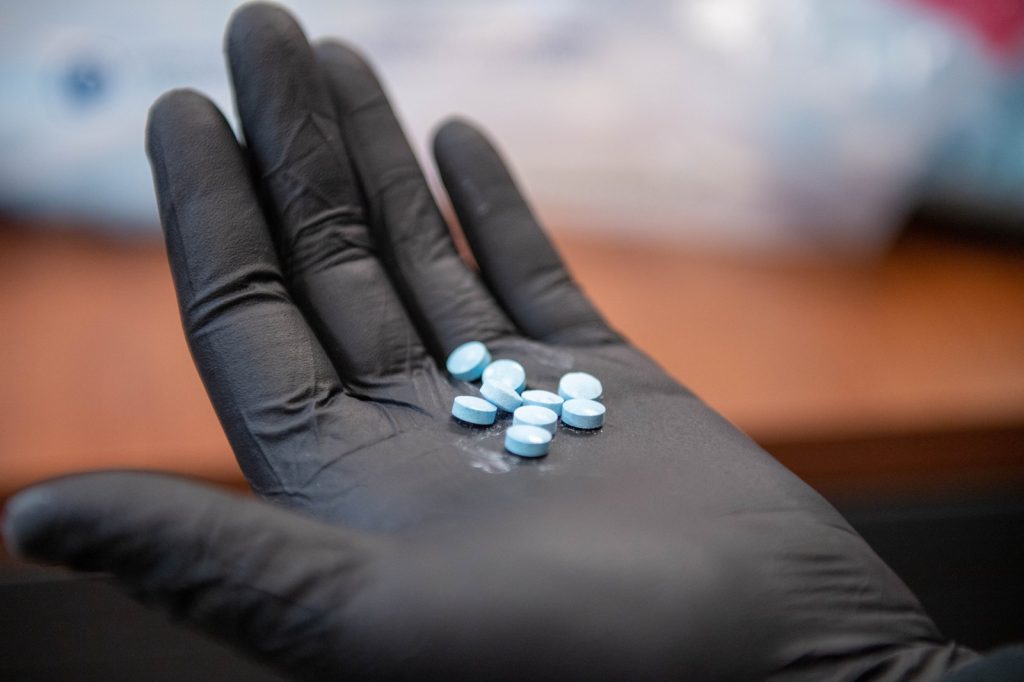
WASHINGTON — 1,600 kilograms. That was the total amount of fentanyl used in healthcare globally in 2015, a figure that underscores the drug’s legitimate medical footprint before illicit manufacturing reshaped the crisis. The bottom line: Fentanyl is 50 to 100 times more potent than morphine, and that extreme potency has driven a surge in overdose deaths since the mid-2010s.
The drug’s shift from prescription-only to a dominant illicit market has fundamentally altered both public health policy and bipartisan political dynamics.
A Medical History Turned Crisis Driver
Fentanyl was first synthesized by Paul Janssen in 1960 and approved for medical use in the United States in 1968. It belongs to the piperidine family of synthetic opioids, and its primary clinical applications are pain management for cancer patients, post-surgical recovery, and sedation for intubated patients. Brand names include Actiq, Duragesic, and Sublimaze.
By 2017, fentanyl was the most widely used synthetic opioid in medicine. In 2019, it ranked as the 278th most commonly prescribed medication in the U.S., with more than a million prescriptions.
The World Health Organization includes it on its List of Essential Medicines. The drug works by activating μ-opioid receptors and κ-opioid receptors. Its effects at clinical doses include sedation and analgesia.
The most common adverse effects are respiratory depression, vomiting, and weakness. Bradycardia and apnea are uncommon but serious, and can be fatal outside of clinical settings.
The μ-receptor agonism is specifically responsible for the respiratory depression that makes the drug so dangerous in unmonitored use.
The Illicit Shift
Since the mid-2010s, the rise of illicitly manufactured fentanyl has dramatically altered the U.S. drug crisis. The drug’s potency means even microscopic dosing errors can be lethal. This has shifted public concern from prescription opioids to synthetic opioids, and has changed partisan views on drug policy.
The surge in overdose deaths has prompted bipartisan attention, but the responses have diverged. Some policymakers emphasize law enforcement approaches, while others push for public health interventions.
The drug’s extreme potency has made it a central issue in the ongoing debate over how to address the broader addiction crisis.
What’s Next
The trajectory of illicit fentanyl manufacturing and distribution remains a key variable for both public health officials and those tracking the pharmaceutical sector. As the U.S. administration continues to address the crisis, the tension between enforcement and treatment approaches will likely intensify. For now, the data is clear: fentanyl’s medical utility is well-established, but its illicit presence has created a public health emergency that shows no signs of abating. Consult your doctor for medical advice.