
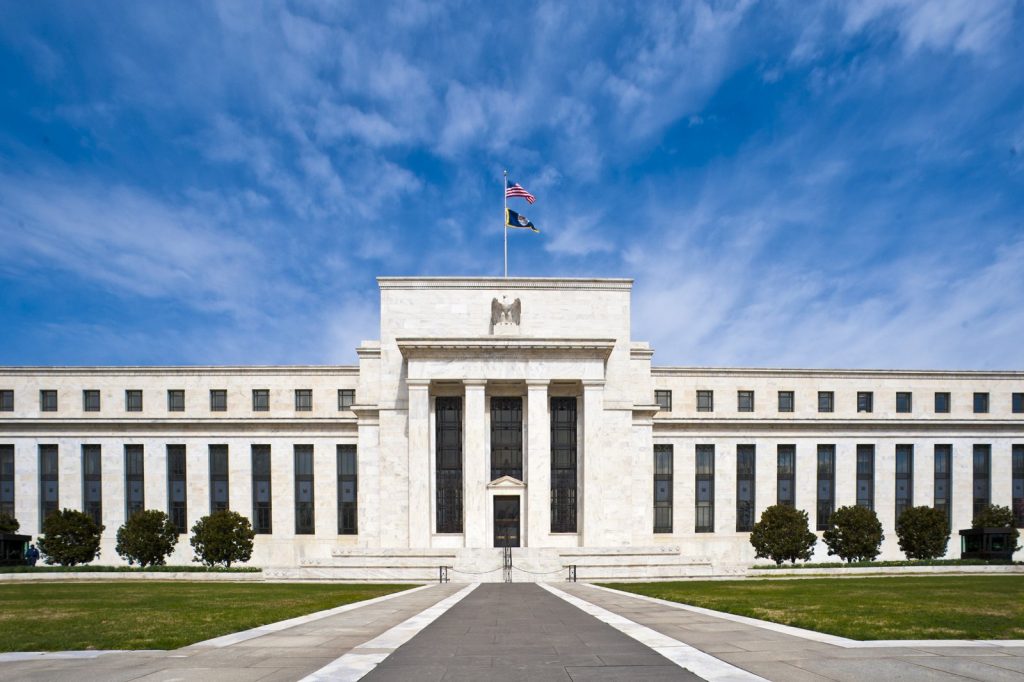
Seven governors. Twelve regional banks. Twenty-four branches. Put together, those pieces make up the Federal Reserve, the central bank of the United States, which came into being on December 23, 1913, when President Woodrow Wilson signed the Federal Reserve Act.
It followed a run of bank failures and stock market panics, with the severe crisis of 1907 pushing Congress to act. The main stated goal was to stop banking panics. Backers also wanted a more elastic currency, a way to rediscount commercial paper and tighter supervision of banks.
A compromise by design
Getting there was a fight. Agrarian and progressive interests under William Jennings Bryan wanted a central bank run by the public, while most bankers feared a body directed by political appointees. The law that passed in 1913 split the difference. Donald Kohn, then a vice chairman of the board, described the result in 2006 as a hybrid public-private, centralized-decentralized structure.
That hybrid still shows. Private banks elect directors at their regional Reserve Bank, but the president picks the governors and the Senate confirms them. A governor serves a 14-year term. The chair, vice chair and vice chair for supervision are chosen from sitting board members and serve four years.
Who votes on rates
The twelve Reserve Banks each cover their own district and oversee local banks directly. They do not set monetary policy, but their economic research feeds into it.
The Federal Open Market Committee does set it. It has 12 voting members: all seven governors, the president of the New York Reserve Bank, and four of the other 11 Reserve Bank presidents. It meets at least eight times a year and manages the federal funds rate, the rate at which banks lend to each other. That rate shapes what people pay on mortgages and other loans, and what savings accounts and CDs earn.
Congress gave the Fed a dual mandate, maximum employment and stable prices. The Board of Governors holds two other levers, the discount rate and reserve requirements. Federal law requires the Fed’s head to appear before Congress at semi-annual hearings.




