
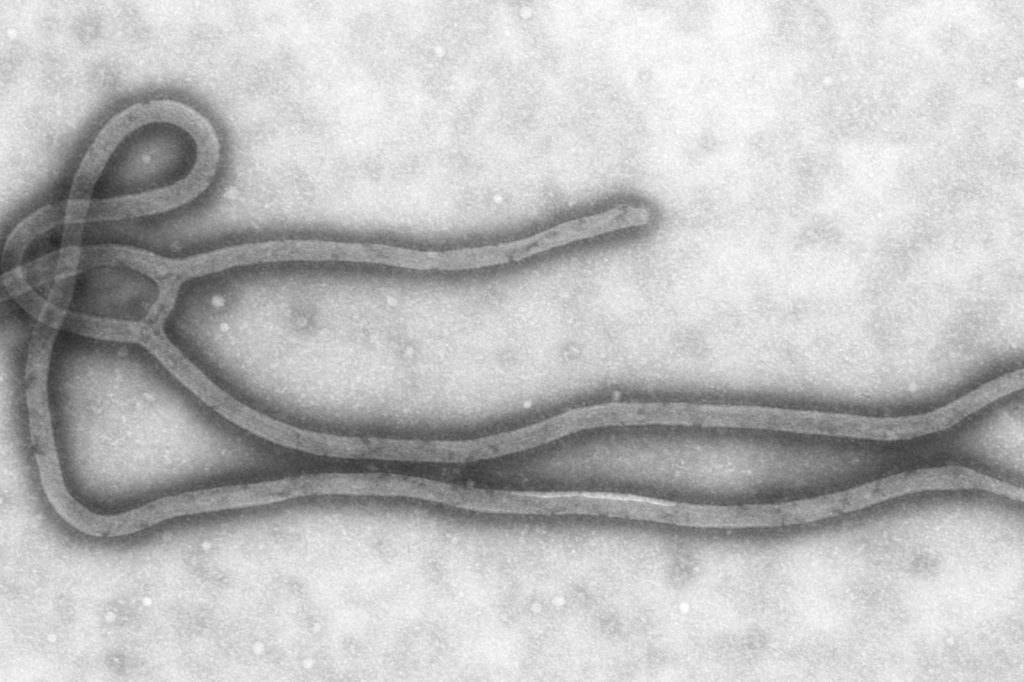
Of the 7,022 Ebola cases registered in the Democratic Republic of the Congo, 3,398 people have died. Another 837 are in isolation or under treatment. Those are the figures Congolese authorities gave in mid-September for the country’s worst outbreak of the disease.
The DRC officially detected the outbreak in mid-May, though experts suspect it was circulating unnoticed for weeks before that. The Bundibugyo virus behind it is rare, and this is the country’s 17th Ebola epidemic. It began in the northeastern province of Ituri, and most recorded cases are still there.
A spreading map
The virus has not stayed put. It moved into remote parts of the east and north, where armed groups have operated for decades, the state is barely present and clinics are scarce. Earlier in the week a single case was confirmed in South-Ubangi, a northwestern province on the border with the Central African Republic and Congo-Brazzaville. That made it the seventh province to report the disease.
The World Health Organization counted the spread differently, using confirmed cases. By Sept. 7, it said, confirmed cases stood at 6,757, with 3,267 deaths, which works out to a case fatality ratio of 48.3%. A new zone, Kayna in North Kivu, had been added, taking the total to 61 zones in six of the country’s 26 provinces. Transmission varied from place to place, the agency said, yet geographic spread continued and some zones saw cases climb steadily. That death rate, it warned, reflects the “seriousness of the disease and persistent challenges in timely case detection, access to early and adequate patient care, and effective interruption of transmission.”
Late detection, the WHO added, makes it likelier that the virus passes on at home, in the community and in clinics.
Back to school, with fear
In Ituri, Ebola turned up in schools soon after pupils came back from the summer break. Parents and health workers are alarmed. Angele Magani, whose son attends school in Bunia, the provincial capital, told AFP: “We are very worried because we don’t know which child comes from which family or what the health status of the members of that family is.” “We are so scared,” she said, even though school authorities were reassuring families about the health measures in place.
Roger Mungimbo, a Bunia school official, described the precautions. Hand-washing with soap is mandatory, and the schools have done everything possible to hold classes to a maximum of 30 pupils. Children are reminded regularly not to touch or greet each other.
No approved vaccine
Ebola passes on through contact with bodily fluids, and it can bring heavy bleeding, inside and out, and organ failure. Across Africa it has claimed more than 15,000 lives in half a century. The deadliest outbreak, in West Africa between 2014 and 2016, involved the Zaire virus and took over 11,325 lives, most of them in Sierra Leone, Guinea and Liberia. For the Bundibugyo strain now in the DRC, nothing is approved, neither vaccine nor treatment, though several candidates are in testing.
Sources
- DR Congo's worst Ebola epidemic ever passes 7,000 cases
- Ebola outbreak in DR Congo expands to new health zone, bringing total to 61: WHO




