
Nearly 15 percent of the food Americans eat comes from abroad, from about 150 countries. That includes nearly half of the fresh fruit and one-fifth of the fresh vegetables consumed each year. In July 2013 the Food and Drug Administration proposed two rules aimed at making sure all of it meets the same safety standards as food produced at home.
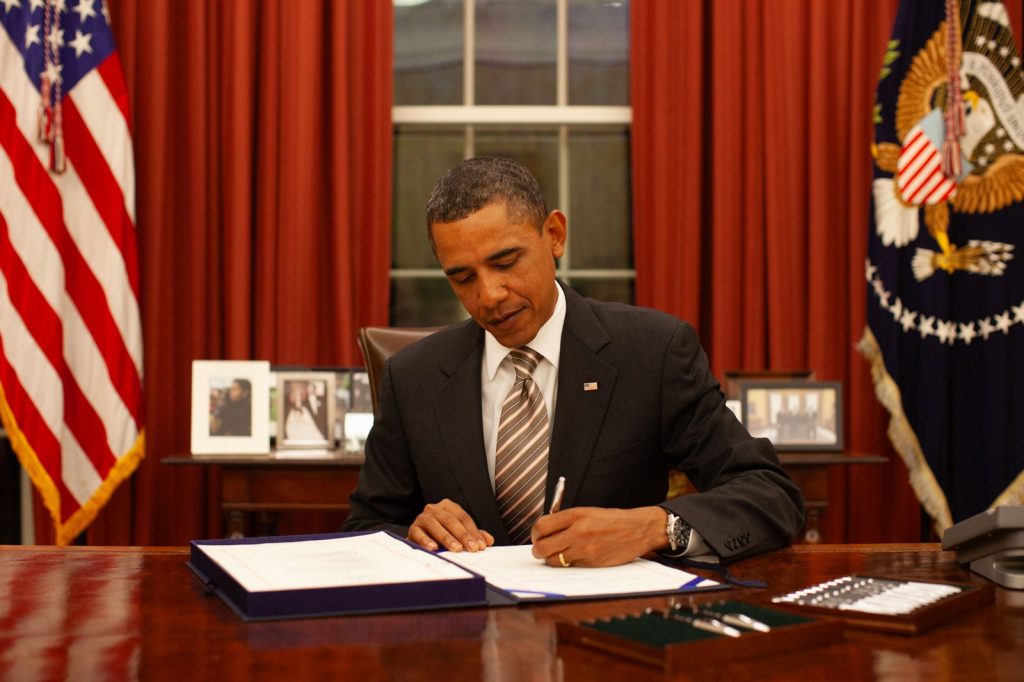
Both proposals grew out of the Food Safety Modernization Act, which President Barack Obama signed on January 4, 2011. The law moves the emphasis from reacting to contamination toward heading it off.
Importers become responsible
The first proposal creates Foreign Supplier Verification Programs. Every importer would need one for each food it brings in. Importers would assess foreseeable safety hazards, size up products and suppliers, and carry out checks showing those hazards are under control.
Until now, the FDA’s inspectors at the ports carried most of that load. “Rather than relying primarily on FDA investigators at the ports to detect and respond to food safety problems, importers would, for the first time, be held accountable for verifying, in a manner transparent to the FDA, that the food they import is safe,” said Michael R. Taylor, the agency’s deputy commissioner for foods and veterinary medicine.
Congress told the FDA to inspect more foreign food operations. It also gave the agency authority to write rules making industry share responsibility for preventing problems.
Third-party auditors
The second proposal covers the auditors who inspect foreign food facilities and the food itself. Many food companies and importers rely on those audits. Under the rule, the FDA would recognize accreditation bodies, which could be foreign government agencies or private companies, judged on criteria such as competency and impartiality. Those bodies could then accredit auditors to audit foreign facilities and issue certifications.
Importers generally would not need certifications themselves. The FDA could use them, though, in deciding whether to admit certain foods that pose a safety risk.
FDA Commissioner Margaret A. Hamburg tied both proposals to partnership. “We must work toward global solutions to food safety so that whether you serve your family food grown locally or imported you can be confident that it is safe,” she said. “Our success will depend in large part on partnerships across nations, industries, and business sectors.”
The FDA said both proposed rules would be open for public comment for 120 days.




