
The FDA cleared a new kind of lung cancer drug on May 16, 2024, and it did so a month ahead of its own goal date. The agency granted accelerated approval to tarlatamab-dlle, sold as Imdelltra by Amgen, for extensive-stage small cell lung cancer that has progressed on or after platinum-based chemotherapy.
Amgen’s research chief, Dr. Jay Bradner, called it “a pivotal moment for patients” and said it was a long-awaited treatment. The drug is meant only for people who have run out of other options.
How the drug works
Tarlatamab is a bispecific T-cell engager. It grabs hold of DLL3, a protein on the tumor cells, and CD3 on T cells at the same time, bringing the body’s immune defenders into contact with the cancer so they can find and destroy it.
What the trial found
The FDA based its decision on DeLLphi-301, an open-label, multicenter study of 99 patients whose disease had advanced after platinum chemotherapy. Forty percent responded (95% CI, 31 to 51), and the median duration of response was 9.7 months. Results differed by how patients had fared on earlier platinum treatment. The overall response rate was 52% among the 27 patients with platinum-resistant disease and 31% among 42 with platinum-sensitive disease.
Because the approval is accelerated, it rests on response rate and duration rather than survival. Continued approval may depend on later confirmation of clinical benefit.
Serious risks
The label carries a boxed warning for cytokine release syndrome and for neurologic toxicity, including immune effector cell-associated neurotoxicity syndrome. More than a fifth of patients had one or more of the common adverse reactions: cytokine release syndrome, fatigue, fever, altered taste, a poorer appetite, aching muscles and bones, constipation, anemia and nausea.
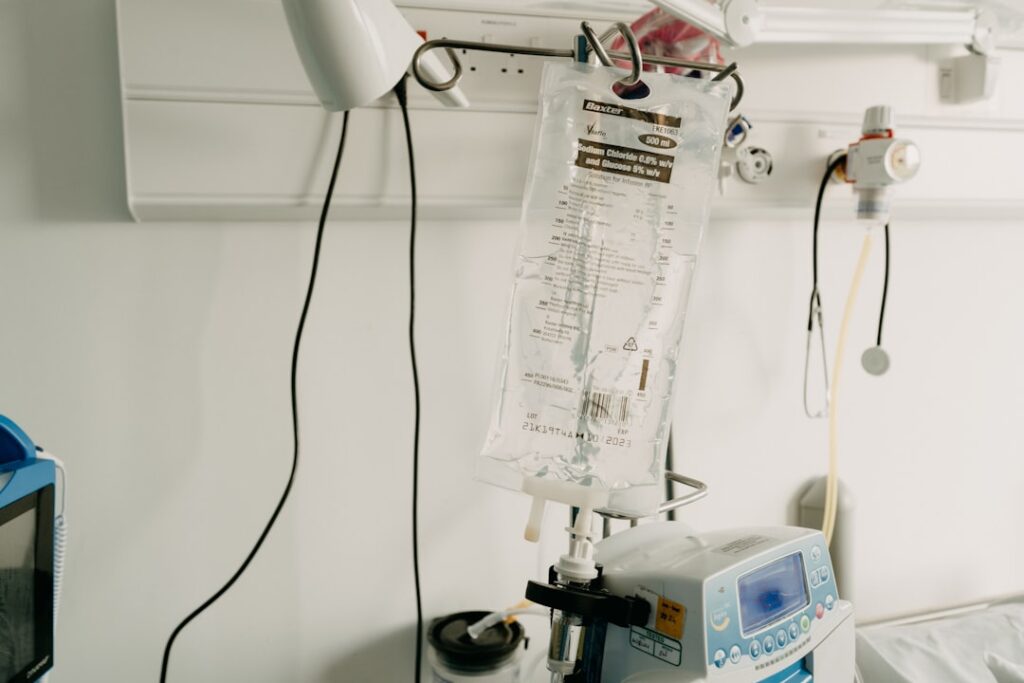
The dosing schedule reflects that caution. Patients receive 1 mg by intravenous infusion over one hour on day 1 of the first cycle, then 10 mg on days 8 and 15, and then every two weeks until the disease progresses or toxicity becomes unacceptable.
A fast, international review
The FDA reviewed the application with regulators from Brazil, Canada, Israel and the United Kingdom under Project Orbis, a framework for concurrent oncology reviews. Those agencies’ own reviews were still under way. The application received priority review, breakthrough designation and orphan drug designation, and used the Real-Time Oncology Review pilot to speed up data submission.
Nothing here is a cure. But for a cancer with so few second-line choices, a response in four of every ten treated patients, lasting nearly ten months at the median, is a result oncologists will take seriously.
Sources
- FDA Grants Accelerated Approval to Tarlatamab-Dlle for Extensive-Stage Small Cell Lung Cancer – Oncology Nursing Society
- FDA Approves New Drug for Deadly Lung Cancer – HealthDay via University of Wisconsin Clinical Trials Institute
- FDA grants accelerated approval to tarlatamab-dlle for extensive stage small cell lung cancer – Lung Cancer Foundation of America




