
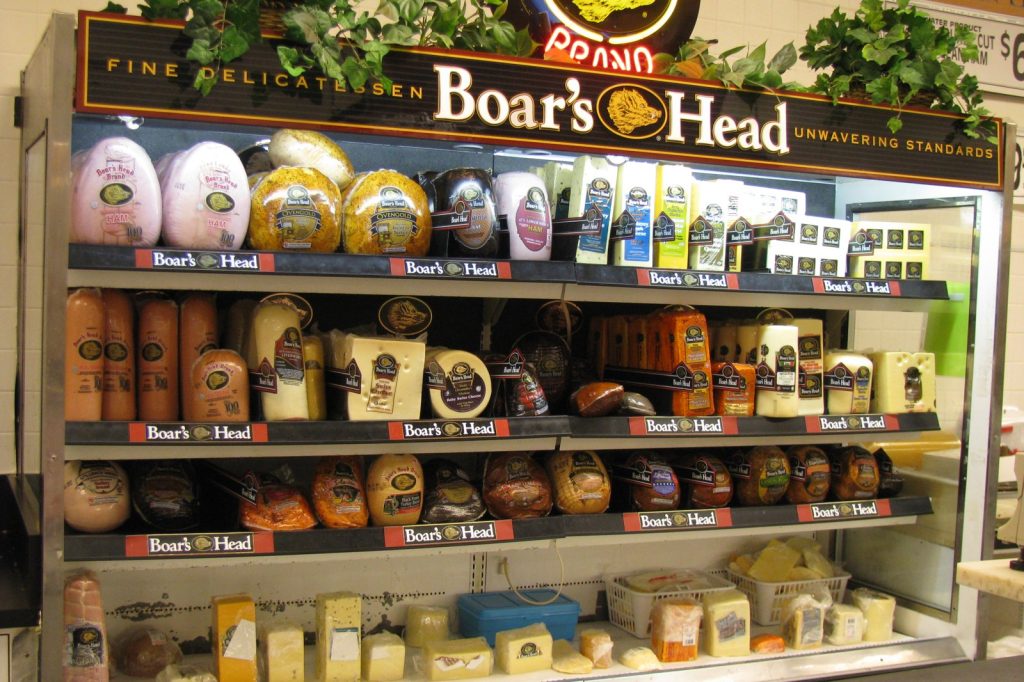
Gunter Morgenstein was 88 when he died on July 18, 2024. Listeria from Boar’s Head liverwurst killed him. “I think it is disgusting and shameful,” his son Garshon said after federal inspection records came out. “I’m just even more in shock that this was allowed to happen.”
Gunter was one of 10 people who died in the outbreak. The CDC later counted 61 illnesses across 19 states and 60 hospitalizations, and said the true toll was probably higher.
A timeline in a few weeks
The CDC began investigating on July 19, 2024. Seven days later, Boar’s Head started recalling liverwurst made at its plant in Jarratt, Virginia. On July 30 it widened the recall to take in 7 million more pounds of meat and poultry. The plant closed on Sept. 13, 2024.
The break came from a routine sample. Health officials in Maryland tested a liverwurst and found listeria, and further testing showed the strain matched the one making people sick. The company said it expanded the recall “out of an abundance of caution” to cover everything made at Jarratt, and it stopped producing ready-to-eat foods there. Meat from the plant had reached stores across the country, as well as the Cayman Islands, the Dominican Republic, Mexico and Panama.
What inspectors had already written down
Records released under federal freedom of information requests showed what government inspectors saw at Jarratt. They logged 69 instances of noncompliance between Aug. 1, 2023 and Aug. 2, 2024. The list reads badly. Mold, insects, ceilings that dripped, walls and floors and machinery coated in leftover meat and fat. One inspector noted flies “going in and out” of pickle vats and “black patches of mold” on a ceiling. Another logged blood pooling on the floor, plus “a rancid smell in the cooler.”
None of those documents contained a test result confirming listeria in the factory. Still, experts read them with alarm. “It makes me wonder why additional actions weren’t taken by management of that company and the regulators,” said Barbara Kowalcyk, a food safety researcher at George Washington University who directs its nutrition security institute.
A spokesperson told CBS the company was sorry for the fallout from the recall and treats food safety as a priority. It also said on its website that every issue raised by inspectors was dealt with immediately.
The mechanism
Listeria is a hard organism to fight in a food plant. It survives in refrigerated conditions, hides in cracks and drains, and can form biofilms, thin slimy layers that resist cleaning. Condensation can carry it onto exposed product. Flies can spread it. That is why the USDA’s food-safety inspection arm later flagged the plant’s residue, condensation and structural problems as a pattern that carried elevated risk.
A later USDA review said inadequate sanitation at the plant was among the major contributing factors and that its own approach to listeria needed examining. The CDC has since declared the outbreak over.
Sources
- Boar's Head plant linked to deadly outbreak broke food safety rules dozens of times, records show (AP via Scripps)
- Unsanitary conditions led to deadly Boar's Head listeria outbreak, USDA report finds (USA Today)




