
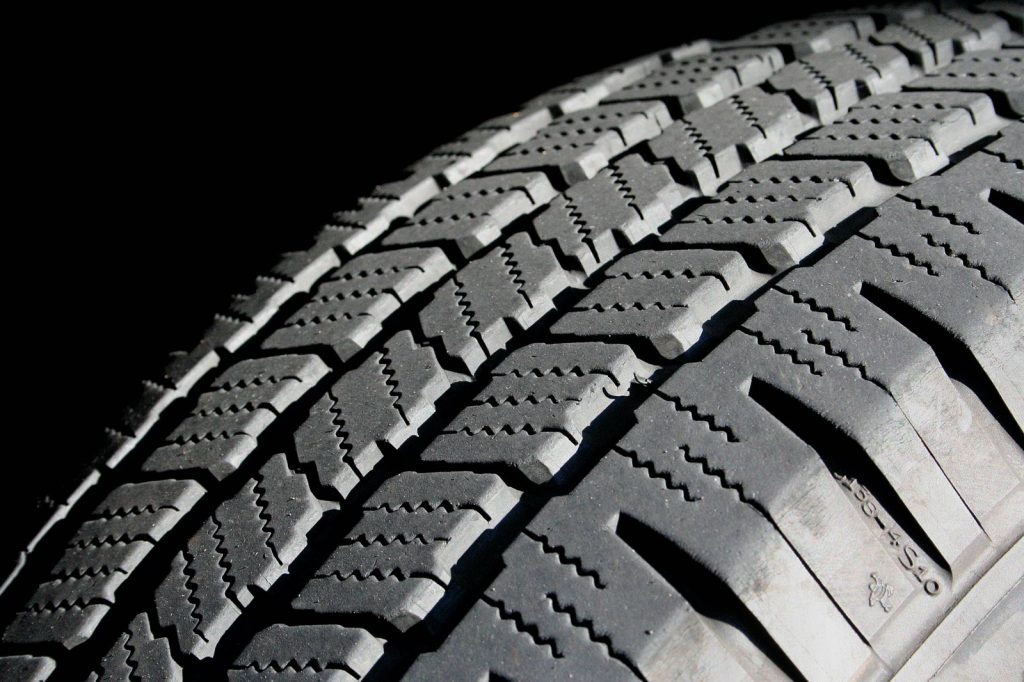
A chemical additive essential for preventing tire degradation from sunlight and ozone is now suspected of being linked to one of the most devastating diseases facing American families. The substance, 6PPD, is a critical ingredient used in nearly all tires to ward off ozone cracking. Its breakdown product, 6PPD-Q, has raised alarms among researchers and regulators, who are examining whether exposure to this compound may increase the risk of Alzheimer’s disease.
The emerging concern places the global tire industry, a multi-billion-dollar enterprise, at the center of a potential public health debate that could reshape manufacturing practices and lead to litigation similar to past battles over asbestos and PFAS.
An Essential Ingredient in Every Tire
For more than a century, tire manufacturing has relied on a blend of rubber, carbon black, and chemical additives to produce durable, safe products. In the mid-twentieth century, manufacturers began adding antiozonants to prevent cracking caused by ground-level ozone. The chemical 6PPD became nearly universal because it kept tires from crumbling under sunlight and heat.
It works by migrating to the rubber surface and reacting with ozone before the ozone can attack the tire itself. Without this additive, tires would develop deep cracks and fail prematurely, making 6PPD a functionally irreplaceable preservative.
The U.S. tire market alone was valued at approximately $60 billion in 2023, according to industry reports. Major manufacturers include Michelin, Bridgestone, Goodyear, and Continental, all of which have long treated 6PPD as an essential component. For these companies, the chemical is not optional; it is critical to tire durability and safety.
Health Concerns and the Economic Burden of Alzheimer’s
Research has linked 6PPD-Q, a transformation product of 6PPD, to health risks including Alzheimer’s disease. The economic burden of Alzheimer’s disease in the United States was estimated at $345 billion in 2023, encompassing direct medical costs and unpaid caregiving. If 6PPD-Q is confirmed as a risk factor, reducing exposure could yield substantial public health benefits, potentially offsetting industry costs.
That calculation — the cost of reformulation versus the cost of disease — lies at the heart of the emerging debate. Regulatory actions, such as those proposed by the Environmental Protection Agency, could impose compliance costs on manufacturers.
Litigation could also reshape the market, as it did with asbestos and PFAS, which led to sweeping lawsuits and reformulations. The tire industry has navigated environmental and health concerns before, but the Alzheimer’s link represents a new frontier. The EPA is weighing next steps, and researchers continue to study 6PPD-Q’s effects.
The Challenge of Replacing an Irreplaceable Chemical
Changing the formula of a tire is complex and costly. Replacing 6PPD may require significant research and development investments, and any alternative could alter tire performance, safety, and price.
The industry faces a difficult balance: maintain tire durability or reduce potential harm to human health. For families, the stakes are personal. Alzheimer’s disease touches millions of American households, and any connection to an everyday product — tires on cars, trucks, and school buses — raises questions that go beyond chemistry.
The economic weight of Alzheimer’s disease, already enormous at $345 billion annually, gives public health officials a powerful incentive to act if the science holds. For now, the tire industry, the EPA, and the public health community are watching the same data and drawing different conclusions about what to do next.
What this means for patients and their families is still unfolding as researchers and regulators continue their work.




