
A nurse knows exactly what a patient needs and cannot give it, because there are too few staff or the hospital will not allow it. She goes home and the feeling follows her. That is not fear. Researchers call it moral injury, and it is a different thing from PTSD.
The term came out of work with military veterans in the 1990s. Psychiatrist Jonathan Shay and colleagues coined it after hearing many veterans describe what they saw as injustice caused by bad leadership. His definition had three parts: a betrayal of what is morally right, by someone who holds legitimate authority, in a high-stakes situation. By 2002 he had boiled it down to the betrayal of “what’s right” by someone with power.
In 2009, Brett Litz and colleagues widened it. In their wording, perpetrating, failing to prevent, or bearing witness to acts that transgress deeply held moral beliefs can do lasting harm emotionally, psychologically, behaviorally, spiritually and socially. They said the idea grew out of a gap: diagnoses such as PTSD did not capture the moral anguish service members felt after coming home.
Here is the practical difference. PTSD centers on fear-related symptoms. Moral injury centers on guilt, shame, anger and disgust.
Who it affects
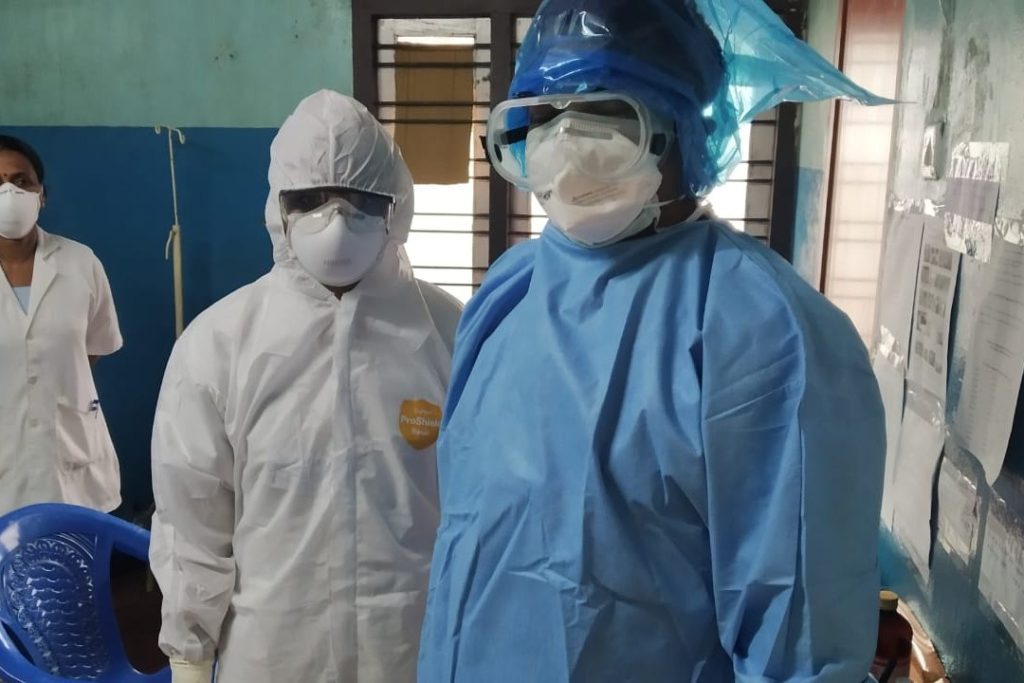
Most studies involve military personnel. The U.S. Department of Veterans Affairs uses the term for veterans who witnessed or took part in combat actions that went against their moral beliefs. But researchers have also looked at prison officers, humanitarian aid workers, human trafficking survivors, people involved in accidents and people who have been raped or abused. Healthcare workers, especially during the COVID-19 pandemic, are a major group.
A 2023 paper in the Journal of Healthcare Leadership found that healthcare workers meet potentially morally injurious events more often in their day-to-day work than people in other occupations, the military included. The paper pointed to chronic understaffing and pressure to treat large numbers of patients with limited resources. It linked moral injury to more clinician burnout and distress, more staff absences and, in turn, more understaffing. COVID-19 made all of it worse, the paper said, with little organizational support, higher patient mortality and scarce resources on the clinical front line.
The International Centre for Moral Injury describes it as “a profound sense of broken trust in ourselves, our leaders, governments and institutions.” That can leave people angry at colleagues, commanders, their organization, politics or society at large.
Not the same as moral distress
Philosopher Andrew Jameton first described moral distress in 1984, in a book on nursing ethics. In his words, it “arises when one knows the right thing to do, but institutional constraints make it nearly impossible to pursue the right course of action.” Examples in healthcare include a nurse who cannot challenge a senior physician’s decision, a necessary treatment that is banned by law, and triage in which some patients will die.
Put simply, distress is being blocked from doing right. Injury is the lasting damage that can follow.
What helps
The field is young. As of 2017, no systematic reviews or meta-analyses of moral injury existed, though literature reviews of its definitions had been done.
The 2023 paper suggests two kinds of protection. Before exposure, workplaces can treat these events like any other occupational hazard. Afterward, workers can talk through what happened in peer support groups or with spiritual advisors. Where moral injury goes along with mental illness, the authors point to talking therapies built on trauma-focused and compassion-focused approaches.
Anyone carrying this kind of weight should not wait it out alone. Consult your doctor for medical advice.
Sources
- Moral injury – Wikipedia
- Moral Injuries in Healthcare Workers: What Causes Them and What to Do About Them?




