
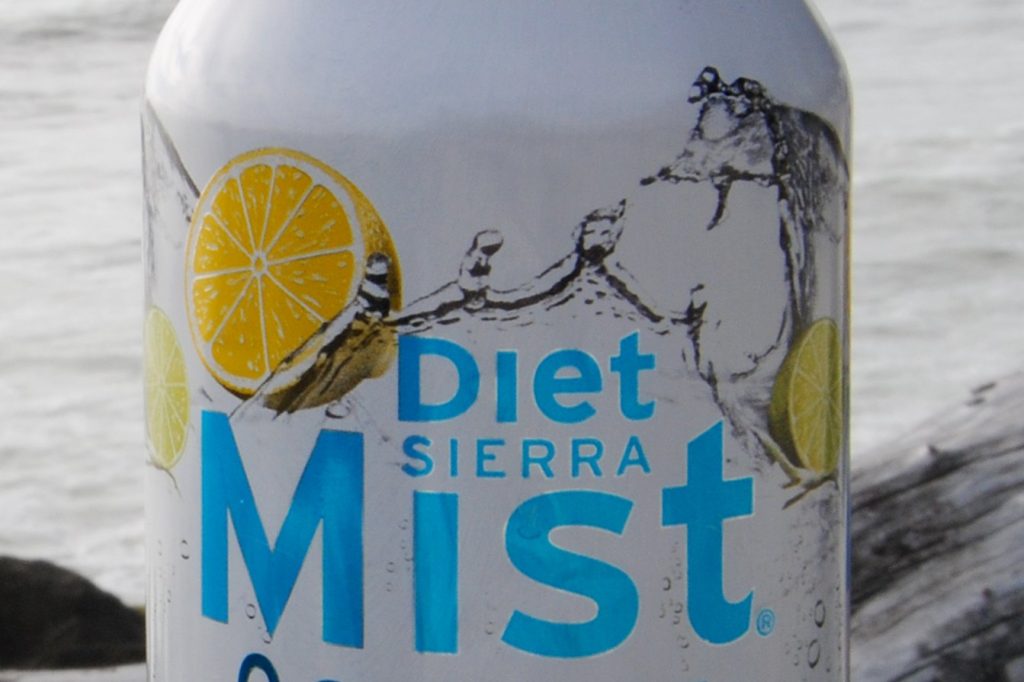
Two years of daily drinking, and the people sipping diet soda lost 4.8 kg on average. Those drinking plain water lost 3.7 kg. The gap was too small to count as a real difference.
That is the headline result from SWITCH, a randomized trial run by researchers at the University of Liverpool and published in the British Journal of Nutrition. It followed 493 adults with overweight or obesity, all of them in a structured behavioral weight management program. Each person was assigned to drink either water or a commercially available diet beverage every day. The sweeteners were aspartame, acesulfame potassium and sucralose, consumed well within the safety limits set by the European Food Safety Authority.
What the numbers showed
Both groups kept their weight down for the full 104 weeks, including the final year, when the program no longer gave them any help. Waist and hip measurements shrank in both groups. So did several metabolic markers, and body composition improved. The team found no clinically meaningful difference in blood pressure or cholesterol between the groups. Sugar intake fell for everyone, a little more among the diet-drink drinkers.
For families worried that a daily diet soda quietly sabotages a diet, that matters. The old fear is that artificial sweeteners stoke appetite or drive weight gain. The researchers say their data do not support it.
A challenge to WHO advice
The World Health Organization recently advised against using non-sugar sweeteners to control weight, citing uncertainty in observational research. Professor Joanne Harrold, Dean of Psychology at Liverpool, who led the work, said the findings show that concerns about appetite and weight gain “are not supported when tested in a rigorous, long-term randomized trial.” She added: “We hope this evidence informs future WHO guidance and public health policy.”
Professor Jason Halford of the University of Leeds, formerly of Liverpool, co-led the study. “This study provides the long-term clinical evidence that has been missing from international discussions,” he said. For people trying to manage their weight, he said, diet drinks offer an effective alternative to sugar-sweetened ones and perform equivalently to water over two years.
The trial builds on earlier SWITCH findings published in the International Journal of Obesity in 2023. The American Beverage Association funded it. The researchers say the team worked independently of the funder and kept full control of the analysis and reporting.
Sources
- Diet drinks work as well as water for weight loss, major trial finds
- University of Liverpool study tracks long-term impact of non-nutritive sweetened soft drinks




