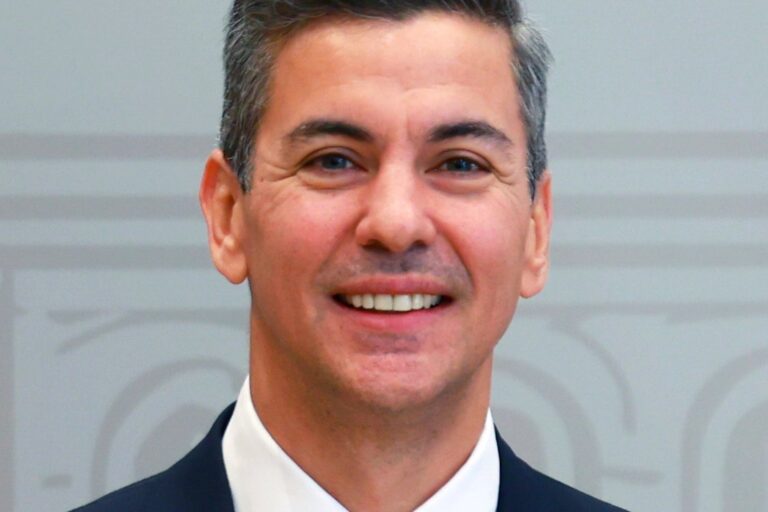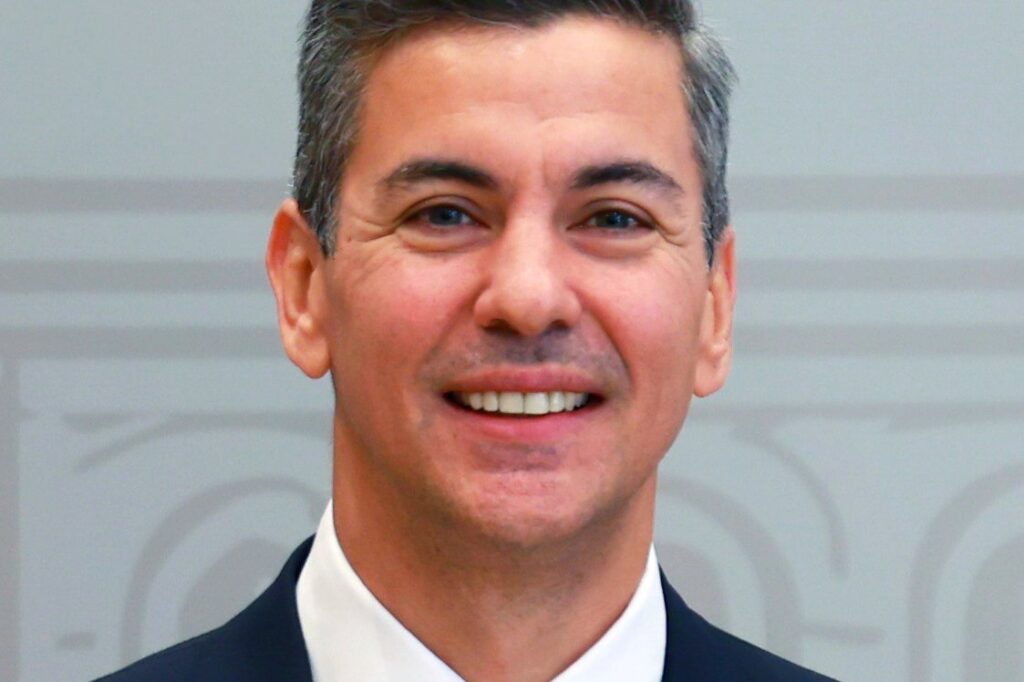
ASUNCIÓN, November 9, 2026 — Paraguay’s President Santiago Peña was impeached, removed from office and charged with criminal breach of trust within five days of the Central Bank’s seizure of Ueno Bank, the digital lender that held deposits for roughly 60 percent of the country’s adult population. The cascade began with a regulatory intervention on Tuesday, November 3, and ended with Peña detained at a military base by Saturday, November 8, while prosecutors investigate the placement of $850 million in public funds at the failed institution.
The Mechanics of the Collapse
Ueno Bank grew from an obscure finance company to a household name in under five years, propelled by a youth-friendly app, cash-back incentives and a sponsorship of the national soccer team. By the time regulators intervened on Tuesday, the bank claimed 2.9 million customers — roughly 60 percent of Paraguay’s adults — though the Central Bank counted approximately 1.8 million depositors. The institution held $850 million in public funds, according to the Central Bank. On November 3, regulators froze accounts citing breaches of minimum solvency requirements, cutting off access for millions who used the platform for daily expenses such as bus fare and groceries.
The freeze triggered immediate protests in Asunción. By Saturday, the state deposit guarantee fund had advanced payments to nearly 1.2 million customers, covering deposits up to $37,000 per account. Yet the speed of the political unraveling suggested the crisis was never merely about liquidity.
Follow the Money: The Peña–Grupo Vázquez Link
The catch is the president’s proximity to the bank’s ownership. Peña previously held a stake in Grupo Vázquez, Ueno’s parent company, until selling his shares in 2025. Lawmakers alleged he used his political influence to steer hundreds of millions in public funds toward Ueno while regulators overlooked risky insider lending. Peña denied wrongdoing, apologizing in a Thursday video address for failing to prevent the crisis but accepting no personal blame.
Prosecutors saw it differently. On Saturday, Chief Prosecutor for Corruption and Economic Crimes Nancy Salomón charged the ousted president with breach of trust and administration for personal gain, crimes carrying up to 20 years in prison. Judge Humberto Otazu ordered Peña detained at a military base to guarantee his compliance with the investigation. Former Central Bank chief Carlos Carvallo was also arrested; he had resigned earlier in the week.
The Party Fractures
The Colorado Party has governed Paraguay for most of the period since the return to democratic rule in 1989. Its internal discipline held until former President Horacio Cartes, the party’s powerful leader, withdrew support for Peña. That single move triggered a party-wide revolt. By Thursday morning, both main Colorado factions in the lower house pledged to back impeachment. The vote was 78–0.
Peña resigned on Friday, November 7, but Congress refused to accept the resignation, insisting on an impeachment trial to strip him of the lifetime Senate seat and legal immunity that accompany a normal presidential exit. The Senate removed him in a unanimous vote later that night. Vice President Pedro Alliana assumed the presidency and began naming a new Cabinet on Saturday.
What It Means for the Financial Architecture
Paraguay had spent years cultivating a reputation as a stable, fast-growing destination for international investment, driven by beef and soybean exports and the Itaipu Dam’s hydroelectric revenue. The crisis threatens that credibility. As one regional analyst wrote in Americas Quarterly, the implosion puts at stake “the credibility of a country that has spent years trying to establish itself as a stable, reliable destination for international investment.”
The Attorney General has ordered three criminal investigations into the bank’s collapse, including its regulatory oversight and the placement of public funds in the institution. Eight Ueno executives have turned themselves in on arrest warrants. For the 1.8 million depositors counted by the Central Bank, the immediate question remains access to their money; for the political system, the question is whether the Colorado Party can survive the exposure of its mechanics.
Sources
- How a bank collapse left millions in limbo and toppled Paraguay's president
- Paraguay
- Paraguay resumes Pena impeachment proceedings as financial crisis deepens
- Paraguay President Santiago Peña resigns following bank collapse
- Paraguay’s ousted president charged with crimes linked to collapse of major bank | Hot Springs Sentinel Record
- Paraguayâs bank collapse hits millions
Photo: Presidencia de la República del Ecuador (Public domain)