
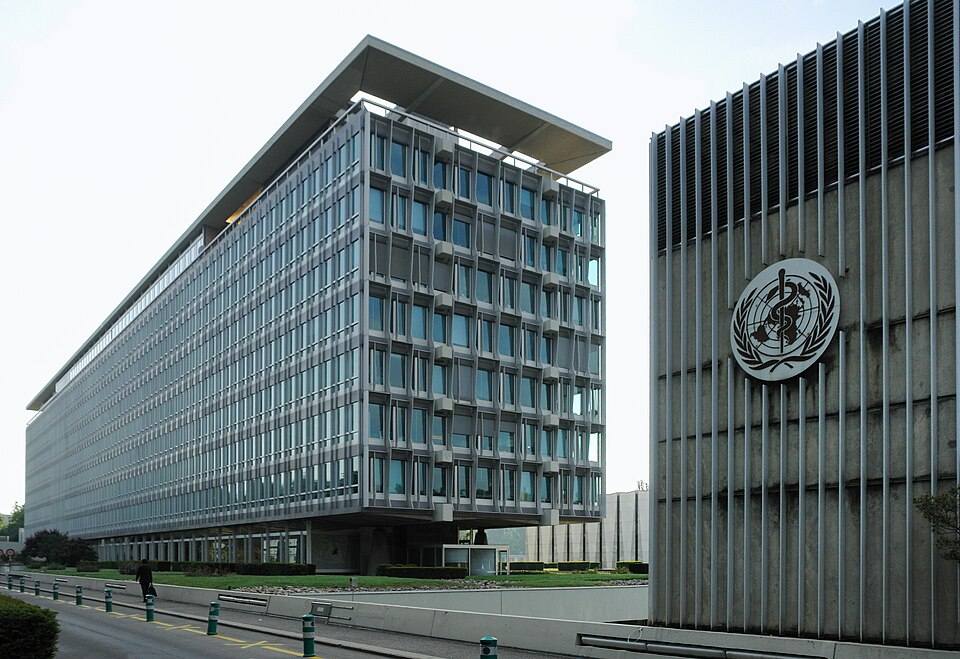
The World Health Organization is monitoring nine distinct versions of the SARS-CoV-2 virus as of June 25, 2025. Some of these versions spread more quickly than others, some may cause more severe illness, and some could reduce the protection offered by existing vaccines.
One of the nine, designated JN.1, has been classified as a “variant of interest.” This label indicates that the variant has been detected in multiple countries or regions and possesses the potential to continue spreading. The WHO uses this classification to prioritize where public health resources should be directed, and a variant of interest receives closer scrutiny from governments and health agencies that adjust their responses accordingly. The remaining eight variants are placed in a lower tier called “under monitoring.” Their specific lineage names are KP.3, KP.3.1.1, JN.1.18, LP.8.1, NB.1.8.1, XEC, and XFG.
So far each of these has been identified only in limited geographic areas, but they all exhibit genetic signals that suggest they could become more transmissible or more dangerous. The WHO has not issued an alarm for any of these variants; it continues to watch them closely.
Why the Classifications Matter
The practical effect of the WHO’s variant designations is straightforward. Public health authorities rely on them to decide when to issue travel advisories, when to recommend updated vaccine formulations, and when to expand genomic surveillance efforts.
Hospitals use the information to prepare for possible patient surges, while drug manufacturers consult the list to determine which variants to target in the development of next‑generation treatments. Each designation carries weight because it can trigger funding decisions, policy shifts, and public communication campaigns. The agency’s stated goal is to stay ahead of the virus rather than simply react after changes have taken hold.
Biological Risks Associated with Variant Changes
Genetic alterations in SARS‑CoV‑2 can affect the virus in three primary ways. First, changes may increase transmissibility, meaning more people become infected in a shorter time frame.
This can lead to crowded hospitals, higher rates of worker absenteeism, and disruptions to supply chains. Second, the same mutations can boost virulence, causing the disease to become more severe for those who contract it. Greater severity translates into increased demand for intensive‑care beds, oxygen therapy, and a higher risk of death.
Third, certain variants can evolve to evade the immune protection generated by vaccination or prior infection. When vaccine effectiveness is reduced, the immunity that millions depend on weakens, potentially necessitating redesigns of booster campaigns.
Older adults and immunocompromised individuals face the greatest risk from these developments.
WHO’s Ongoing Monitoring Process
The WHO has been tracking the evolution of SARS‑CoV‑2 since the virus first emerged. Variants are classified based on genetic changes that virologists deem significant enough to warrant separate labels. Not every mutation alters the virus’s behavior; some have no measurable impact, while others shift how the virus spreads, how sick it makes people, or how well vaccines work.
JN.1 earned its “variant of interest” status because it has appeared in enough locations and carries enough concerning genetic changes to merit attention. The seven variants under monitoring have not yet reached that threshold, but they could do so as more data accumulate.
The list of tracked variants is dynamic; lineages can be promoted, downgraded, or removed as new information becomes available.
Current Situation and Outlook
As of June 25,




