
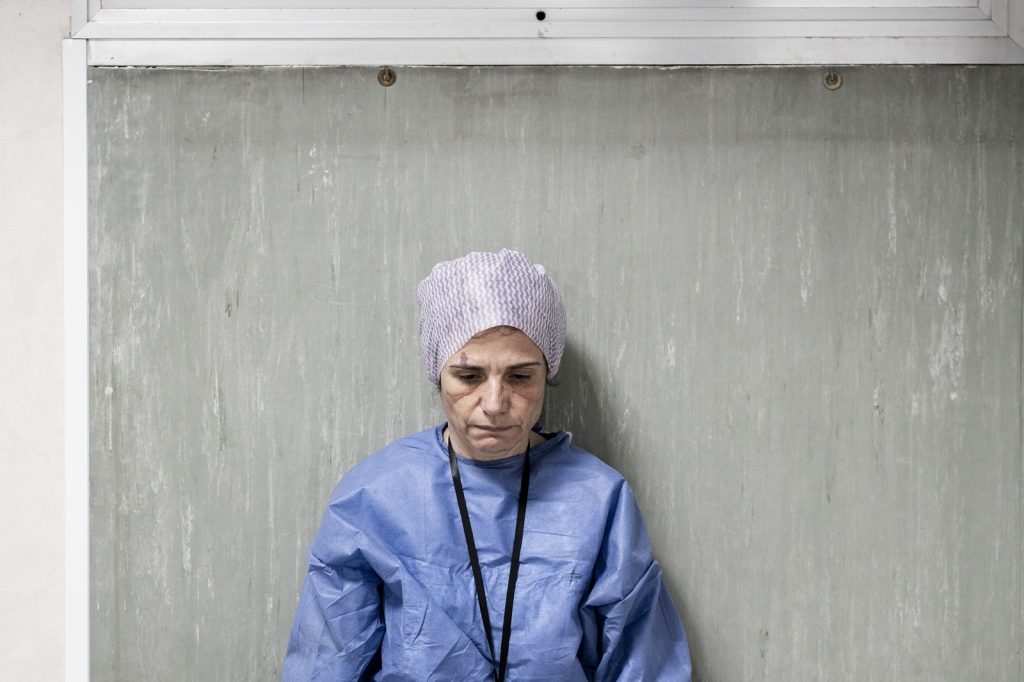
Think of a health system as a building with nurses as the load-bearing walls. Take a few out and the whole structure carries more weight than it was designed for. On April 7, 2020, as COVID-19 dominated the headlines, the World Health Organization put a number on how many walls are missing: 5.9 million.
That is the global nursing shortfall in a new WHO report produced with Nursing Now and the International Council of Nurses. Just under 28 million nurses work worldwide. Their ranks grew by 4.7 million between 2013 and 2018, and the gap remains. Together they account for over half of the world’s health workers.
“Nurses are the backbone of any health system,” said WHO Director-General Tedros Adhanom Ghebreyesus. Many of them, he added, were by then on the front line against the virus.
Where the gaps are
The shortage is lopsided. The biggest gaps sit in Africa, Southeast Asia, the WHO’s Eastern Mediterranean region and parts of Latin America. Over 80 per cent of nurses are concentrated in countries home to just half the global population. One nurse in eight works abroad, outside the country where they were born or trained, and Mary Watkins, a Nursing Now co-chair of the report, said many richer countries do not train enough nurses for their own needs and lean on migration, which deepens shortages in poorer ones.
Age adds pressure. One in six of the world’s nurses is expected to retire within ten years.
Fear on the wards
Howard Catton, chief executive of the ICN, told a virtual briefing that rates of infection, drug errors and mortality “are all higher where there are too few nurses.” Shortages, he said, “exhaust our current nursing workforce.”
The pandemic made that worse in a specific way. Watkins urged immediate spending on virus testing for health workers, because so many were staying home. “We have a very high proportion of healthcare workers not going to work because they’re afraid that they’ve been infected and that they can’t prove that they have not got the infection,” she said. In plain terms: without a test, a worker cannot show she is clear, so she cannot safely return.
Catton gave figures from the front. In Italy, he said, 23 nurses had died, and he cited figures pointing to roughly 100 health-worker deaths worldwide. Reports put nine percent of health workers in Italy as infected, with rates of up to 14 percent in Spain. He also described attacks on health workers as “completely unacceptable and reprehensible,” blaming ignorance about their work and too little protection from governments.
What the report asks for
To close the gap, the report estimates that countries with shortages must raise the number of nurse graduates by 8% a year on average, while making sure those nurses can find jobs and stay in them. The cost works out to roughly USD 10 per capita per year. Its recommendations include more funding to educate and employ nurses, better data on the health workforce, careful monitoring of nurse migration and leadership posts such as a government chief nurse.
About 90 per cent of nurses are women, yet most senior health leadership jobs are held by men. ICN President Annette Kennedy said politicians understand what it costs to educate and keep a professional nursing workforce, “but only now are many of them recognizing their true value.”
Sources
- WHO and partners call for urgent investment in nurses (WHO)
- World short of six million nurses: WHO (AFP via The Daily Star)




