
“After surviving a pandemic, it is unacceptable to still have 7 million preventable deaths and countless preventable lost years of good health due to air pollution.” Dr. Maria Neira, who heads the World Health Organization’s department of environment, climate change and health, said that on Monday, as the agency released new air quality figures. Her next line was a rebuke: “Yet too many investments are still being sunk into a polluted environment rather than in clean, healthy air.”
The numbers behind her words are stark. The WHO said 99% of the global population breathes air above its limits. Air quality is poorest in the Eastern Mediterranean and Southeast Asia regions, with Africa next.
The update to the WHO’s air database came about six months after the agency revised its guidelines. It now covers over 6,000 municipalities, and the last version dates from 2018. For the first time, it counts ground measurements of nitrogen dioxide next to the PM2.5 and PM10 particulates it has long tracked.
What is in the air
Nitrogen dioxide comes mainly from burning fuel, car traffic above all, and is most common in cities. The WHO links exposure to asthma, coughing, wheezing and difficulty breathing, along with more hospital and emergency-room admissions. The highest concentrations were found in the eastern Mediterranean region.
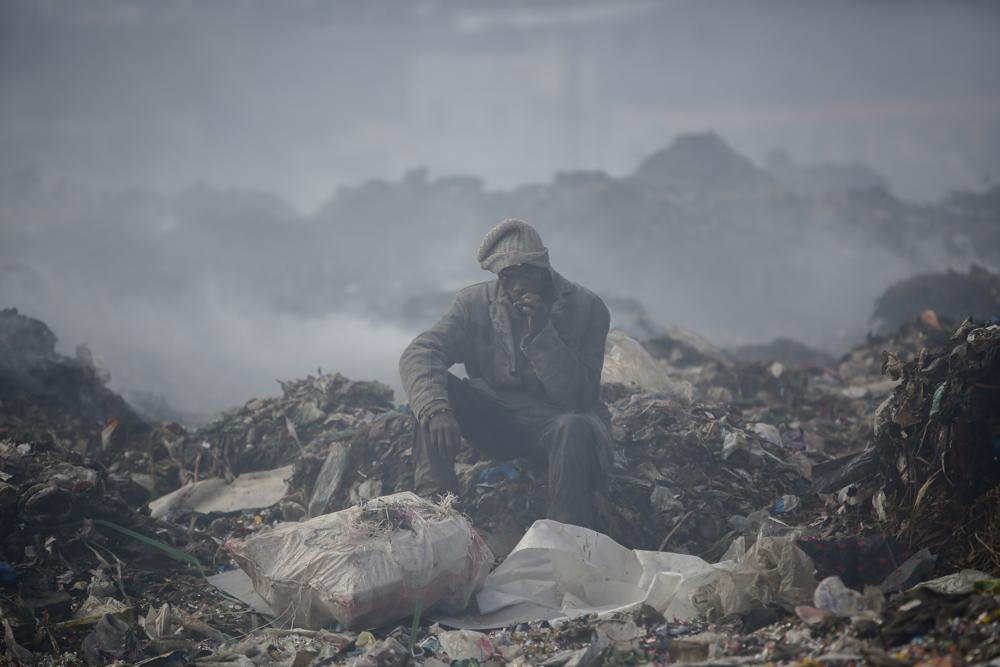
Particulate matter has more sources: transportation, power plants, agriculture, waste burning, industry and natural desert dust. The database showed India with high PM10 levels and China with high PM2.5. The WHO says PM2.5 in particular can travel deep into the lungs and enter the bloodstream, causing cardiovascular, stroke and respiratory harm.
Voices from New Delhi
Anumita Roychowdhury, an air pollution expert at the Center for Science and Environment, a research and advocacy group in New Delhi, said the findings show how big the needed changes are. India and the world, she said, should brace for them. Her list: electric vehicles, a move off fossil fuels, a massive scale-up of green energy and separating types of waste.
A study by the New Delhi think tank Council on Energy, Environment and Water found that more than 60% of India’s PM2.5 loads come from households and industries. Tanushree Ganguly, who heads the council’s air quality program, called for cuts in emissions from industries, automobiles, biomass burning and domestic energy.
“We need to prioritize clean energy access for households that need it the most,” she said, “and take active measures to clean up our industrial sector.”




