
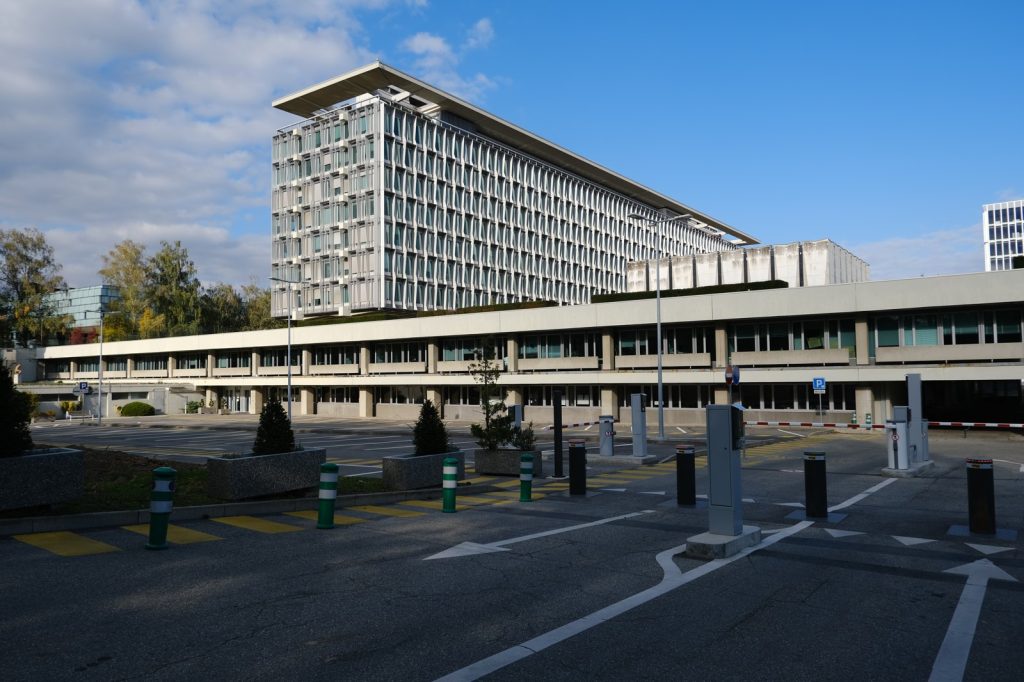
On 14 August 2024 the World Health Organization (WHO) formally classified the ongoing 2023‑2026 mpox epidemic as a public‑health emergency of international concern. The decision was grounded in stark epidemiological data that had already accumulated: more than 29 000 cases had been recorded, and the death toll exceeded 800, yielding a case‑fatality ratio close to 3 %. These figures represent only the cases that have been documented.
The European Centre for Disease Prevention and Control (ECDC) cautions that the true magnitude of the outbreak is almost certainly larger, particularly in the Democratic Republic of the Congo (DRC), where the majority of infections and fatalities have been reported. Under‑ascertainment and under‑reporting are common in regions with fragile health infrastructure, meaning the official counts should be viewed as a minimum rather than an absolute total.
The virus driving the current surge is identified as clade 1b, a sub‑lineage of clade I mpox that emerged in Central Africa around September 2023. This differs from the clade II strain that spread globally in 2022, which was associated with a milder disease course and a lower mortality rate. The roughly 3 % fatality rate observed with clade 1b is considerably higher, and in a large outbreak it translates into a rapidly growing death toll.
By issuing the emergency declaration, the WHO has activated a suite of coordinated international mechanisms. Funding streams, technical assistance, and political pressure on member states are now formally linked to the response effort.
Without such a declaration, the situation in the DRC could have remained a largely regional crisis, receiving limited attention from the broader global health community. The DRC’s health system entered the mpox surge already burdened by endemic malaria, recurring measles, cholera outbreaks, and ongoing conflict. Adding a fast‑spreading mpox epidemic compounds these challenges, creating a public‑health threat that extends beyond national borders.
The 2022 worldwide mpox spread demonstrated how an uncontrolled outbreak in one country can quickly become a global concern. Given that most confirmed cases are concentrated in the DRC, the success or failure of the response will largely be determined by actions taken there.
International support is therefore not optional; it is essential to contain clade 1b within Central Africa and prevent it from seeding new clusters elsewhere. The WHO’s declaration is intended to accelerate that support, although historical patterns show that funding delays, political hesitancy, and uneven cooperation can hinder rapid deployment. The same weaknesses that contribute to under‑reporting—limited surveillance capacity, scarce laboratory resources, and poor transport networks—also impede an effective response. Consequently, the gap between the resources required and those actually delivered may be substantial.
Moving forward, the effectiveness of the response will hinge on how seriously governments and agencies act on the WHO’s warning. While the virus itself is not new, the clade 1b variant presents fresh challenges.
Existing tools, including licensed vaccines, antiviral treatments, and established public‑health measures, are available, but they must reach the affected populations promptly. The DRC cannot achieve this alone. In summary, the 29 000 reported cases constitute a floor for the outbreak’s true size; the unrecorded infections represent the larger, more uncertain risk.
The WHO’s emergency declaration aims to bridge the gap between need and action, but its ultimate impact will depend on the speed and scale of the international response.




