
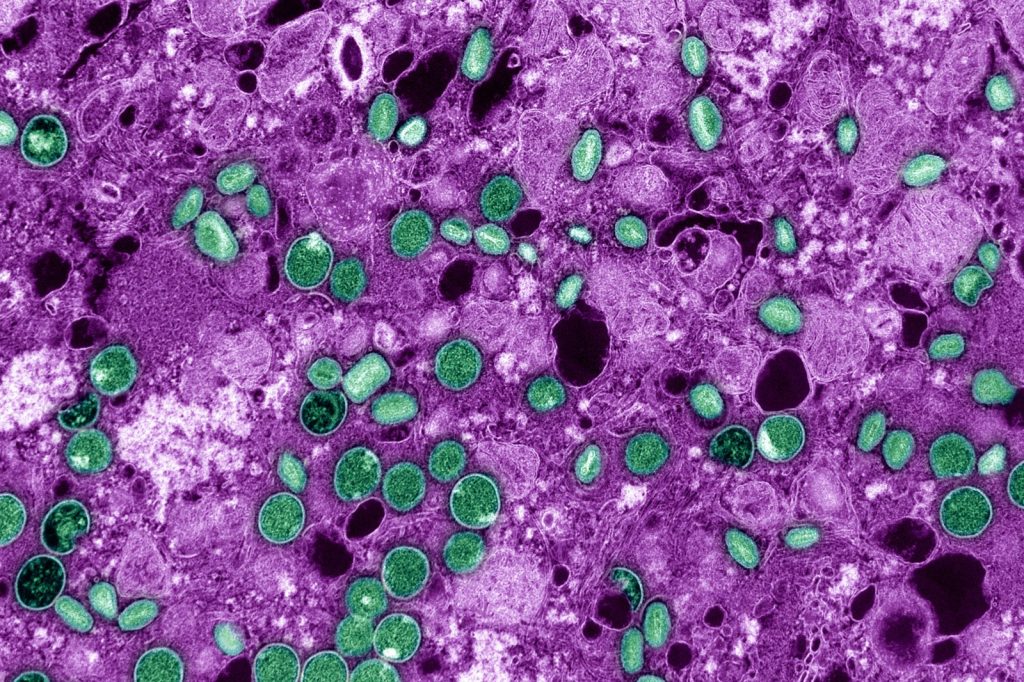
Overview of the Ongoing Mpox Outbreak
The mpox epidemic that began in Central Africa in September 2023 is driven by a newly identified variant of clade I, designated clade 1b. Since its onset, health authorities have recorded more than 29 000 confirmed cases and over 800 deaths, yielding a case‑fatality ratio of roughly three percent. The Democratic Republic of the Congo accounts for the lion’s share of both infections and fatalities.
Reporting Gaps and Their Consequences
The European Centre for Disease Prevention and Control has warned that the true scale of the outbreak may exceed the reported numbers because of under‑ascertainment and under‑reporting. These gaps hinder accurate surveillance, especially in settings where health infrastructure and resources are limited. Incomplete data can distort risk assessments, complicate resource allocation, and weaken the overall response.
WHO’s Emergency Declaration
On 14 August 2024 the World Health Organization declared the mpox epidemic a public health emergency of international concern. The announcement signals the potential for the virus to move beyond the current hotspots and stresses the need for a unified, cross‑border effort.
It serves as a call to governments, international agencies, and other stakeholders to coordinate actions aimed at curbing transmission and lessening the outbreak’s impact.
Strain on the Democratic Republic of the Congo’s Health System
Because most cases are concentrated in the Democratic Republic of the Congo, the country’s health services face an added burden on top of existing challenges from other disease outbreaks. Strengthening local capacity will rely heavily on external assistance; the international community’s support is viewed as essential for helping the DRC manage the epidemic and prevent further spread.
Timing of the International Response
The fact that the outbreak has been persisting since at least September 2023 raises questions about how quickly the global reaction was mobilized. Some analysts suggest that the delay in issuing the PHEIC may have allowed the virus to circulate more widely.
Nevertheless, the WHO’s emergency declaration is regarded as a pivotal step toward marshalling a coordinated response and securing the necessary funding, vaccines, and technical expertise.
Monitoring and Future Actions
As the situation continues to evolve, vigilant tracking of case numbers, vaccination roll‑outs, and preventive measures will be critical. Effective containment depends on the ability of health authorities to share information, pool resources, and work together with affected communities.
Looking ahead, a sustained, collaborative approach involving governments, health organizations, and local populations is seen as the key to bringing the epidemic under control and reducing the likelihood of similar events in the future.




