
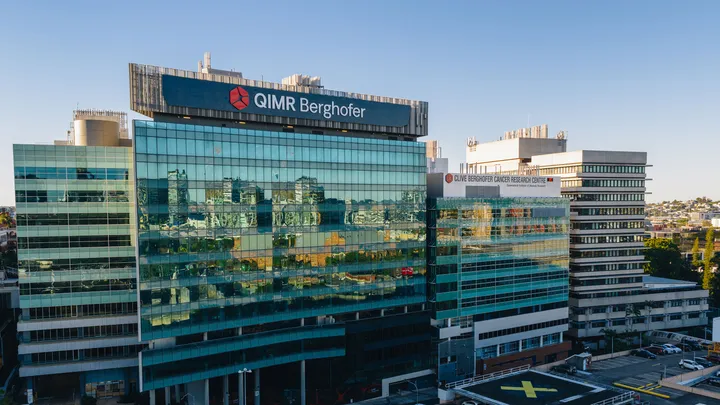
Of 40,388 Queenslanders followed for an average of 8.5 years, 71 per cent used at least one skin cancer service. That is the headline finding of a QSkin study from QIMR Berghofer Medical Research Institute and Cancer Council Queensland, published in the Australian and New Zealand Journal of Public Health.
The participants were aged 40 to 69 at recruitment in 2011. Researchers matched their records against the Medicare Benefits Schedule, the Pharmaceutical Benefits Scheme and Queensland hospital admissions. Together they used almost 246,000 skin cancer services. Government spending came to about $43.1 million, or 2.4 per cent of total health service costs for the group, and patients paid a further $5.8 million out of pocket.
More than a third of participants had one or more non-melanoma skin cancers cut out, and 51 per cent had more than one skin biopsy. Five per cent had a melanoma excised. Eight per cent were hospitalised. Another 29 per cent used no skin cancer services at all.
Where the money goes
Excisions of keratinocyte cancers were the largest single cost, at 44 per cent of government spending and 41 per cent of out-of-pocket costs. Melanoma excisions cost the government just over $1 million. Hospital care made up only 2 per cent of services but 43 per cent of total costs.
The authors left out GP and specialist consultations because they could not reliably separate skin check visits, so the true bill is probably higher. They also noted the group included very few patients with advanced melanoma.
Scaling the results to the two million Queenslanders aged 40 to 69 in 2025, the researchers estimate about 1.49 million procedures a year, costing hundreds of millions of dollars.
Heavy users and the researchers’ response
The top 10 per cent of users, 4,167 people, used 16 or more services. They were more likely to be older, male, less educated and privately insured, and to have several other health conditions. A family history of melanoma, 50 or more sunburns as an adult, and many moles and freckles at age 21 were strongly linked to heavy use.
Senior author David Whiteman said he was shocked by the “sheer scale of use of health services.” He called the study a “wake-up call to say we can’t sleep on skin cancer. It costs an awful amount of money, it causes a lot of suffering, and it’s largely preventable.”
Lead author Daniel Lindsay, an economist with Cancer Council Queensland, said prevention campaigns are the most cost-effective way to ease costs. He also pointed to TikTok influencers promoting tanning, which he fears could lift skin cancer rates in future.
Professor Whiteman said Queensland’s skin cancer rates sit about 60 per cent above the national average. “You could probably reduce skin cancer costs by somewhere between 60% and 70%, and you’d be getting closer to the national average,” he said. He also raised overdiagnosis: “Possibly 20 or 25% of melanoma diagnoses might be reflecting overdiagnosis.”
He said medical students and GPs must be trained properly in diagnosis because “they’re at the coal face.” Biopsies and management are fully funded under the MBS, but there is no item number for a dedicated screening check. A national skin cancer and melanoma screening program is now underway.
Vinod Gopalan, of Griffith University, welcomed the work because it did not look at melanoma alone. “Non-melanoma skin cancers are much higher in number,” he said.
Consult your doctor for medical advice.
Sources
- 'Wake-up call': Research reveals Queensland's skin cancer burden
- QSkin study reveals skin cancer cost blowout – Oncology Republic
Sources
- 'Wake-up call': Research reveals Queensland's skin cancer burden
- QSkin study reveals skin cancer cost blowout – Oncology Republic




