The UN General Assembly voted 153 to 3 on Monday to adopt a political declaration on pandemic prevention, preparedness and response. Argentina, Israel and the United States voted no. New Zealand and Paraguay abstained.
It was meant to be a formality. Delegates at a high-level meeting on 25 September were supposed to approve the text by consensus. Objections from Washington and a few other capitals blocked that, and the question went back to the full assembly. The US representative had pointed to “divisive ideologies that lack definitional consensus” and to the way the text refers to annex negotiations that are still running.
Chile’s representative put the majority view this way: “no country, no matter how big it might be or how prepared it might be, can alone address a threat that knows no borders.”
The declaration is political and not binding. It asks countries to cooperate more closely at home, across regions and worldwide, says the response should rest on science, fairness and human rights, and welcomes the WHO Pandemic Agreement adopted last year.
The annex that is holding things up
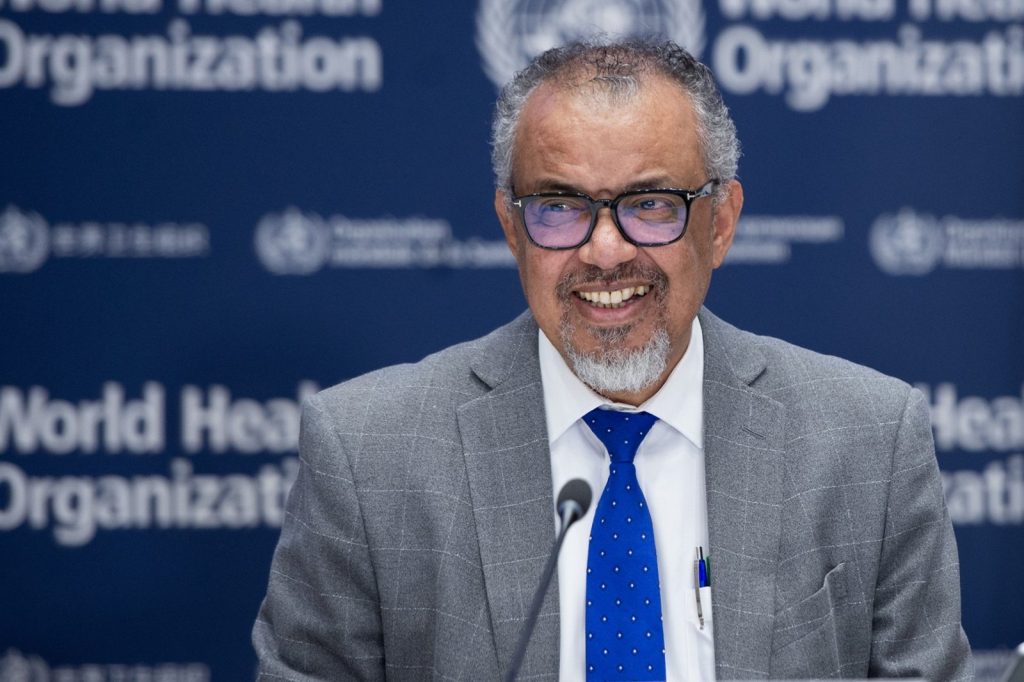
World Health Organization chief Tedros Adhanom Ghebreyesus welcomed the vote, then used it to press for something else. “The world has come a long way since COVID-19,” he said, and he urged governments to finish the annex on pathogen access and benefit-sharing, known as PABS.
Until that annex exists, the Pandemic Agreement cannot be opened for signature, let alone ratified or brought into force as international law. The annex would set up a system for countries to share pathogen samples and genetic data. Countries that take part would get a portion of any vaccines, treatments and diagnostics that come out of it.
Talks have stalled. Developing countries sit on one side; some high-income European nations and the US sit on the other. The World Health Assembly, which brings together WHO’s 194 members, is due to return to the annex next May.
The assembly’s Monday agenda also included draft resolutions on sea level rise and on the 25th anniversary of the Durban Declaration against racism.
Separately, WHO launched a five-year strategy for its Hub for Pandemic and Epidemic Intelligence on the same day. The hub was set up in 2021, during COVID-19, and its goal now is to detect emerging health threats within 24 hours.