
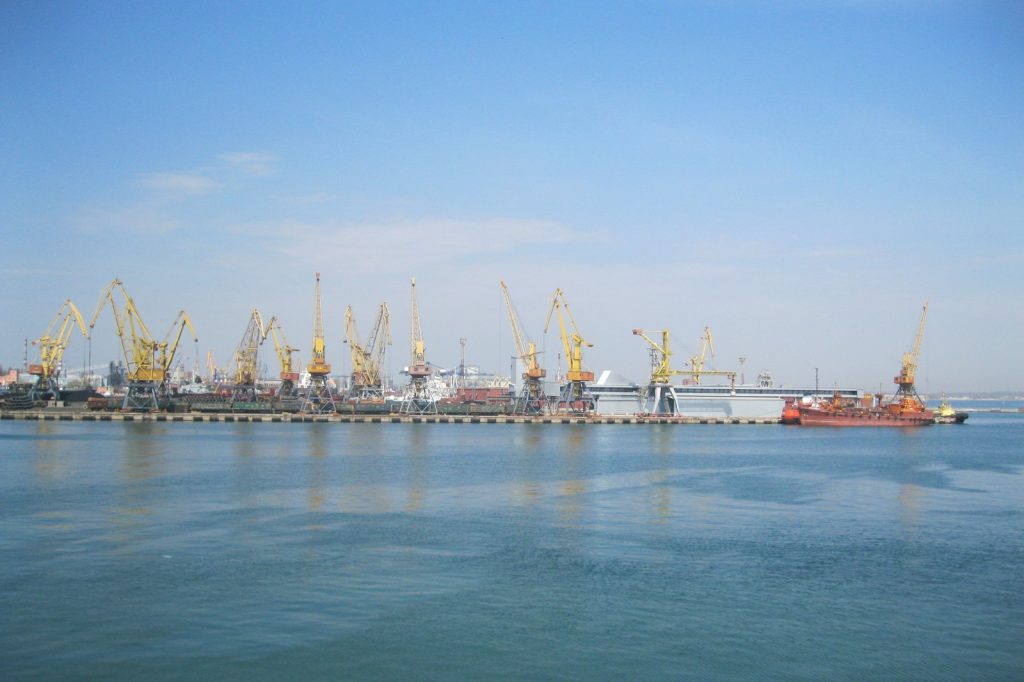
On July 17, 2023, the day the Black Sea Grain Initiative was due for renewal, Russia told Turkey, Ukraine and the United Nations it would not sign an extension. The arrangement, mediated by the UN and Turkey a year earlier, had let Ukraine ship grain through three Black Sea ports. By the UN’s count, over 32 million metric tons of grain and other food had gone out.
Kremlin spokesman Dmitry Peskov gave the reason in a single line: “the part of the Black Sea agreements concerning Russia has not been implemented so far.” Moscow had spent months complaining that the portions of the deal covering Russian food and fertiliser exports were not being honoured.
What the deal delivered
The figures the UN published are specific. Cargoes reached 45 destination countries on three continents. China took 8 million tonnes, Spain 6 million and Turkey 3.2 million, according to Agriland’s account. The World Food Programme moved more than 725,000 tonnes of wheat to Afghanistan, Ethiopia, Kenya, Somalia, Sudan and Yemen. UN Secretary-General António Guterres said the arrangement had helped cut global food prices by over 23 percent since March 2022.
The record also shows the corridor was already narrowing. Exports peaked at 4.2 million tonnes in October 2022 and fell to 1.3 million in May 2023. Guterres attributed the drop to a slower pace of inspections and the exclusion of the Yuzhny (Pivdennyi) port. He had written to President Vladimir Putin with a proposal aimed at the hurdles Russia raised over financial transactions through its agricultural bank.
Reaction
Guterres said the decision “will strike a blow to people in need everywhere.” He called the agreement a lifeline for global food security. Before the full-scale invasion, Ukraine usually supplied the world with 45 million tons of grain a year, according to the Kyiv Independent’s report.
European Commission president Ursula von der Leyen “strongly condemned” the move and said the EU’s Solidarity Lanes would keep carrying agricultural products out of Ukraine.
Strikes on Odesa
The fighting did not wait. AFP reported that Russian strikes hit Odesa for a third consecutive night by July 20, wounding at least 20 people in Odesa and Mykolaiv. Kyiv said an earlier round of overnight strikes destroyed 60,000 tons of grain meant for export, and President Volodymyr Zelensky accused Moscow of deliberately targeting the supplies. Wheat prices rose sharply on the European exchange.
Moscow also said it would treat cargo ships heading to Ukraine through the Black Sea as potential military targets. A senior U.S. security official told AFP that Russia was considering attacks on civilian ships and might blame Kyiv. National Security Council spokesman Adam Hodge said Washington believed Russia had laid additional sea mines on the approaches to Ukrainian ports.
The ports that once cleared the grain were now under fire, and the agreement that had covered them lapsed on the day it expired.
Sources
- Russia withdraws from Black Sea Grain Initiative (Agriland)
- Guterres: Russia's pull-out of grain deal 'will strike a blow to people in need everywhere' (Kyiv Independent)
- Russia Hits Ukraine's Odesa for Third Night After Grain Deal Exit (The Moscow Times / AFP)




