
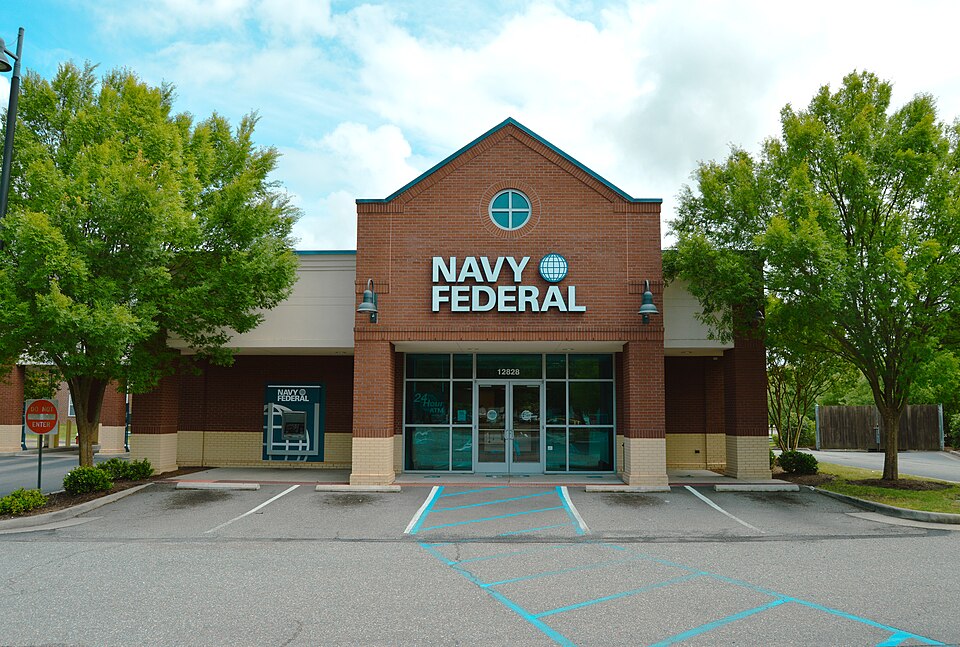
WASHINGTON, October 1 — Navy Federal Credit Union, the financial cooperative serving military personnel, veterans, and their families, leads the list of the largest credit unions in the United States, according to Bankrate’s article “The 10 largest credit unions in the US.” Credit unions, member-owned financial institutions offering savings accounts, checking accounts, loans, and credit cards, operate under the National Credit Union Administration (NCUA). They often provide lower fees and better rates than traditional banks.
The largest credit unions collectively manage hundreds of billions of dollars in assets and serve millions of members nationwide. The NCUA insures deposits up to $250,000 per account holder, similar to FDIC insurance for banks.
Membership in many of these credit unions is based on specific affiliations, such as employment, military service, or geographic location. Some have expanded eligibility in recent years. Bankrate notes that financial products featured on the page may generate fixed fees for Bankrate when users engage with offers, particularly for mortgages, home equity products, banking accounts, and credit cards.
The article serves as an informational guide for consumers seeking alternatives to traditional banking, particularly those who may qualify for credit union membership through employer, organizational, or associational ties. The content is presented as part of Bankrate’s Money & Finance section, aimed at helping users compare financial products and make informed decisions.
The Largest Credit Unions in the US
Ranked by asset size, the top 10 largest credit unions in the US, as of the article’s publication, are: Credit unions offer several advantages over traditional banks, including lower fees, better rates, and a focus on member service. They are not-for-profit institutions, meaning any profit is returned to members in the form of lower fees, higher savings rates, and lower loan rates. In recent years, some credit unions have expanded eligibility to include a wider range of members.
For example, PenFed Credit Union, the third-largest credit union in the US, allows membership for anyone who joins the Coast Guard Foundation, an organization that supports the Coast Guard and its families. As consumers continue to seek alternatives to traditional banking, credit unions will likely remain a popular choice for those who qualify for membership.
The competitive landscape between credit unions and banks will continue to evolve, with both types of institutions offering attractive products and services to attract and retain customers. For those considering a credit union, it is essential to research available options, understand eligibility requirements, and compare fees, rates, and services to find the best fit.




