
There is no approved vaccine for Marburg virus disease, and no approved antiviral either. That is the starting point for Tanzania, which confirmed on 21 March 2023 that the disease had reached the country for the first time.
Here is what happened. Reports of illness and deaths came out of Kagera, in the north-west. Tanzania’s National Public Health Laboratory tested samples from eight people who had fever, vomiting, bleeding and renal failure, and the tests came back positive for Marburg. Five of the eight have died, a health worker among them. Three more are being treated. Health teams have named 161 people who had contact with the sick and are keeping watch on them.
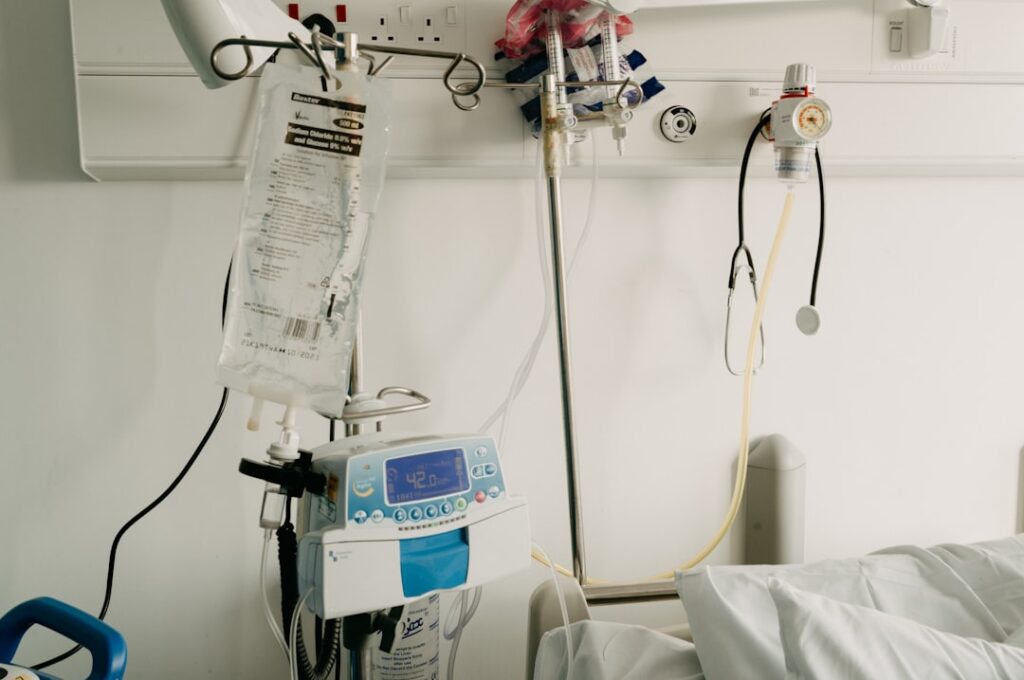
In plain terms, the practical upshot is that care is mostly supportive. Doctors replace fluids by mouth or by drip and treat individual symptoms as they come up, and the WHO says that improves a patient’s chances.
The disease
Marburg causes haemorrhagic fever and is highly virulent, with a fatality ratio of up to 88%. It is a relative of the virus that causes Ebola.
It starts suddenly: high fever, severe headache, severe malaise. Within seven days many patients are bleeding badly. The virus passes from fruit bats to people, and then from person to person through direct contact with the bodily fluids of someone infected, or through surfaces and materials those fluids have touched.
The response
The World Health Organization (WHO) is working with the Ministry of Health on an emergency team for Kagera. Its job is epidemiological investigation, with a focus on active case finding in the community and at local health care facilities. Any further contacts it turns up are to be given appropriate care.
Dr Matshidiso Moeti, the WHO’s Regional Director for Africa, said Tanzanian officials deserved credit for pinning down the cause. “We are working with the government to rapidly scale up control measures to halt the spread of the virus and end the outbreak as soon as possible,” she said.
Tanzania has never had a Marburg case, but it has handled COVID-19, cholera and dengue in the last three years. A WHO risk assessment from September 2022 placed the country at high to very high risk of infectious disease outbreaks. Moeti said the experience from those emergencies “should stand the country in good stead.”




