
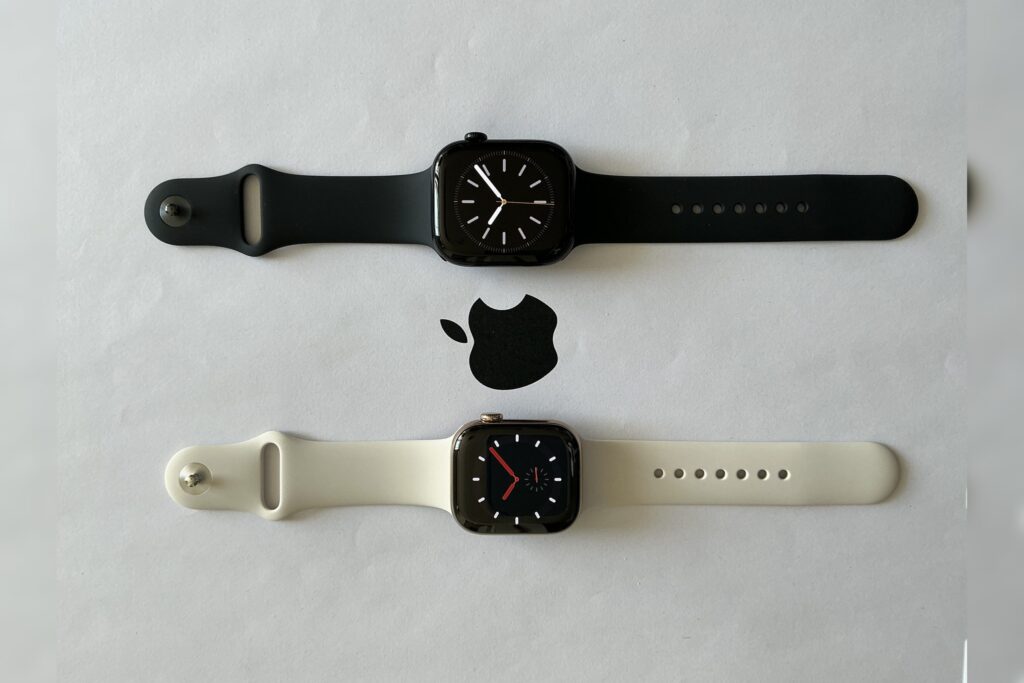
The shift is happening on your wrist: the calorie count your smartwatch flashes after a workout is probably too high. Researchers at Florida International University put four popular watches through a lab test and found typical errors of about 15% to 25%. If a watch says you burned 500 calories, the true figure could easily be closer to 350.
The team, publishing in PLOS One, tested the Apple Watch Series 8, Garmin Forerunner 955, Samsung Galaxy Watch5 and Fitbit Sense 2. They recruited 58 Hispanic adults in Miami with a wide spread of body fat percentages and skin tones. Each person rode a recumbent bike, alternating between moderate and vigorous effort, while wearing the watches. A COSMED K5 metabolic analyzer, which measures the gases a person breathes in and out through a mask, supplied the true energy figure.
Who got closest
Apple, Garmin and Samsung all overestimated, and Apple’s average error was the smallest. Garmin and Samsung overshot the most.
Fitbit was a different story. It produced implausible readings, in some sessions a single calorie for an entire workout, in others nothing at all, and in one case seven readings above 450% of the measured value. The researchers treated those as device errors and filtered them out, so the lead author says the jury is still out on Fitbit.
Body fat changes the picture
The surprise was a link between body fat and error. The higher a wearer’s body fat percentage, the worse the estimate, and that held for every device, though the size of the effect varied by brand. For some watches, errors ran from about 50% to 100% or more among participants with higher body fat. Skin tone had no significant effect under the test conditions.
The team cannot say why. Lead author Jason Kostrna, an associate professor of kinesiology and exercise science at FIU, suspects the proprietary algorithms play a role. “When the companies are developing those algorithms, we don’t know where the test data is coming from,” he said.
The weekly math is what bothers him. “You could be hundreds of calories off each week and easily end up in a calorie surplus when you think you’re in a calorie deficit,” Kostrna said. The researchers estimated that someone with 35% body fat or more who exercises four hours a week could be 1,200 to 2,400 calories off.
What to do with the number
The watches are not useless. A companion study using the same protocol found they track heart rate reasonably well, and they can also report duration, distance and pace. The researchers suggest treating the calorie figure as a ceiling, rounding down, and building in extra margin if body fat is high. They also warn against slashing food intake to compensate, since the body needs fuel to recover and train. Watching trends over time, and heart rate zones, tends to work better than any single day’s total.
Kostrna’s team is now testing how the watches handle strength training, where wrist and whole-body movement and shifting intensity may make estimates harder still.
Sources
- Your smartwatch is lying to you about how many calories you burned, FIU study finds
- The higher your body fat percentage, the less accurate your smartwatch is at measuring calories you burn when exercising – new study
- Your smartwatch may be overestimating calories burned by 25 percent




