
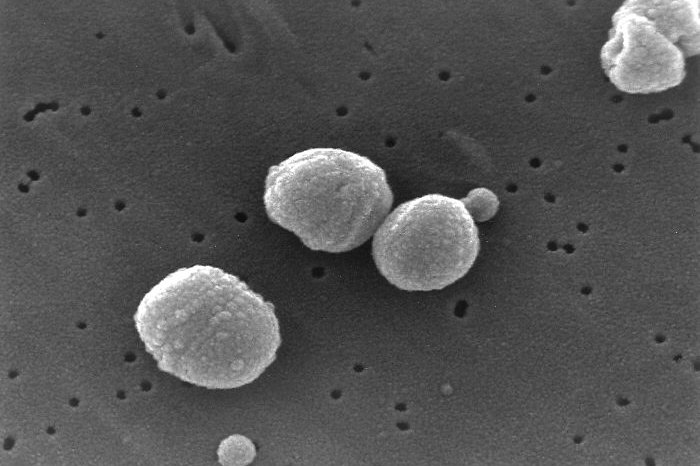
ROME, July 25 — In the corridors of microbiology, few bacteria carry as storied a past as Streptococcus pneumoniae, a pathogen that both colonises the human respiratory tract with seeming innocence and, under the right conditions, triggers some of the most devastating infections known to medicine. First isolated in 1881—independently by U.S. Army physician George Sternberg and the French chemist Louis Pasteur—this lancet-shaped diplococcus has been a silent passenger and a deadly adversary for more than a century.
Originally christened Diplococcus pneumoniae in 1920 for its characteristic paired appearance on Gram-stained sputum, the organism was reclassified as Streptococcus pneumoniae in 1974. It is a Gram-positive, spherical, alpha-hemolytic bacterium, non-motile and incapable of forming spores.
Against this backdrop of taxonomic refinement, the microbe’s true significance lies not in its name but in its behaviour: it resides asymptomatically in healthy carriers, colonising the respiratory tract, sinuses, and nasal cavity, and spreads through respiratory droplets or autoinoculation. In susceptible individuals—especially the elderly, young children, and those living with HIV—S. pneumoniae turns pathogenic, causing invasive pneumococcal diseases that range from community-acquired pneumonia and meningitis to sepsis, bronchitis, sinusitis, otitis media, and even brain abscess.
It is the leading cause of community-acquired pneumonia and meningitis in children and the elderly, and of sepsis in HIV-infected individuals.
The capsule and the century-old mystery of DNA
The polysaccharide capsule is the bacterium’s key virulence factor, with more than 100 known serotypes that vary in virulence, prevalence, and drug resistance. By blocking granulocyte access to the cell wall, the capsule inhibits phagocytosis. But S. pneumoniae holds a unique place in the history of molecular biology.
In 1928, Frederick Griffith demonstrated transformation by converting harmless pneumococci into a lethal form using heat-killed virulent bacteria in a mouse model. Sixteen years later, in 1944, Oswald Avery, Colin MacLeod, and Maclyn McCarty identified the transforming factor as DNA, not protein—a discovery that marked the birth of molecular genetics.
What is at stake in understanding this bacterium extends far beyond the clinical ward; its very genome is a closed circular DNA molecule, a testament to the fundamental nature of the hereditary material. The wider picture for clinicians and researchers alike is one of vigilance. Differentiation from other alpha-hemolytic streptococci is achieved through optochin sensitivity and bile solubility—simple tests that carry profound implications for diagnosis and treatment.
With more than 100 serotypes circulating, the challenge of vaccination and antibiotic resistance remains acute. For now, the story of Streptococcus pneumoniae is a reminder that even the smallest organisms can carry the largest lessons—about disease, about genetics, and about the unbroken thread that connects a 19th-century French chemist to the frontiers of modern medicine. Consult your doctor for medical advice.




