
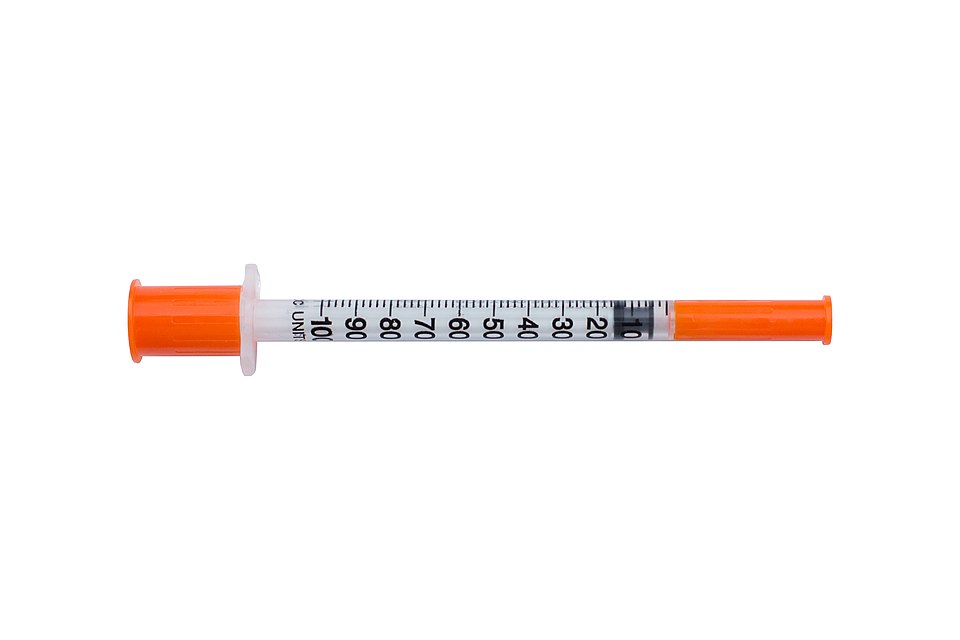
Before 1921, a diagnosis of diabetes meant a short life. Doctors had one real treatment, a very strict diet with minimal carbohydrates. It bought some patients a few extra years. Some of the diets allowed as little as 450 calories a day, and they sometimes killed patients by starvation.
The pancreas gives up its secret
The path to insulin started in 1889. Two German researchers, Oskar Minkowski and Joseph von Mering, removed the pancreas from dogs and watched the animals develop diabetes and die soon afterward. Later experimenters narrowed the search to the islets of Langerhans, clusters of specialised cells in the pancreas. In 1910 Sir Edward Albert Sharpey-Shafer proposed that a single chemical was missing in people with diabetes. He called it insulin, from the Latin word for island.
In 1921 a young surgeon, Frederick Banting, and his assistant Charles Best worked out how to extract it from a dog’s pancreas. Skeptical colleagues said the product looked like “thick brown muck”. It kept another dog with severe diabetes alive for 70 days. The dog died only when the extract ran out.
Colleagues J.B. Collip and John Macleod then helped produce a purer form, this time from the pancreases of cattle.
From a Toronto ward to the world
In January 1922, Leonard Thompson, a 14-year-old dying of diabetes in a Toronto hospital, became the first person to receive an insulin injection. Within 24 hours his dangerously high blood glucose had dropped to near-normal levels. In 1923 Banting and Macleod received the Nobel Prize in Medicine, and they shared it with Best and Collip.
Eli Lilly soon began large-scale production. Before long there was enough insulin for the whole of North America. Novo Nordisk introduced the first slower-acting insulin in 1936.
Insulin from cattle and pigs saved millions of lives for many years, but it caused allergic reactions in many patients. In 1978 the first genetically engineered “human” insulin was made, using E. coli bacteria. Eli Lilly sold the first commercially available biosynthetic human insulin in 1982 under the brand name Humulin.
Since the 1980s, recombinant DNA technology has also been used to build insulin analogs, in which the amino acid sequence is altered to give different profiles. Patients today can choose from regular human insulin to ultra-rapid and ultra-long acting forms, taken with pens or pumps. A 2021 review in Diabetes & Metabolism Journal, marking 100 years since the discovery, noted that unmet needs in insulin treatment remain and that several new forms are in development. Insulin is not a cure, as the American Diabetes Association puts it, but it saves lives.
Sources
- The History of a Wonderful Thing We Call Insulin
- A Century of Progress in Diabetes Care with Insulin: A History of Innovations and Foundation for the Future




