
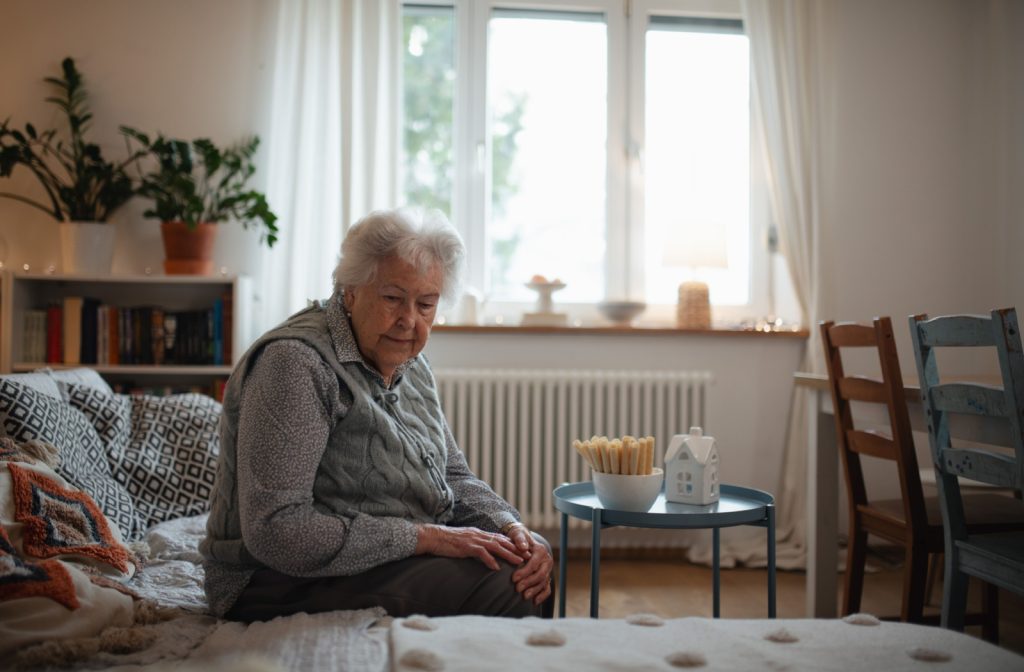
For a pensioner living alone, the cost of the bare minimum has gone from £13,400 to £13,900 a year in net income. That is £500 more, according to Pensions UK.
The group’s definition of a minimum lifestyle is modest. Groceries run to £55 a week. There is no car. The only holiday is a week in the UK, once a year, among other needs. Pensions UK says the increase reflects higher costs for food, essential household bills, transport, social activities and hobbies.
The same research puts a number on a moderate retirement for a single person: £31,700 a year net. That covers £56 a week on groceries, a small car replaced every seven years, a two-week holiday abroad at a three-star hotel, and a long weekend in the UK. Someone with a full state pension would still need at least £335,000 in a money purchase pension to get there, drawing the income from an annuity.
Couples are affected too. Their minimum annual net income is now £22,500, a 4.2 per cent rise on 2025’s £21,600.
The research also suggests most of the UK’s working population will not save enough for even a moderate standard of living in old age.
Claire Trott, Head of Advice at St. James’s Place, said none of this is a surprise. “The increases across the board of the UK Retirement Living Standards isn’t a surprise because of the ongoing cost of living increases,” she said.
“It does remind us that retirement planning isn’t a ‘once and done’ thing and needs an annual review at a minimum. This helps savers check their progress and amend their plans accordingly.”
She pointed to the value of having a plan. In St. James’s Place’s 2026 Financial Health Report, seven out of 10 people said one made them feel more confident in their financial position.




