
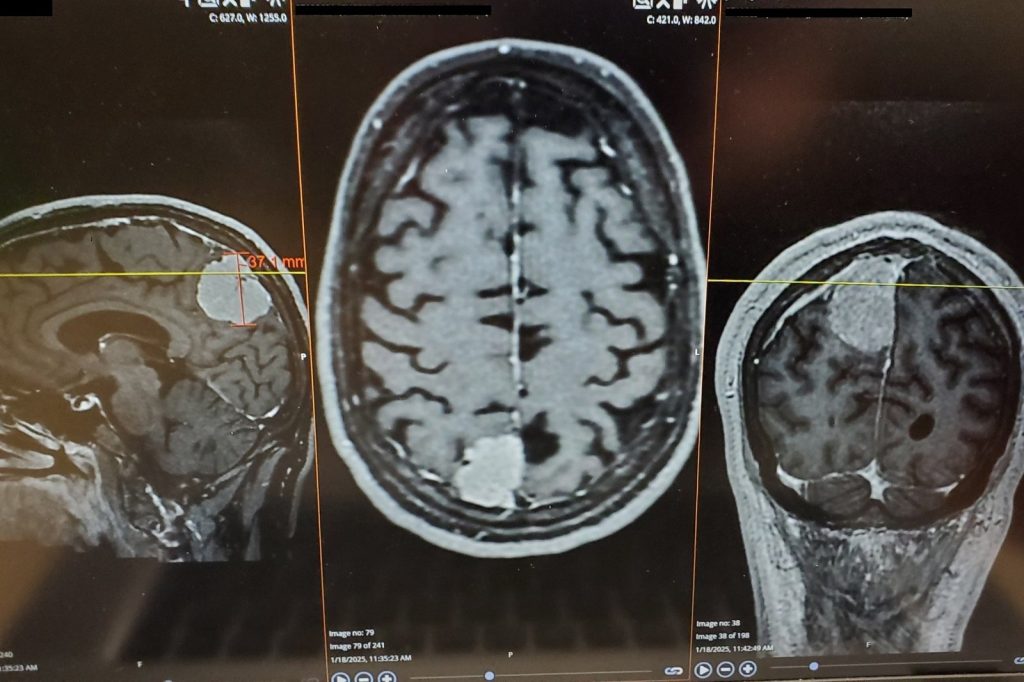
Glioblastoma kills almost everyone it touches, usually within 15 months of diagnosis, according to HDT Bio Corp. On July 12, 2026, the company said it intends to try something different against it, and it has picked Montreal as the place to do so.
In a statement, HDT Bio announced a new Canadian subsidiary, HDT Bio Canada Inc., set up to run cancer immunotherapy work through Canadian clinical development, manufacturing and regulatory channels. It has also teamed up with McGill University and The Neuro, the Montreal Neurological Institute-Hospital, to develop HDT-401, an investigational immune activator for glioblastoma that is injected locally.
What the company says so far
HDT Bio said HDT-401 has already been given to glioblastoma patients under compassionate use protocols, and that the results were encouraging enough to shape a formal Phase 1 trial. The company offered no figures from those cases. Treat the word “encouraging” as the company’s own.
The regulatory groundwork is under way. HDT Bio Canada has held a pre-Clinical Trial Application meeting with Health Canada, a required step, and said the feedback was constructive and moves the program toward a CTA submission. The trial has not yet started. The planned study will be run with Roberto Diaz, MD, PhD, of The Neuro of McGill University, alongside other clinical and scientific experts at McGill-affiliated institutions.
Diaz, who operates on these patients, was blunt about the problem. “You resect what you can. You know what remains. And you know the current tools are not enough,” he said. “This program is about changing that.”
How HDT-401 is built
The drug pairs Riboxxim, a molecule licensed from Riboxx GmbH of Dresden, Germany, with HDT Bio’s LION nucleic acid delivery platform. According to the company, LION has been evaluated in more than 6,000 patients across multiple clinical programs.
HDT-401 is designed to switch on innate immune sensing directly inside the tumor bed. The company describes the aim as turning a glioblastoma microenvironment that suppresses the immune system into one that engages it, by prompting inflammatory cytokines and drawing in immune effector cells. Giving it into the tumor or the surgical cavity is meant to concentrate that effect where it is needed.
Steven Reed, PhD, the company’s chief executive, said glioblastoma patients “have waited decades for something new.” He added that the company is moving as fast as it can toward a formal trial in Canada with what he called one of the world’s great brain cancer research teams.
The company also states that no approved immunotherapy has ever shown a survival benefit in glioblastoma. Whether HDT-401 changes that is a question only a trial can answer, and this one has yet to receive regulatory clearance. Patients and families weighing any experimental option should talk to their doctor.




