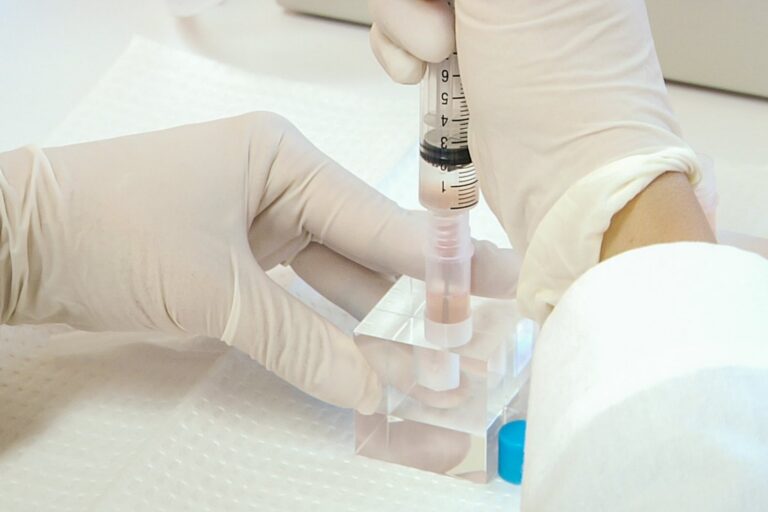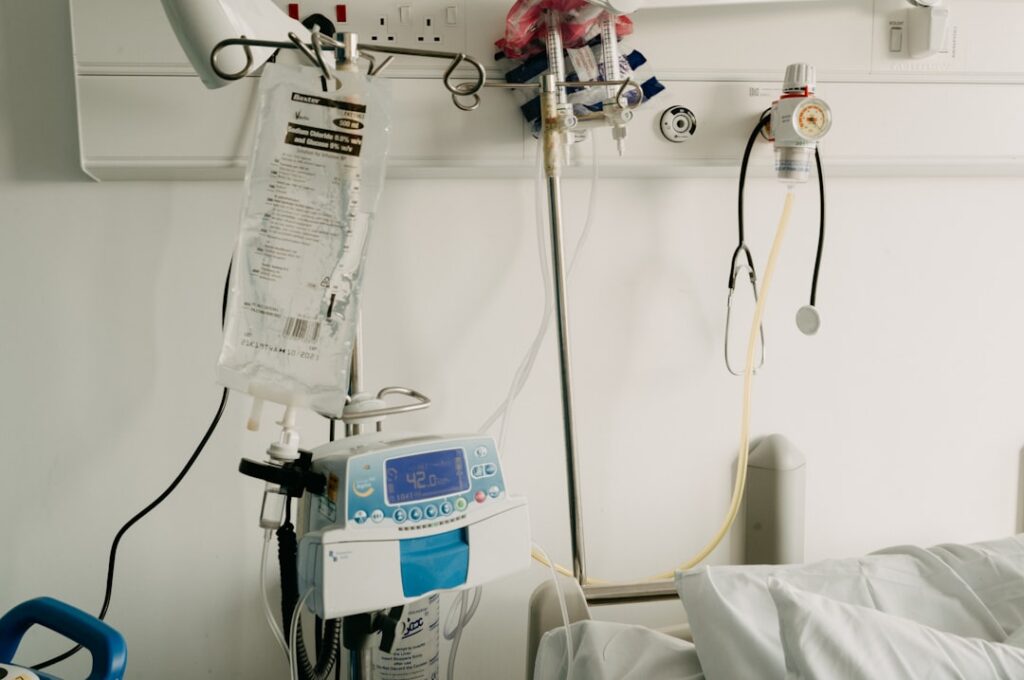
Major cancer centres in India routinely keep patients waiting three to four hours, and government hospitals are often the worst. Roche Pharma India is betting that a shorter treatment slot will ease some of that pressure. The company has brought a subcutaneous form of its immunotherapy Tecentriq (atezolizumab) to the country, a shot it is promoting as a seven-minute alternative to conventional infusion.
The Drugs Controller General of India has approved the injection for adjuvant and metastatic non-small cell lung cancer. It sells at a maximum retail price of about ₹3.7 lakh per dose.
Sivabalan Sivanesan, chief medical officer at Roche Pharma India, said the much shorter administration time “will help reduce patient and caregiver burden significantly” at overcrowded cancer centres across the country.
A big disease, a crowded system
Lung cancer ranks among the top three causes of cancer deaths in India. Nearly 80,000 patients are diagnosed each year, and almost half arrive at an advanced stage.
The subcutaneous version is not new to the world. Britain’s medicines regulator, the MHRA, cleared it first in 2023, and the US Food and Drug Administration followed in 2024. It is now approved in more than 85 markets, and over 10,000 patients worldwide have received it.
Who qualifies
Not everyone with lung cancer can use it. Tecentriq targets the PD-L1 receptor, which shows up in roughly 50 to 60 percent of lung cancer patients.
“If there are 100 patients, probably 50 would be eligible for this treatment,” said Sajjan Rajpurohit, director and head of medical oncology at Medanta.
On results, Rajpurohit pointed to global data showing it performs on par with the established IV version. Indian-specific data has yet to come in. “I’m assuming it should not be inferior, because it has been shown in global trials to be equally efficacious,” he said.
What it costs
Price is the obvious question. Rajpurohit said Tecentriq carries a premium of about Rs 25,000 to 30,000 over conventional treatment, but once hospital admission and administering charges are counted, the cost to the patient comes out similar.
Roche was wary of that kind of arithmetic. The company said duration and dosing vary widely by patient and stage of cancer, so a fixed total per cycle misrepresents what people actually spend. It pointed to patient access programmes meant to make the drug more affordable, including Blue Tree, which is built for patients who must stay on the medicine over time.
Tecentriq has also been enrolled under the Central Government Health Scheme, so government employees and pensioners covered by it can get the treatment.
Oncologists expect prices to fall. “Get the drug in India, work on the cost, and as time goes by, the cost will come down in various ways,” said Amit Rauthan, head of medical oncology at Manipal Hospital Bangalore. “We have seen this change with immunotherapy in the last decade, and I’m very happy, because once these things happen, more and more of our patients are accessing immunotherapy and we are seeing that every day.”
The queues at government institutions are partly a matter of staffing. Chemotherapy preparation and patient safety checks cannot easily be streamlined away, and that is why many patients are likely to choose the injection if they qualify.