
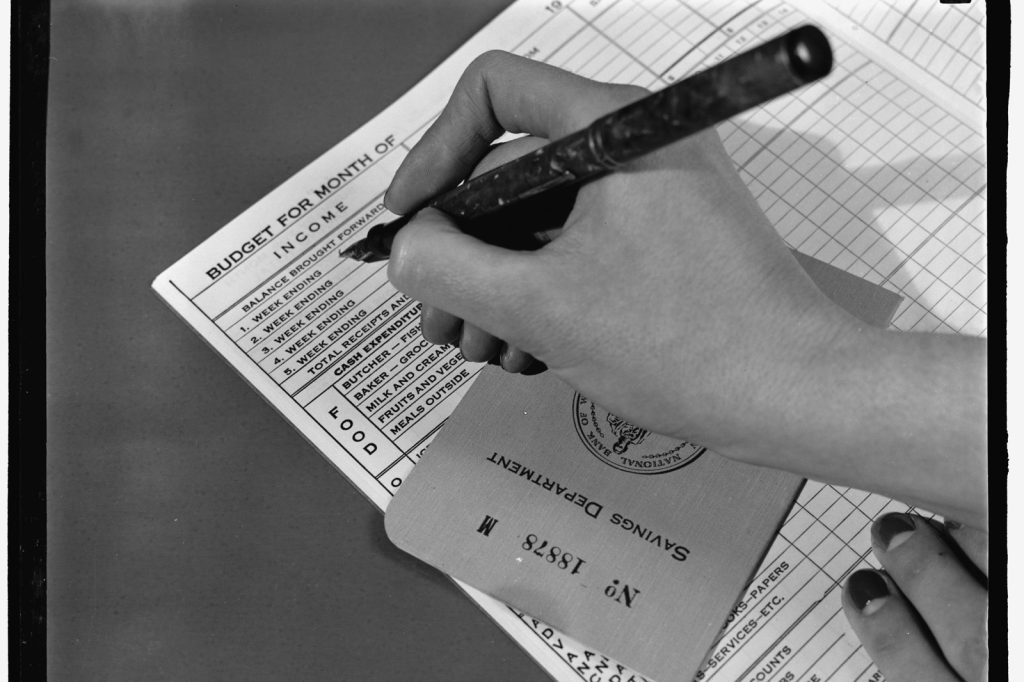
Everyone has done it. A last-minute holiday, a shopping spree before a big event, a friend who needed help paying rent, and suddenly the emergency fund is lighter than it should be. A recovery guide published by Business Standard says one slip like this does not wreck a financial plan. Ignoring it, or punishing yourself, does.
The guide opens with a line from David Hume, that reason is “the slave of the passions,” and argues that emotions will always find a way into a budget. Its remedy is a five-step plan built on gradual correction rather than guilt.
Start with an honest count
Step one is to work out exactly how much extra was spent and which bucket took the hit: monthly cash flow, emergency savings or investments. Check bank statements and card bills to see whether this was a one-off or a pattern that crept in. Do not assume next month will fix itself, and do not swing to the other extreme by stopping all discretionary spending or trying to claw everything back in thirty days.
Keep debt out of it
The biggest mistake, the guide says, is borrowing to keep the same lifestyle. Unpaid credit card balances can carry interest of 30 to 45 per cent a year once charges and penalties pile on. Personal loans look safer with their fixed monthly instalments, but they can tie a borrower to years of repayments for something that gave only brief satisfaction. NBFCs and instant-loan apps may charge more than 24 per cent a year to riskier borrowers. The deeper danger is behavioural. Once debt becomes the answer, future income keeps paying for past spending.
Rebuild quietly and automatically
To refill a drained emergency fund or investment account, the guide suggests a monthly automatic transfer for that purpose alone. Bonuses, tax refunds and freelance income should go into the affected account rather than into a bigger lifestyle. Trimming food delivery, shopping or subscriptions for a while frees cash without making life miserable, and short-term side income from freelancing or selling unused items can help. Keep the rebuilt savings in a separate account so they are not spent by accident.
Timing matters too. When the salary lands, money should move at once toward recurring deposits, SIPs, emergency fund contributions or goal-based accounts, with whatever is left available to spend. That takes willpower out of the equation.
Budget for fun
A plan has to be one you can live with. The guide recommends a separate discretionary bucket for travel, shopping, dining out and spur-of-the-moment plans, so spending inside those limits carries no guilt and does not dip into long-term goals.
To stop a repeat, it suggests creating friction: delete saved card details, impose a 24-hour wait before purchases, and automate investing right after salary credit. Asked how long a reset takes, the guide says it depends on the size of the overspend and whether debt was involved. For most people, a structured three to six-month plan with controlled spending and automated savings works better than recovering everything at once.




