A $700,000 Australian home loan will cost another $107 a month after the Reserve Bank’s latest increase. Across the five rises in 2026, Canstar calculates the additional monthly repayment at $532.
The Reserve Bank lifted its cash-rate target by 0.25 percentage points to 4.85 percent on Tuesday, the highest setting since 2008. More than 3.3 million households with mortgages face the consequences as lenders adjust variable rates.
The mechanics are familiar: a higher cash rate raises bank funding costs, which then feeds into mortgage pricing. The catch is that this fifth increase arrives while households are still absorbing the previous four.
A divided board
Six Monetary Policy Board members supported the move; three wanted to keep the rate at 4.60 percent. Earlier increases of 0.25 percentage point came in February, March, May and September.
Annual inflation was 4.0 percent in August and 4.3 percent in September, according to figures released on Oct. 28. The trimmed mean, a closely watched underlying measure, reached 3.6 percent after revision put its earlier reading at 3.5 percent. Both remain above the RBA’s 2-3 percent target.
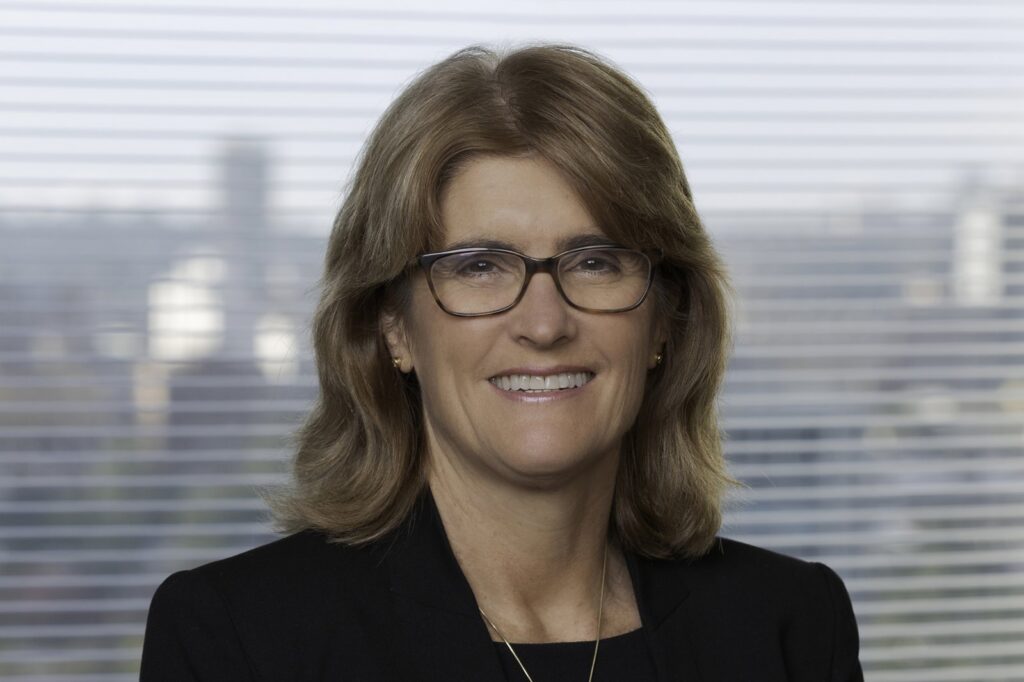
Governor Michele Bullock rejected the idea that the bank was responding mechanically to oil. “I want to be very clear, we are not tightening monetary policy because of the direct impact of oil prices on inflation,” she said. “Monetary policy cannot impact global oil prices.”
On closer reading, the board’s concern is broader. Domestic capacity pressures look stronger than previously estimated, and expensive fuel is increasingly flowing through to other goods and services. The unresolved Middle East conflict adds risks to both inflation and growth.
A longer return to target
The RBA expects inflation to stay elevated through much of 2027 and reach the top of its target band only late that year. Its forecast puts global oil prices lower over the coming 18 months, but still relatively high.
Bullock’s defence of tightening was blunt: “Some pain now will prevent even worse pain down the track.” She also said inflation needed to fall “and we will do what is necessary to achieve that”.
The bank’s baseline does not include a recession. It projects growth of 1.6% in 2026 and 1.3% in 2027, below estimated potential growth of about 2%. Unemployment, currently 4.7%, is forecast to finish next year near 4.9% and move above 5% in 2028, with employment continuing to grow.
The housing downturn is described as one of the steepest over the past 50 years. That is the other side of the policy trade-off: borrowing costs can suppress demand, but they also constrain buyers and squeeze indebted households and businesses.
December may bring a pause
The post-meeting statement omitted an explicit reference to further increases. Economists at houses including UBS read the language as “clearly dovish,” although that is an interpretation rather than a commitment to hold.
Bullock said the effects of the last two rises had not fully arrived. “It’s probably a good point to take stock for a minute and see what comes in in terms of the data to see if we’re travelling more or less in line with the forecast,” she told reporters.
She did not rule out another increase. The board’s final meeting of 2026 takes place in early December.
Sources
- Bitcoin Faces 3 Big Tests During the First Week of November
- RBA’s ugly outlook spells tough times for Australia’s economy
- Australian central bank raises interest rates to 18-year high
- RBA interest rate decision live: Millions hit with 18-year high as brutal 'ripple effect' to sweep Australia
- RBA interest rates: Bullock says ‘some pain now’ will prevent worse pain later as Reserve Bank hikes rates for fifth time
- Australia raises key rate to 4.85% — CNBC
Photo: Reserve Bank of Australia (CC BY 4.0)