
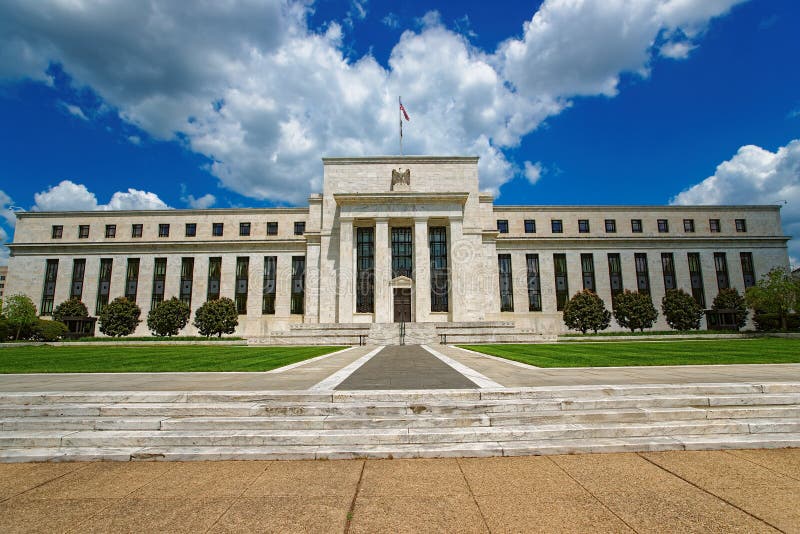
The Federal Reserve lifted its benchmark rate by a quarter-point on Wednesday, September 16, taking the target range to 3.75% to 4.00%. It was the first increase since the summer of 2023. Wall Street had seen it coming.
The bottom line for households: loans for homes, cars and other big purchases will likely cost more, and savings accounts should pay a little more.
Why the Fed moved
Inflation, plain and simple. Prices have run above the Fed’s 2% target now for over five years. In August, the Labor Department reported, consumer prices stood 3.4% higher than a year before, and the monthly gain quadrupled from July’s pace to reach 0.4%. Kevin Warsh, who has chaired the Fed since May, told Congress that policymakers “have no tolerance for persistently elevated inflation.” The central bank’s own projections put core PCE inflation at 3.4% at the end of 2026, a touch above the 3.3% pencilled in at the June meeting.
More is likely coming. Twelve officials expect one further hike this year, four expect two, and two see rates holding where they are. Warsh did not submit a forecast. Morgan Stanley now expects two more increases, with the next one in December.
Mortgages
Mortgage rates do not follow the Fed directly. They usually follow the 10-year Treasury yield, which topped 5% on the Monday before the decision for the first time since 2023. Worries about surging energy prices and swelling government debt drove it, and yields kept climbing even after Treasury Secretary Scott Bessent ordered bond buybacks to push them down. On decision day the 10-year slipped by nearly 5 basis points to 4.947%.
The 30-year fixed mortgage averaged 6.76% the week before, Freddie Mac said, and nothing had been higher for over 14 months. Existing-home sales fell for a third straight month in August. Adjustable-rate loans may rise, but many owners are sheltered: the National Association of Realtors says nearly half of outstanding mortgages carry a rate of 4% or lower, with close to a fifth at 3% or below.
Cards and cars
Credit cards react fast. Their variable rates follow the prime rate, which moves within a month of a Fed change. Matt Schulz of LendingTree expects most cardholders to see a quarter-point rise within a couple of months. By itself, he said, “a single quarter-point rate increase isn’t really going to have a huge impact.” Several hikes in a row would hurt more. In the second quarter card balances hit $1.26 trillion, close to the record $1.28 trillion from the end of 2025, the New York Fed reported.
The Fed reaches auto loans only indirectly, through prime. Kelley Blue Book put the average new-car price last month at $50,089. Edmunds put the average loan rate at 7% for new cars and 10.6% for used, and Experian found the average monthly payment was $765 in the second quarter.
Savers
Savers should gain, though the Fed does not set deposit rates; it “sets the tone,” Experian says. The average one-year CD paid 0.15% when the hiking cycle began in March 2022, 1.88% by September 2024, and 1.71% last month.
Sources
- Here's what the Fed's rate hike could mean for your mortgage, car loan and credit cards (AP, Anchorage Daily News)
- Here's what the Fed's rate hike could mean (AP), credit cards and autos
- Fed meeting updates: Warsh raises rates to 3.75%-4% (Hindustan Times)
- Here's what the Fed's rate hike could mean (AP), mortgages and savers




