
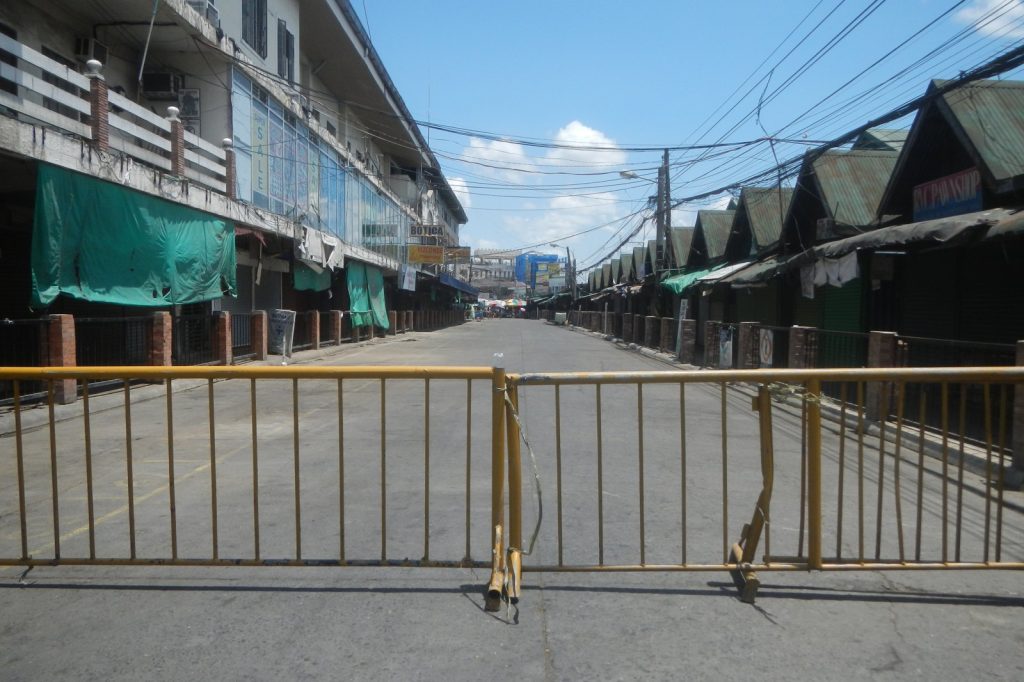
The word the government avoided all week turned out to be the right one after all. On 16 March 2020, President Rodrigo Duterte placed the whole of Luzon, Metro Manila included, under what Malacañang called an “enhanced community quarantine.” Philstar.com reported that the order followed Duterte’s approval, a few days earlier, of Code Red Sublevel 2 and a community quarantine for the capital region.
A new Palace memorandum set the terms. Mass gatherings were banned and households were told to stay home. Movement was to be limited to getting basic necessities, with food and essential health services regulated, and uniformed personnel would be more visible on the streets to enforce the rules.
What stayed open, and what did not
Only businesses selling necessities could keep their doors open: public markets, supermarkets, groceries, convenience stores, hospitals, clinics, pharmacies, water-refilling stations, food delivery, and plants making basic food and medicine. Power, water and telecommunications facilities were on the list too. Even these were to run on a skeleton workforce with social distancing.
Restaurants could deliver but not seat customers, Cabinet Secretary Karlo Nograles told a press conference. Export-oriented industries and business process outsourcing firms could keep operating if they housed their staff and kept distance. Accredited media were allowed to travel within the quarantine area. The executive branch moved to work from home, apart from the police, the military, the Coast Guard and frontline health and emergency services.
Mass public transport was suspended. Private vehicles were allowed only to get food and medicine, and only one person per family could go out to buy essentials. Companies or local governments could provide vehicles for employees who normally commuted. Outbound passengers had 72 hours from the declaration, until Thursday, 19 March, to travel. Inbound Filipino citizens and permanent resident visa holders could still enter, though they should expect quarantine procedures if coming from heavily affected countries.
Help for workers, a fight over a word
The memorandum told the labor, social welfare, finance, budget and trade departments to draw up programs for affected workers and businesses. It floated a moratorium on lease rentals, a pro-rated thirteenth-month pay advance, a reprieve on utility bills and assistance for micro, small and medium enterprises. The Department of Social Welfare and Development was asked to find ways to deliver food assistance across Luzon.
Earlier that Monday, Cabinet officials had actually proposed a total lockdown of Metro Manila, which they did not call an enhanced quarantine. Presidential spokesperson Salvador Panelo said the proposal would go to the Inter-Agency Task Force. A total lockdown, he explained, would close all establishments and suspend work and classes. He insisted that food supply would not be a worry: “We will not stop the entry of food supply.”
The Interior department had asked media to use “lockdown” sparingly, fearing panic. Undersecretary Jonathan Malaya said the term fits prisoners, and pointed to Wuhan, where citizens could not leave and highways were closed. Duterte had been blunter in his Thursday night address. “Ayaw naming gamitin ‘yan,” he said. “But there is a lockdown.”




