
The Philippines has only 4,500 testing kits. That number, from the Straits Times, explains why the country’s health secretary was so cautious when the government declared a public health emergency over the coronavirus in March 2020.
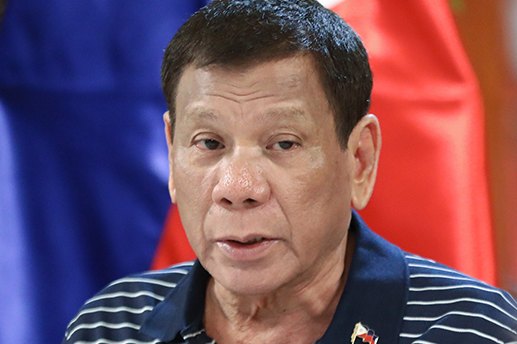
“The outbreak… constitutes an emergency that threatens national security, which requires a whole-of-government approach,” President Rodrigo Duterte said in the proclamation, released early on Monday. The South China Morning Post cites it as Presidential Proclamation 922. The declaration came amid growing anxiety that the virus was already spreading undetected in Manila and nearby suburbs. The country announced 10 more confirmed cases, bringing the total to 20.
Funds, kits and a shortage
Here is what the emergency does in practice. It releases funds to help local governments prepare for a massive community spread, and it eases the rules on buying testing kits, masks and other resources that public health workers may need.
Supply is the weak spot. The government expects 2,000 more kits from the World Health Organisation and is entertaining offers from China and South Korea. Health Secretary Francisco Duque said the perception among politicians that his ministry was not doing enough “is largely because of our limited testing supplies.” “As soon as we get more, then we will be able to expand our coverage of who will be tested,” he said.
Health assistant secretary Rosario Vergeire said “intensified surveillance” was why the country saw a spike of 15 new infections over four days.
Alert levels and the lockdown question
On the previous Saturday, the Health Ministry raised its alert to “code red sub level 1,” the second-highest level, after confirming local transmission. Hours later it disclosed four more patients in Manila hospitals. Duque called that move “a pre-emptive call to ensure that national and local governments and public and private healthcare providers are prepared for a possible increase in suspected and confirmed cases.”
“Moving from localised transmission to sustained community transmission can happen very quickly,” he said shortly after the emergency was declared.
If the country faces multiple community spreads, the alert would go to “code red sub level 2,” the highest. That would allow the government to quarantine or lock down entire communities and suspend school and work. Duque insisted a lockdown was “premature.”
That did not last long. Within days Duterte announced travel restrictions and a community quarantine for Metro Manila, on the recommendation of the Inter-agency Task Force. By then the Philippines had 52 confirmed cases and five deaths, according to Primer. Stringent social distancing measures in the National Capital Region were to apply for 30 days, with classes suspended in Metro Manila until April 12 and mass gatherings banned. Land, domestic air and domestic sea travel to and from Metro Manila was suspended from March 15 to April 14, 2020. Executive branch work was suspended, though health and emergency frontline services kept running.
Sources
- Philippines declares health emergency as virus cases climb
- Duterte Announces Travel Restrictions and Community Quarantine in Metro Manila Amid COVID-19 Threats
- Philippines declares public health emergency, tells people not to touch Duterte




