
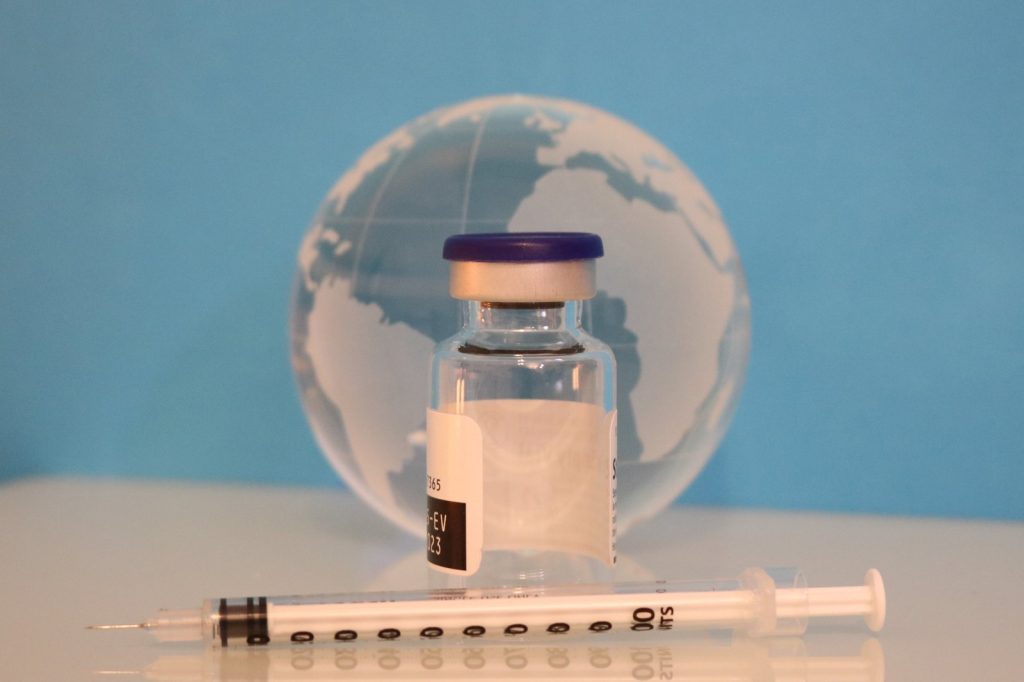
“When we started testing this molecule as a vaccine component, we honestly didn’t know if it would work,” said Arran Stewart, a research associate at Scripps Research and first author of a new study on a fentanyl vaccine.
It did work, in mice at least. The Scripps team reported in the Journal of Medicinal Chemistry that their experimental vaccine trained the immune system to recognize fentanyl and a wide range of its “designer drug” relatives, versions that makers tweak to raise potency or slip past detection and regulation.
The stakes are plain. Each year fentanyl and related synthetic opioids cause more deaths than car crashes and gun violence combined. In high doses they suppress the signals that control breathing. Medicines exist that reverse an overdose, but they have to be given quickly.
Doing the opposite
Vaccines aimed at drugs have been tried for years. They prompt antibodies that grab the drug in the blood before it can affect the brain, and Kim Janda’s lab at Scripps has built candidates for both fentanyl and heroin. Most designs use the drug itself or a close lookalike. That brings two headaches: the drugs are tightly regulated, which makes the work harder, and the immune response is usually so specific that it recognizes only the exact drug in the vaccine.
“The way the fentanyl landscape is evolving, the black-market drug makers are constantly coming up with new versions to skirt regulations and avoid detection in standard screenings,” Janda said. “We need countermeasures that are going to work against all these future variants at once, not just one at a time.”
Janda’s team had earlier made a modified form of fentanyl that kept its pain relief but lost many harmful side effects. For this study they asked whether a related molecule could anchor a vaccine. It shared some features with fentanyl but had a very different core structure. “The conventional wisdom says that to get the immune system to recognize fentanyl, you have to use something that looks like fentanyl,” Stewart said. “We were doing the opposite.”
They bound the molecule to a carrier protein and gave mice four doses across eight weeks.
What the mice showed
The results surprised the researchers. The immune system did not need an exact match. It produced antibodies aimed at a broader molecular signature common to many fentanyl-related compounds.
Those antibodies strongly recognized fentanyl, carfentanil, China White, acetylfentanyl and furanylfentanyl. They ignored morphine, oxycodone, remifentanil and alfentanil, all used in medicine. Vaccinated mice kept near-normal breathing after fentanyl doses that would typically cause severe respiratory depression, and brain fentanyl levels in those mice ran about 70 percent lower than in unvaccinated mice.
No human has received it yet. Clinical trials must show whether it is safe and effective. Janda still sees the platform eventually protecting people in recovery programs and others at high risk of exposure. “The public health potential here is significant,” he said. “But so is the lesson that we can design vaccines that recognize an entire drug class, not just a singular drug.”
The paper, “Redefining Drug Immune Recognition: A Radically Reconfigured Molecular Architecture Enables Broad Fentanyl-Class Protection,” lists Janda, Stewart, Lisa Eubanks, Bin Zhou and Rachel Steinhardt, all of Scripps. The Shadek Family Foundation supported the work.




