
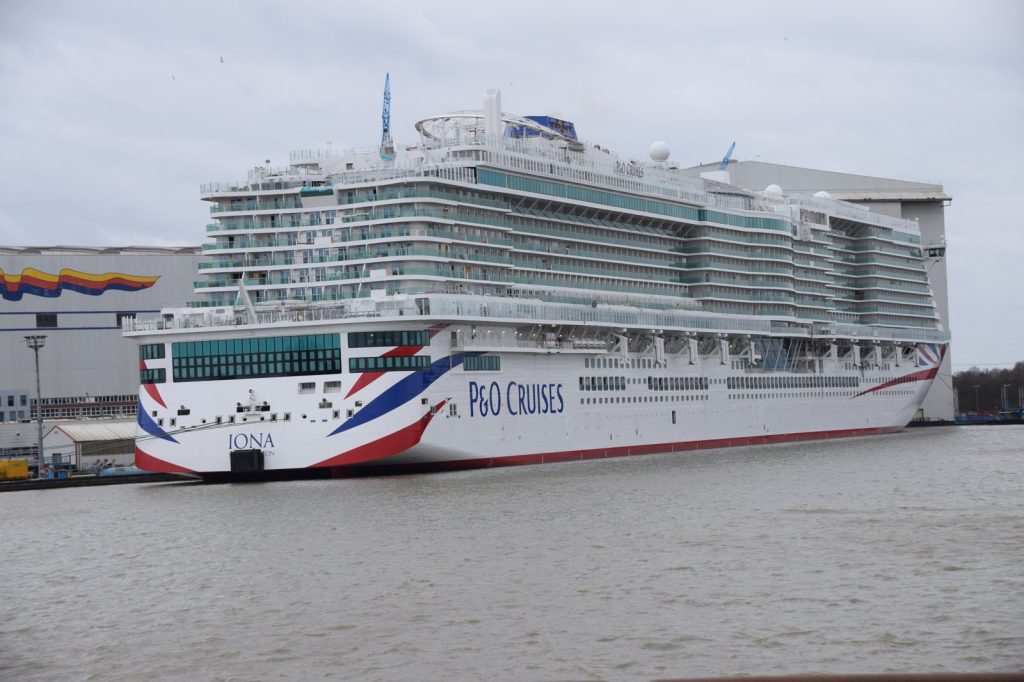
In Belgium, a norovirus outbreak has unfolded on the MS Iona cruise ship, impacting a considerable number of passengers. Dr. Maria Rodriguez, a distinguished gastrointestinal health expert, affirms that norovirus is the predominant cause of gastroenteritis, and its contagious nature makes it a major concern in confined settings like cruise ships.
Known also as the Norwalk virus, norovirus is characterized by non-bloody diarrhea, vomiting, and abdominal pain, with fever or headaches occasionally occurring. Dr. Rodriguez explains that symptoms typically emerge 24 hours post-exposure, with recovery usually taking one to three days. However, complications such as dehydration may arise, particularly in susceptible groups including children, the elderly, and individuals with pre-existing health issues.
Understanding Norovirus Transmission and Prevention
Norovirus is primarily transmitted through the fecal-oral route, which can occur via contaminated food, water, person-to-person contact, or surfaces. Dr. John Taylor, an epidemiologist, points out that the virus may also spread via air from the vomit of infected individuals.
Given the highly contagious nature of norovirus, stringent hygiene practices and comprehensive cleaning protocols are essential in curbing its propagation. Cruise ships, in particular, must adhere to stringent sanitation standards to minimize the risk of outbreaks. Dr. Kathryn Jacobs underscores the importance of swift reporting and response to norovirus outbreaks, as prompt action can significantly reduce the number of cases and prevent further spread. She underscores the significance of advanced diagnostic technologies in swiftly identifying the origin of the outbreak and implementing targeted control measures.
As research progresses, there is optimism that more effective treatments and prevention strategies will emerge to combat norovirus and other gastrointestinal illnesses. Experts like Dr. Rodriguez are dedicated to enhancing our understanding of norovirus and developing innovative solutions to prevent and treat the infection.
Utilizing cutting-edge technologies, such as genetic sequencing and machine learning, researchers are gaining valuable insights into the virus’s behavior and transmission patterns. These advancements hold great promise for the development of more effective outbreak response strategies and, ultimately, the reduction of norovirus-related illnesses. As the situation on the MS Iona cruise ship unfolds, health authorities and cruise operators are working in unison to contain the outbreak and ensure the well-being of all passengers.
Dr. Taylor emphasizes that the key to averting similar outbreaks in the future lies in sustained investment in research and development, as well as rigorous adherence to evidence-based guidelines and protocols. By harnessing the power of science and technology, we can create healthier, safer environments for everyone.
Dr. Jacobs expresses optimism about the potential for future breakthroughs in norovirus research, citing the significant strides made in recent years. She encourages continued collaboration between researchers, healthcare professionals, and industry stakeholders to drive innovation and improve public health outcomes. As our comprehension of norovirus and its transmission continues to evolve, there is growing hope that we can develop more effective strategies to prevent and treat this debilitating illness.
It is advisable to consult your doctor for medical advice.




