
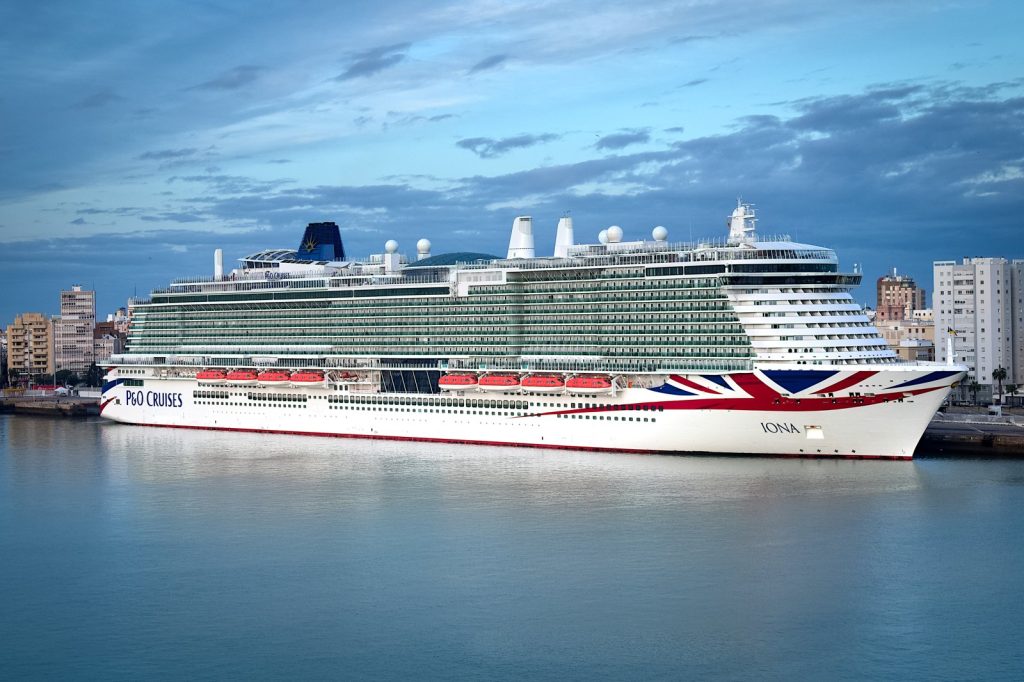
A norovirus outbreak aboard the MS Iona cruise ship in Belgium has created a critical situation for hundreds of passengers, particularly those most susceptible to severe complications. The virus strikes rapidly, with symptoms including non-bloody diarrhea, vomiting, and abdominal pain emerging within 24 hours of exposure. While healthy adults typically recover within one to three days, young children, elderly individuals, and people with underlying health conditions face heightened risks of dehydration.
Medical personnel on the ship must act quickly to identify warning signs such as dry mouth, dizziness, and dark urine before a passenger’s condition deteriorates. The vessel’s infirmary likely possesses limited supplies of intravenous fluids and monitoring equipment.
If the number of cases increases, crew members may need to arrange transfers to hospitals on shore in Belgium. Norovirus spreads through the fecal-oral route, meaning contaminated food, water, surfaces, and direct person-to-person contact can transmit the infection. Additionally, airborne particles from vomit can carry the virus. These transmission methods make enclosed environments like the MS Iona particularly vulnerable to rapid spread.
A single infected passenger touching a handrail can initiate a chain of transmission as others touch the same surface. Sanitation procedures are under intense scrutiny.
Cruise ships must adhere to strict cleaning standards to contain outbreaks, but norovirus presents unique challenges. The pathogen can survive on surfaces for days, and standard disinfectants may prove ineffective. Crew members have likely switched to bleach-based cleaning solutions and isolated symptomatic passengers in their cabins.
Belgian port health authorities are monitoring the situation closely. The MS Iona’s upcoming itinerary may change if the outbreak persists.
The incident adds to public scrutiny of the cruise industry, which has faced criticism following previous norovirus outbreaks. Despite data showing most voyages remain free of illness, such events reinforce perceptions of ships as high-risk environments. For passengers currently on board, daily life has become difficult.
Meals pose a risk, common areas feel unsafe, and families with young children or elderly relatives face difficult choices about whether to remain in their cabins. Crew members, already stretched by increased cleaning duties and patient care, must also protect themselves from infection.
One infected staff member could spread the virus to dozens of others. Most people recover from norovirus within three days, but the ship’s schedule may not accommodate this timeline. If a quarantine period becomes necessary, the MS Iona could remain idle in port while passengers recuperate, leading to missed destinations, refunds, and frustrated travelers.
Norovirus, also known as Norwalk virus, is the most common cause of gastroenteritis and remains highly contagious. The next 48 hours will determine whether the crew’s response effectively curbs the spread or whether the ship must function as a floating hospital until the outbreak subsides.




