
A brown skua lying on the coast near Esperance, Western Australia, ended the last continental holdout against bird flu. On June 20, 2026, the suspected case of highly pathogenic avian influenza H5N1 was confirmed in the large seabird, found in Cape Le Grand National Park about 700 kilometers (430 miles) southeast of Perth. A southern giant petrel from the same area is also suspected of carrying the virus.
Samples went to the CSIRO, which confirmed the first Australian cases of the clade 2.3.4.4b lineage. With that, H5N1 has reached all seven continents.
How the virus got here
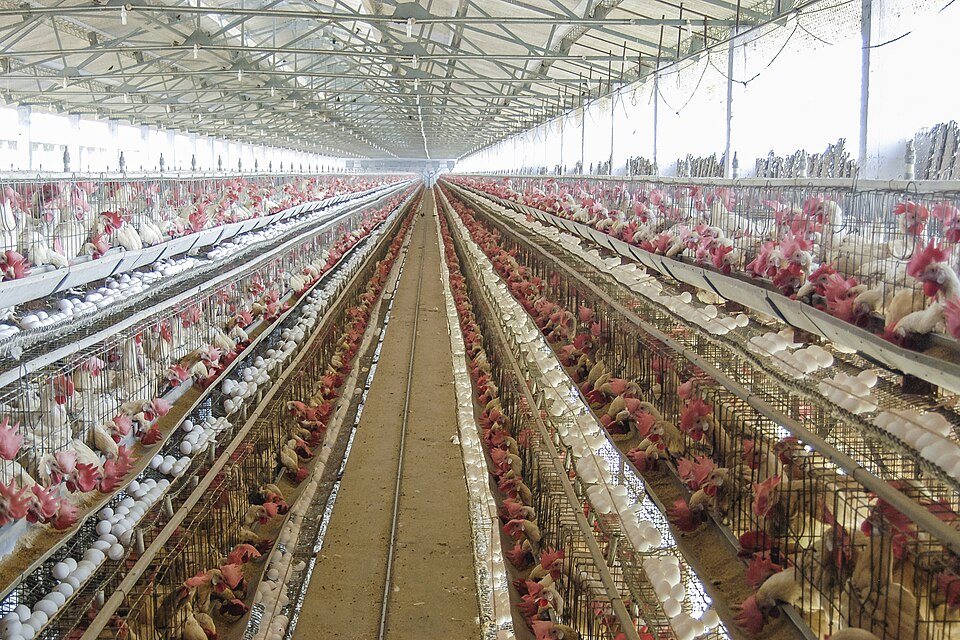
Avian influenza viruses have circulated for millennia and mostly cause no disease in birds. In 1996 one evolved into a disease-causing form, and it became endemic in poultry. Chickens make up about 70% of all birds worldwide, which gives the virus a huge reservoir in which to keep changing, wrote Marcel Klaassen of Deakin University, Meagan Dewar of Federation University Australia and Michelle Wille of the University of Melbourne.
Since 2021 the virus has killed millions of wild birds and spread into wild and domestic mammals, seals among the hardest hit. It has turned up in more than 400 bird species. In 2022, 33 to 47% of all adult northern gannets died of it. On subantarctic Heard Island, 13,000 baby southern elephant seals died during the 2025-26 summer.
It moves by feces, direct contact, aerosols and scavenging. Dabbling ducks help carry it across the Northern Hemisphere, because they show few signs of illness and keep migrating while infected.
That is part of why Australia was spared for so long. No duck species routinely migrate between Australia and Asia, or through Antarctica. The virus still reached Antarctica in the summer of 2023-24 and moved thousands of kilometers through the subantarctic the next summer. Gulls, skuas and giant petrels may have carried it, the researchers said.
What came next
By early August the picture had darkened. A second Conversation article reported that H5N1 had been detected in 78 wild birds across mainland Australia. Authorities confirmed the first mass death from the virus, among dozens of greater crested terns off South Australia’s south-east coast, and were testing a cluster of sick and dead terns in south-west Victoria.
Researchers at the Universidad Nacional del Comahue in Argentina and Deakin University warned of the risk to marine mammals. In South America, at least 30,000 sea lions died in Peru, Chile, Argentina, Uruguay and Brazil after the virus passed from seabirds into colonies in late 2022. Some breeding colonies lost up to one third of their population in a single season. More than 17,000 elephant seal pups died at Península Valdés in Argentina.
The virus has not yet reached Australia’s pinniped colonies. They suggest starting at Kangaroo Island, where infected seabirds have been found near breeding habitat of the endangered Australian sea lion. The rare Burrunan dolphin, with fewer than 200 animals in Victoria’s Port Phillip Bay and Gippsland regions, may also be vulnerable.
The authors urge regular population counts, removal of carcasses near tourist areas and strict biosecurity for anyone handling sick wildlife. The risk of human infection currently remains low, they wrote. Suspected cases go to the Emergency Animal Disease Hotline on 1800 675 888.
Sources
- H5N1 bird flu has now spread to all 7 continents
- Bird flu decimated South America’s marine mammals. What can Australia do differently?




